
Building Emotional Intelligence: The Transformative Power of Social-Emotional Learning in Schools
The Essential Role of Social-Emotional Learning in Modern Classrooms
Education has long been defined by the pursuit of academic excellence, focusing heavily on core subjects like mathematics, literacy, and the natural sciences. However, as the complexities of the 21st-century world continue to evolve, there is a growing consensus among educators, psychologists, and parents that schools must look beyond test scores. Social-Emotional Learning (SEL) has emerged as a cornerstone of modern pedagogy, providing the framework through which students develop the essential life skills needed to navigate personal and interpersonal challenges successfully.
At its core, Social-Emotional Learning is the process through which children and adults acquire and apply the knowledge, skills, and attitudes to develop healthy identities, manage emotions, achieve personal and collective goals, feel and show empathy for others, establish and maintain supportive relationships, and make responsible and caring decisions. When integrated intentionally into the school curriculum, SEL serves as a catalyst for both academic performance and holistic character development.
Understanding the Five Core Competencies of SEL
To effectively implement social-emotional learning, it is helpful to understand the five core competencies established by leading educational research organizations. These competencies provide a roadmap for teachers to guide students toward self-awareness and social responsibility.
1. Self-Awareness
Self-awareness is the foundational building block of emotional intelligence. It involves the ability to accurately recognize one’s emotions and thoughts and their influence on behavior. In a classroom setting, this means helping students identify their strengths and weaknesses, develop a sense of confidence, and understand their own triggers. When a student can pause and reflect on why they are feeling frustrated or overwhelmed, they are significantly better equipped to choose a constructive way to respond rather than reacting impulsively.
2. Self-Management
Once a student can recognize their emotions, they must learn to manage them. Self-management includes the ability to regulate emotions, thoughts, and behaviors in different situations. This encompasses stress management, self-discipline, and the motivation to work toward personal and academic goals. Students who develop strong self-management skills are more resilient, showing an increased capacity to persist through difficult assignments or social conflicts.
3. Social Awareness
Social awareness is the ability to take the perspective of and empathize with others from diverse backgrounds and cultures. It involves understanding social and ethical norms for behavior and recognizing family, school, and community resources and supports. By fostering social awareness, schools create inclusive environments where students learn to value differing viewpoints, which is an essential skill in our increasingly interconnected global society.
4. Relationship Skills
Learning how to establish and maintain healthy and supportive relationships is perhaps the most visible output of SEL. This competency involves communicating clearly, listening well, cooperating with others, resisting inappropriate social pressure, and seeking or offering help when needed. These are the skills that define successful teamwork, both in the classroom and in future professional environments.
5. Responsible Decision-Making
The ability to make constructive choices about personal behavior and social interactions is critical for long-term success. This involves considering ethical standards, safety concerns, and social norms. By encouraging students to evaluate the consequences of their actions on themselves and others, teachers empower them to take ownership of their lives and contributions to the school community.
The Direct Impact of SEL on Academic Success
A common misconception is that time spent on social-emotional learning takes away from “serious” academic instruction. In reality, the opposite is true. Research consistently shows that students who participate in high-quality SEL programs perform better academically than those who do not. This is because emotional stability is directly linked to cognitive function.
When a student is experiencing high levels of stress, anxiety, or social isolation, their brain is in a state of “fight or flight,” which inhibits the ability to focus, memorize, and think critically. By creating a safe, supportive classroom culture where students feel seen and heard, teachers lower the emotional barriers to learning. When students feel psychologically safe, their brains are primed to engage with complex material, participate in discussions, and solve problems creatively.
Creating a School Culture That Prioritizes Wellness
The integration of SEL should not be viewed as a one-off lesson or a singular workshop. Instead, it must be embedded into the fabric of the entire school day. This requires a systemic approach that involves school administrators, teaching staff, and, crucially, the parents and guardians at home.
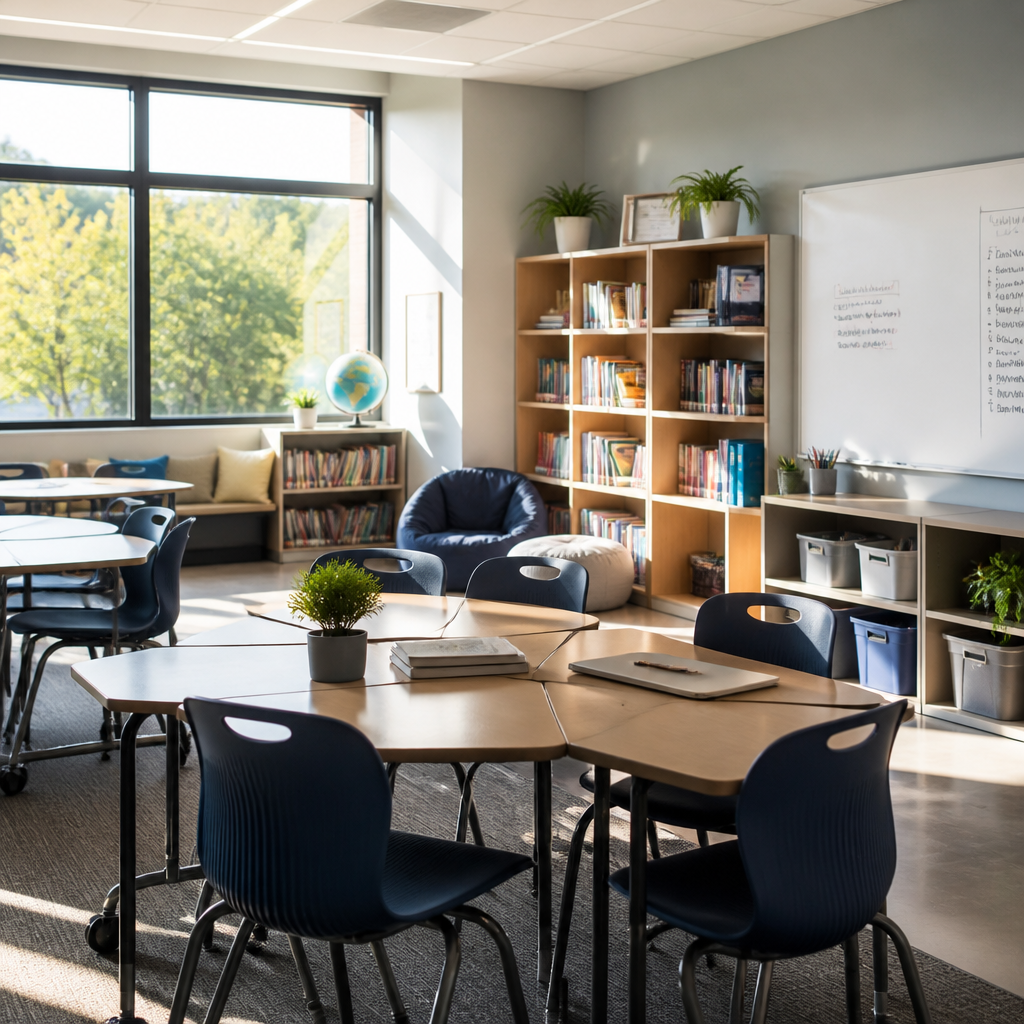
School management plays a vital role in setting the tone for wellness. When leaders prioritize mental health resources, invest in teacher training for SEL methodologies, and create physical spaces that encourage mindfulness and reflection, the entire school culture shifts. This culture is characterized by respect, high expectations for character, and a shared commitment to growth.
Strategies for Teachers in the Classroom
- Morning Meetings: Dedicating time at the start of the day for check-ins creates a sense of community and allows students to voice their needs or concerns before academic tasks begin.
- Mindful Moments: Implementing brief breathing exercises or moments of silence helps reset the classroom environment and improves student focus.
- Collaborative Problem Solving: Instead of imposing top-down discipline, teachers can facilitate discussions where students help define the rules and consequences, fostering a sense of shared responsibility.
- Empathy Building: Utilizing literature and historical case studies to explore diverse perspectives encourages students to step outside their own experiences.
The Role of Parents in Supporting Social-Emotional Growth
The partnership between home and school is critical to the success of SEL. Parents are the first teachers of emotional intelligence. When schools and parents share a common language regarding emotional regulation and conflict resolution, children receive consistent reinforcement of these essential skills.
Parents can support this process by creating an environment at home that values open communication about feelings. Rather than dismissing a child’s frustration, parents can model empathetic listening and guide their children toward naming their emotions. Simple practices, such as discussing a conflict that occurred during the school day or asking reflective questions about how a child handled a tough situation, go a long way in reinforcing what is being taught in the classroom.
Preparing Students for a Changing Future
As we look toward the future, the job market and the world at large are increasingly prioritizing “soft skills” over rote technical knowledge. AI and automation are rapidly changing the landscape of employment, making human-centric skills like empathy, collaboration, adaptability, and ethical judgment more valuable than ever. By prioritizing social-emotional learning today, we are not just helping students get through the school year; we are preparing them to thrive in an unpredictable future.
In conclusion, social-emotional learning is not a trend or an optional supplement to traditional education. It is an essential component of human development. By investing in the emotional and social growth of our students, we create classrooms that are not only more effective but also more humane. We cultivate a generation of learners who are resilient, self-aware, and ready to make meaningful contributions to the world.
Ultimately, the goal of every school should be to graduate students who are not only academically proficient but also emotionally intelligent citizens. When we treat the heart and the mind as equally important, we unlock the full potential of every student, setting the foundation for a lifetime of success and personal fulfillment.
0 Comments