
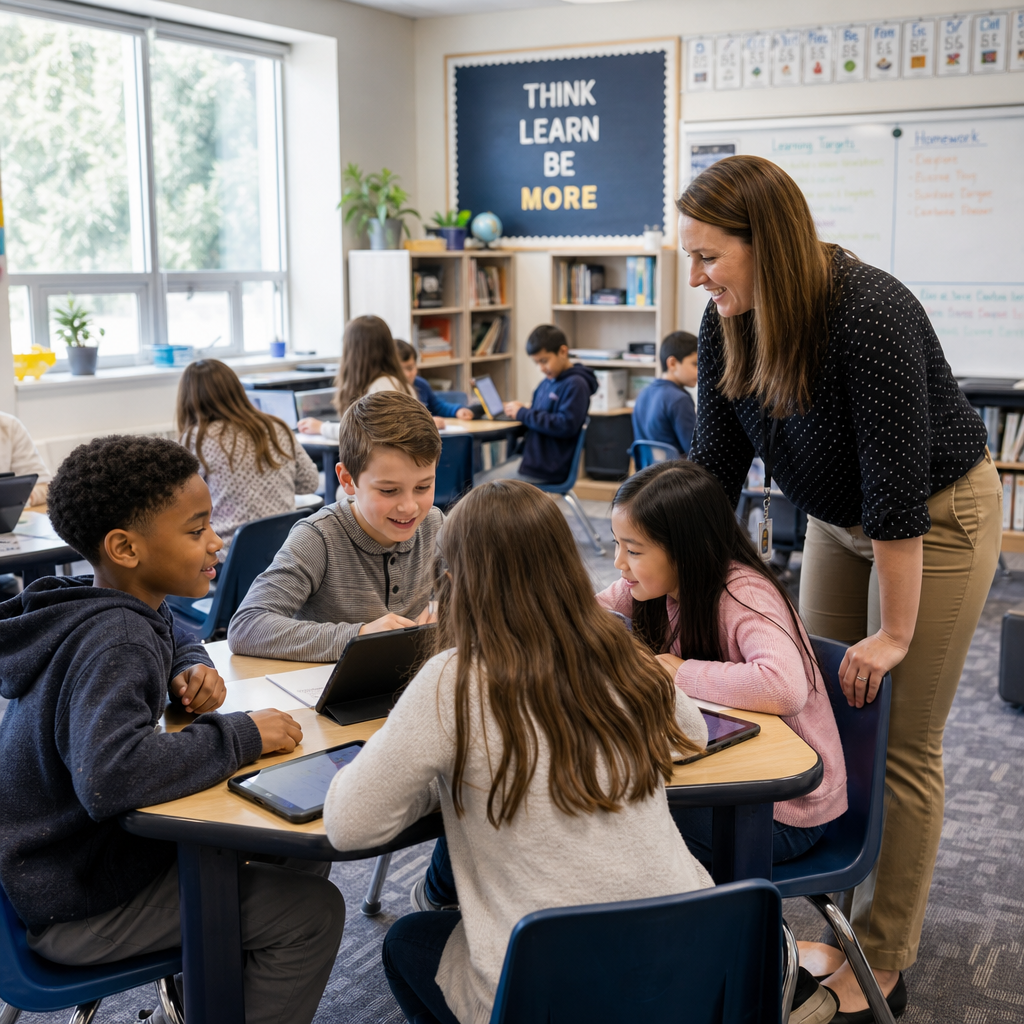
Cultivating Potential: The Power of Personalized Learning Pathways in Modern Schools
The Vital Role of Personalized Learning Pathways in Modern Education
In the evolving landscape of 21st-century education, the traditional “one-size-fits-all” approach is increasingly being scrutinized for its inability to meet the diverse needs of modern students. As classrooms become more heterogeneous, educators are shifting their focus toward personalized learning pathways. This pedagogical strategy places the individual student at the center of the educational experience, tailoring instruction, content, and pacing to match each learner’s unique strengths, interests, and academic requirements.
Personalized learning is not merely about digitizing textbooks or providing tablets to students; it is a fundamental redesign of the learning process. It requires a deep understanding of student data, a flexible curriculum, and a shift in the teacher’s role from a primary source of information to a facilitator of knowledge. When schools successfully implement these pathways, they observe higher levels of student engagement, improved mastery of complex subjects, and a more positive school culture overall.
Understanding the Core Components of Personalization
To effectively transition to a personalized learning environment, schools must focus on three primary components: learner agency, competency-based progression, and data-driven instruction. Learner agency empowers students to take ownership of their education. By providing students with choices regarding how they learn and how they demonstrate their understanding, educators foster intrinsic motivation and accountability.
Competency-based progression is equally critical. In this model, students move forward only when they have demonstrated mastery of a specific skill or concept, rather than advancing based on seat time or chronological age. This approach ensures that gaps in fundamental knowledge are addressed before a student encounters more advanced material, preventing the frustration and discouragement that often accompany traditional grade-level movement.
Finally, data-driven instruction acts as the backbone of the system. Teachers rely on real-time feedback from formative assessments to adjust their pedagogical strategies. By analyzing trends in student performance, educators can identify exactly where a student is struggling and provide targeted interventions rather than relying on periodic summative tests that occur after a learning opportunity has already passed.
The Impact of Technology on Student Agency
While technology is not the only driver of personalization, it acts as a powerful enabler. Digital learning platforms provide students with the ability to work at their own pace, offering adaptive software that adjusts the difficulty of problems based on the student’s previous answers. This immediate feedback loop is essential for building confidence and resilience in learners who might otherwise feel overwhelmed by classroom pacing.
Furthermore, technology allows for a greater variety of learning modalities. Students who learn best through visual aids, interactive simulations, or project-based collaborative tools can engage with curriculum content in ways that align with their cognitive strengths. This inclusivity is vital for supporting students with learning disabilities, English language learners, and those who may have experienced academic disengagement due to rigid classroom structures.
Building a Collaborative Environment
Personalized learning does not mean that students work in isolation. In fact, many successful models emphasize the importance of collaborative work alongside independent study. When students have autonomy over their individual learning paths, they are often more willing to collaborate with peers, sharing their unique perspectives and knowledge to solve complex problems. Teachers can organize small, flexible groups based on current learning needs, allowing for peer-to-peer tutoring and social-emotional development.
Overcoming Challenges in Implementation
Implementing personalized learning is a significant institutional undertaking. It requires professional development, infrastructure investment, and, most importantly, a change in mindset among all stakeholders. Teachers may feel intimidated by the transition away from traditional lecturing, fearing a loss of control or an increase in workload. School leadership must support educators by providing time for planning, collaborative curriculum design, and the necessary training to effectively manage diverse learning trajectories.
Another challenge lies in parent communication. For many parents, the traditional school model is the only one they have ever known. It is essential for schools to be transparent about the goals of personalized learning, explaining how it benefits their children through improved academic outcomes and increased college and career readiness. Engaging parents in the process helps build community trust and encourages support for these innovative approaches at home.
The Long-Term Benefits for Student Development
The ultimate goal of education is to prepare students for a rapidly changing world. By fostering autonomy, critical thinking, and a growth mindset, personalized learning pathways prepare students far better than rote memorization ever could. When students practice goal-setting, reflect on their progress, and advocate for their own learning needs, they develop the soft skills necessary for professional success in the 21st-century workforce.
Furthermore, personalized learning helps reduce the stress and burnout associated with high-pressure, standardized testing environments. When students feel that their efforts are recognized and that they have a clear, attainable path toward mastery, their mental well-being improves. They are more likely to view failure as a natural part of the learning process rather than a reflection of their personal intelligence, which fosters the persistence required for lifelong learning.
Future-Proofing Education
As the global educational landscape continues to shift, the institutions that embrace flexibility will undoubtedly see the most significant improvements in student outcomes. The focus should remain on the student as a whole person—addressing their academic, social, and emotional needs through intentional, data-informed design. Schools that commit to these pathways are not just teaching curriculum; they are teaching students how to learn, how to adapt, and how to succeed in an unpredictable future.
In summary, the transition toward personalization represents a necessary evolution in our understanding of human development. By moving away from rigid, standardized systems and toward flexible, student-centered pathways, we create more equitable, effective, and empowering learning experiences for all. The commitment required to make this shift is significant, but the long-term impact on student growth and achievement is profound.
Conclusion
Personalized learning pathways offer a compelling vision for the future of education. By prioritizing the individual needs of every student, leveraging data effectively, and fostering a culture of agency and competency, schools can unlock the potential of all learners. As we look ahead, the integration of these practices will remain a critical metric for school effectiveness, student engagement, and the overall health of our educational systems. Embracing change today ensures that students are equipped with the skills and confidence to thrive tomorrow.
0 Comments