
Modern Pedagogical Strategies: Preparing Students for a Changing World
The Evolution of Modern Pedagogical Approaches
The landscape of education is undergoing a profound transformation. As we move further into the 21st century, the traditional “chalk and talk” model of schooling is increasingly being challenged by more dynamic, student-centered pedagogies. Educators and school administrators are recognizing that in an era defined by rapid technological advancement and instant access to information, the role of the teacher must shift from being the primary source of knowledge to a facilitator of learning. This paradigm shift requires a deep understanding of how students learn best and what skills are truly necessary for success in a complex, interconnected global economy.
Central to this evolution is the movement toward personalized learning, where instruction is tailored to the individual needs, interests, and learning paces of every student. While the industrial model of education—which standardized curriculum and assessment—served its purpose during the 20th century, modern educational theory emphasizes the uniqueness of every learner. By leveraging data and adaptive learning technologies, teachers can create environments that support students who are struggling while simultaneously providing enrichment for those who are ready to advance further.
Cultivating Critical Thinking in the Classroom
One of the most important goals of modern schooling is the development of critical thinking skills. It is no longer sufficient for students to memorize facts or replicate procedures; they must learn to analyze information, evaluate evidence, and construct logical arguments. This requirement is driven by the rise of digital media, where students are inundated with vast amounts of information and must learn to navigate through misinformation and bias. Cultivating these skills requires a classroom culture that encourages questioning and intellectual curiosity.
Effective teachers achieve this by integrating problem-based learning into their curriculum. Instead of focusing solely on lectures, students are presented with real-world problems that require research, collaboration, and creative problem-solving. This approach not only makes the material more relevant to their lives but also forces them to apply their knowledge in practical, meaningful ways. When students understand the “why” behind what they are learning, their engagement increases, leading to better retention and a deeper mastery of complex concepts.
The Role of Collaborative Learning
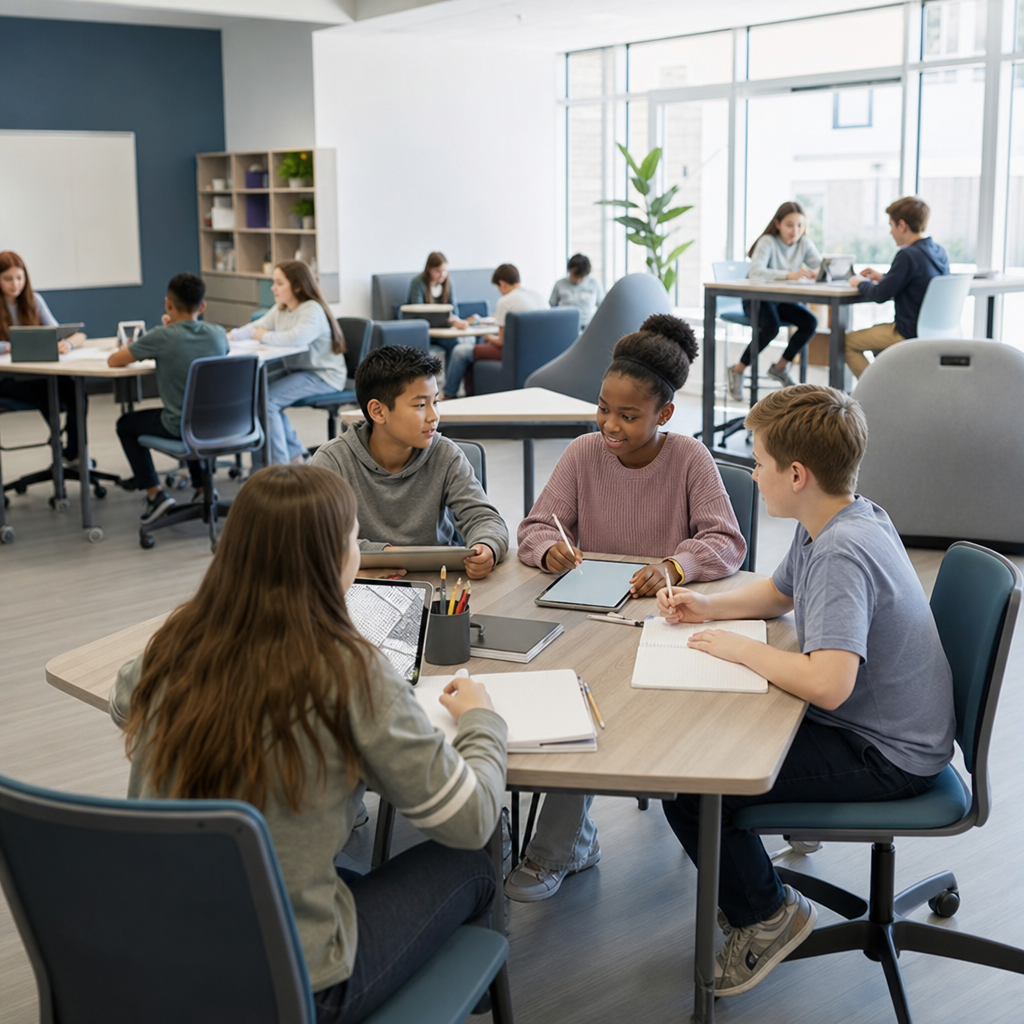
Collaboration is another essential pillar of contemporary education. In the workforce, success rarely happens in isolation; it is the result of effective teamwork, communication, and negotiation. Schools are increasingly structured to mirror this reality. Group projects, peer-to-peer tutoring, and collaborative inquiry allow students to learn from one another, articulate their ideas, and reconcile different perspectives. By working together, students develop the soft skills that are essential for their future careers, including empathy, patience, and effective conflict resolution.
Leveraging Technology for Deeper Engagement
The integration of technology into the classroom is a subject of much debate, yet its potential to enhance the educational experience is undeniable. When used intentionally, technology is not merely a tool for digital delivery of textbooks; it is a catalyst for new forms of learning. For instance, simulation software can allow biology students to conduct experiments that would be too dangerous or costly in a physical lab, while language learners can connect with native speakers across the globe for real-time conversation practice.
However, technology must always be viewed as a support mechanism, not a replacement for pedagogical expertise. The most successful schools are those that implement technology strategically, focusing on how digital tools can enhance the human connection between teachers and students. Furthermore, schools have a critical responsibility to teach digital citizenship, ensuring that students understand the ethical implications of their online behavior and the importance of cybersecurity in an increasingly digitized world.
The Critical Partnership Between School and Home
Education does not occur in a vacuum. The effectiveness of any school is significantly amplified when there is a strong, collaborative partnership between teachers and parents. Parents are a child’s first teachers, and their active involvement in the educational process is a reliable predictor of student success. Modern school management systems are designed to facilitate this communication, providing parents with transparency regarding their children’s progress, upcoming assignments, and areas where additional support might be needed.
Communication should be proactive rather than reactive. Instead of only hearing from the school when there is a problem, parents should be kept informed about the positive milestones and growth their child is achieving. This positive reinforcement creates a supportive atmosphere where students feel that their efforts are recognized by both home and school. When parents and teachers are aligned in their expectations and support strategies, students are more likely to develop the resilience and motivation needed to overcome academic challenges.
Strategies for Effective School-Home Communication
- Transparent Platforms: Utilizing secure online portals for real-time grade tracking and assignment updates.
- Regular Conferences: Moving beyond annual meetings to discuss specific goals and developmental progress.
- Parental Workshops: Inviting experts to the school to discuss relevant topics such as adolescent development or digital safety.
- Active Engagement: Encouraging parent involvement in school events and governance to build a sense of community.
Fostering Student Well-being and Mental Health
Academic performance is inextricably linked to student well-being. It is widely acknowledged that children and adolescents who are experiencing high levels of stress or anxiety are unable to focus or retain information effectively. As a result, schools are increasingly prioritizing social-emotional learning (SEL) as a core component of their curriculum. By teaching students how to manage their emotions, develop healthy relationships, and make responsible decisions, schools are setting them up for success not just in the classroom, but throughout their lives.
A supportive school environment is one where students feel safe to express themselves without fear of judgment. This includes providing access to mental health resources and creating opportunities for students to develop a sense of belonging. When students feel valued as individuals, their intrinsic motivation to learn increases. Educators must balance the pressure of academic rigor with a compassionate understanding of the developmental stages of their students, acknowledging that intellectual growth is part of a larger process of character formation.
Preparing Students for an Uncertain Future
What does the future hold for today’s students? We are preparing children for jobs that may not yet exist, using technologies that have yet to be invented. This reality makes the “content-heavy” approach to schooling obsolete. Instead of focusing on finite information, schools must prioritize the development of agility and adaptability. Students need to be lifelong learners who are capable of unlearning outdated information and acquiring new skills as the world changes.
This long-term perspective requires a commitment to inquiry-based learning. When students learn how to learn—how to find reliable sources, how to synthesize diverse viewpoints, and how to reflect on their own thinking processes—they gain a competitive edge that lasts a lifetime. The goal of education is not to finish a textbook; it is to equip the next generation with the internal tools to navigate a future that is dynamic, uncertain, and filled with opportunity.
In conclusion, the modernization of education is an ongoing, collaborative effort that requires the dedication of administrators, teachers, parents, and students. By moving away from rigid structures and toward personalized, critical, and collaborative approaches, schools can create environments where every student has the potential to thrive. Through the thoughtful integration of technology and a steadfast commitment to social-emotional development, we can ensure that the next generation is not only prepared for the future but also equipped to shape it with wisdom and integrity.
0 Comments