
Navigating the Digital Shift in Modern Education: A Teacher and Parent Perspective
Understanding the Impact of Digital Transformation in Modern Classrooms
The landscape of modern education is undergoing a seismic shift. For decades, the traditional classroom—defined by rows of desks, a central chalkboard, and a rigid, textbook-driven curriculum—served as the primary environment for student learning. However, the rapid integration of educational technology and digital tools has fundamentally altered how knowledge is disseminated, consumed, and mastered. This evolution is not merely a change in equipment; it represents a core transformation in pedagogy, student engagement, and the very nature of what it means to be a learner in the 21st century.
As schools worldwide grapple with the challenges of a fast-paced, interconnected world, the focus has shifted toward creating personalized learning experiences. Teachers are increasingly acting as facilitators of discovery rather than just gatekeepers of information. This transition, while exciting, brings with it significant questions regarding infrastructure, teacher training, and the equitable distribution of resources. Understanding these dynamics is essential for educators, parents, and school administrators who are dedicated to fostering an environment where every student can thrive.
The Role of Adaptive Learning Technologies
One of the most profound changes in recent years is the emergence of adaptive learning technologies. Unlike traditional instructional methods that adopt a “one-size-fits-all” pace, adaptive platforms use data analytics to monitor individual student progress in real-time. By identifying exactly where a student struggles and where they excel, these systems provide customized exercises that challenge learners at their appropriate level of development.
The benefits of this approach are substantial:
- Personalized Pacing: Students can master core concepts before moving on to more complex material, reducing frustration and building academic confidence.
- Immediate Feedback: Learners receive instant corrections or guidance, which prevents the reinforcement of misconceptions.
- Teacher Insight: Educators gain access to granular performance data, allowing them to intervene with targeted small-group support when a student falls behind.
While the implementation of such technology requires careful planning, the potential for closing achievement gaps is immense. By leveraging data, schools can move away from passive learning models and toward active, competency-based environments where students take ownership of their academic journeys.
Redefining the Physical Classroom Space
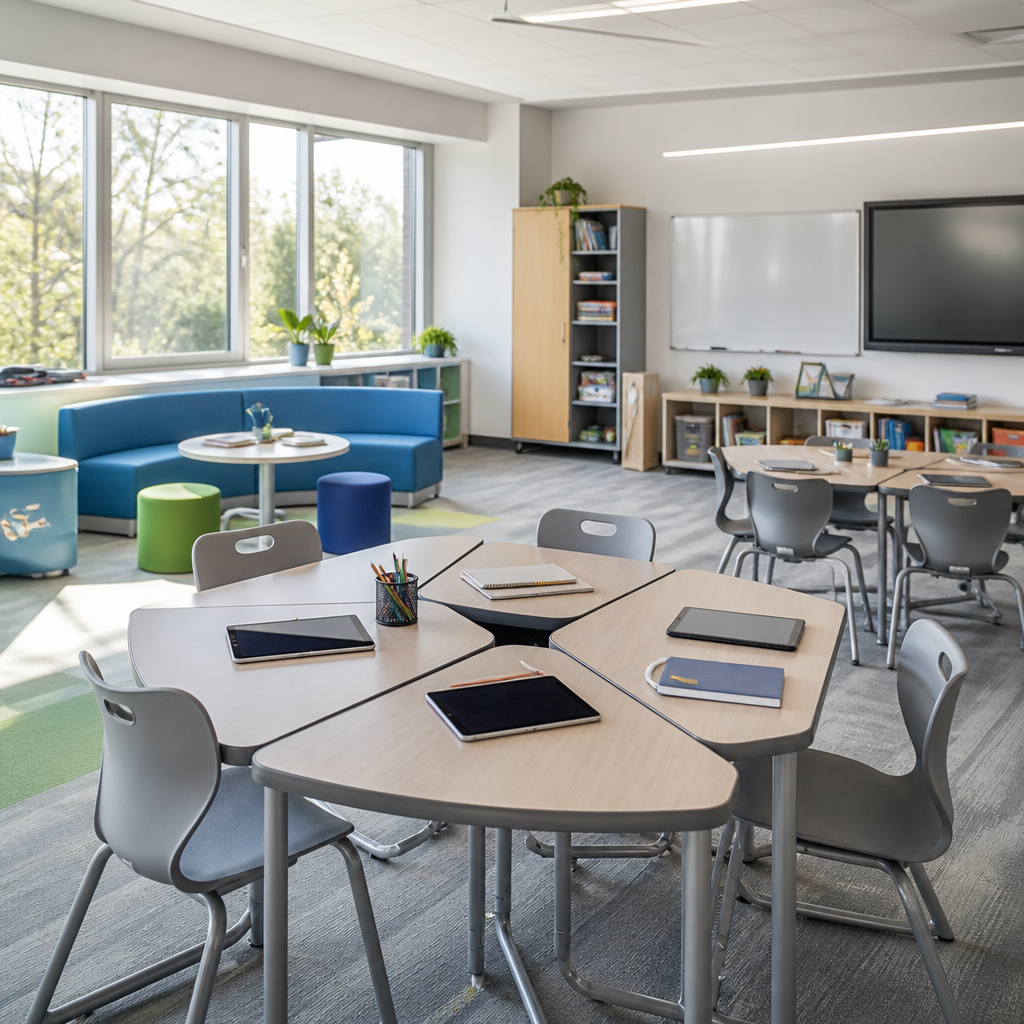
The digital transformation is not limited to software and devices; it is also influencing how physical spaces are designed. The traditional lecture-style layout is increasingly being replaced by flexible learning environments. Modern classrooms are now characterized by modular furniture, collaborative zones, and quiet areas for independent study. This shift acknowledges that different tasks require different environmental conditions.
The goal is to create a dynamic space that fosters creativity and cooperation. When students work in groups on complex projects, they are not just learning academic content; they are developing essential soft skills such as communication, empathy, and negotiation. As technology becomes ubiquitous, the physical classroom becomes a hub for human interaction, while digital platforms handle the delivery of foundational content. This hybrid model ensures that students benefit from both the efficiency of digital tools and the richness of social learning.
Navigating the Challenges of Screen Time and Digital Literacy
Despite the undeniable advantages of digital integration, the increased use of technology in schools has prompted valid concerns. Educators and parents alike worry about excessive screen time and the potential for distractions. Furthermore, the sheer volume of information available online necessitates a robust approach to digital literacy. It is no longer enough for students to know how to use a tablet; they must learn how to critically evaluate sources, identify bias, and protect their digital privacy.
To address these challenges, schools must implement a comprehensive digital citizenship curriculum. This involves teaching students about the ethical implications of their online behavior and the importance of cybersecurity. Furthermore, balanced integration is key. Education should not be purely digital. Physical manipulatives, hands-on experiments, and face-to-face discussions remain critical components of a holistic developmental experience. The goal is to use technology as a lever to enhance deep thinking, not as a substitute for meaningful human engagement.
Empowering Educators for a Tech-Driven Future
The most important factor in the success of any educational shift is the teacher. Technology is a tool, but it is the teacher who breathes life into the curriculum and provides the necessary guidance and mentorship. Therefore, investing in professional development is paramount. Educators need ongoing support to master new platforms and, more importantly, to understand how to integrate these tools effectively into their existing pedagogical strategies.
Many teachers feel overwhelmed by the speed of change. School management plays a vital role here by fostering a culture of experimentation and lifelong learning. When teachers feel empowered and supported, they are more likely to innovate and find creative ways to engage their students. This involves:
- Collaborative Planning Time: Giving teachers the space to share successes and troubleshoot challenges with their peers.
- Ongoing Technical Support: Ensuring that classroom technology is functional and that troubleshooting is readily available so instruction remains uninterrupted.
- Focus on Pedagogy: Prioritizing training that focuses on instructional design rather than just how to use specific software features.
The Vital Role of Parent-School Communication
As education evolves, the partnership between schools and parents becomes increasingly vital. Parents need to understand how these technological and methodological shifts impact their child’s learning. Clear, transparent communication is essential to ensure that parents are not just spectators but active participants in their child’s education.
Communication should extend beyond simple notifications about grades. It should involve discussions about the school’s long-term educational philosophy, how technology is being used to support student well-being, and how parents can reinforce these concepts at home. When parents understand the ‘why’ behind the ‘how,’ they are better equipped to support their children’s development and advocate for the resources and opportunities that will help them succeed. Open dialogue fosters trust, which is the foundation of any successful educational community.
Future Perspectives on Educational Growth
Looking toward the future, the integration of artificial intelligence and advanced machine learning promises to further refine the educational landscape. These tools will enable even more precise personalization and provide support for students with diverse learning needs in ways that were previously unimaginable. However, the core of education will always remain rooted in relationships—the bond between a teacher and their student, and the collaborative spirit between peers.
The ultimate goal of any educational transformation is to equip students with the skills they need to navigate an unpredictable future. This means focusing on critical thinking, resilience, adaptability, and the ability to learn independently. Technology is merely the medium, not the message. By maintaining a focus on human-centered values while embracing the efficiencies of the digital age, schools can prepare students to excel not just in their academic careers, but as productive, thoughtful members of society.
The journey of digital transformation is an ongoing process. It requires constant evaluation, a willingness to iterate, and an unwavering commitment to the student. As we continue to refine our approaches, the focus must remain on creating environments that inspire curiosity and foster a lifelong passion for knowledge. Whether through the implementation of new software or the reimagining of physical learning spaces, every change should be measured by its ability to support student growth and empower every individual to reach their full potential.
As we navigate these changes, let us remember that the purpose of education is to light a fire of inquiry that lasts well beyond the classroom walls. By embracing change with careful deliberation and keeping the student at the center of every decision, we can ensure that the next generation of learners is prepared to meet the challenges of tomorrow with confidence and skill.
0 Comments