
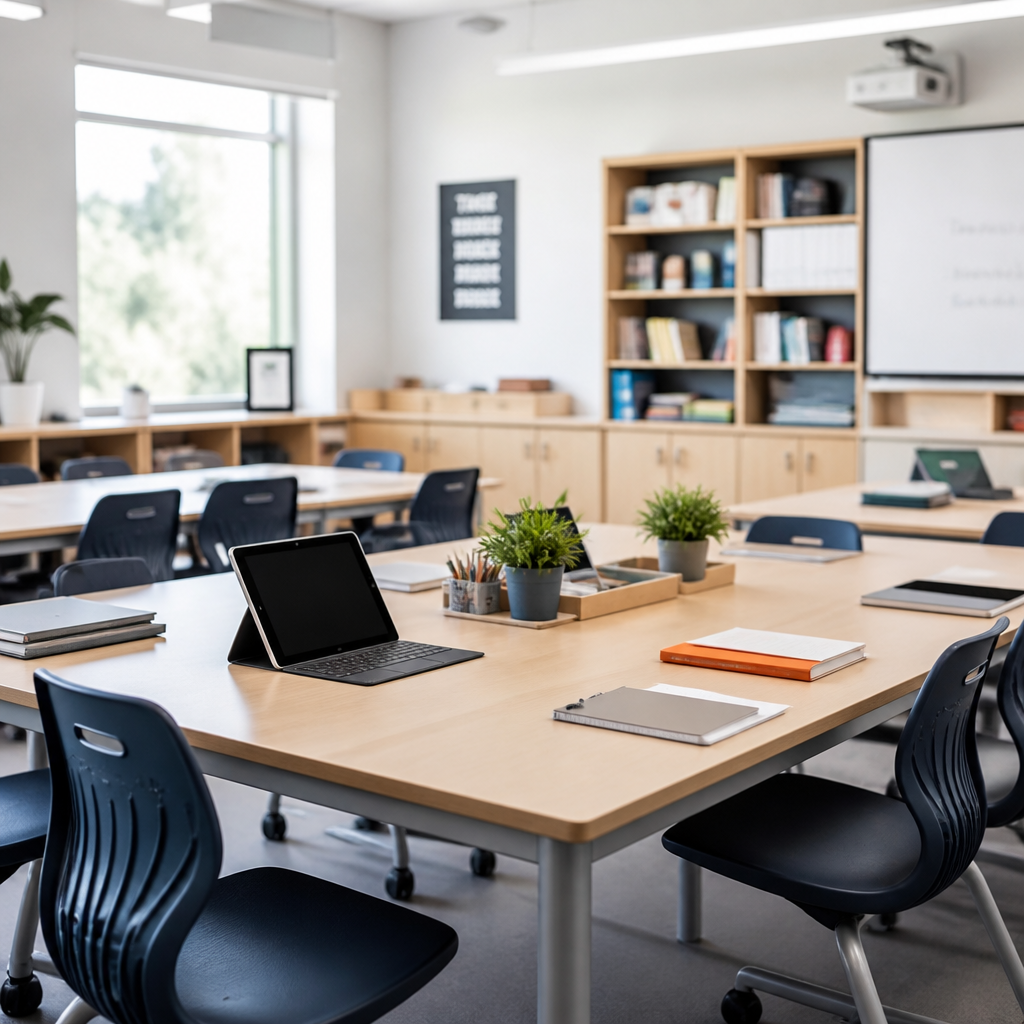
Redefining Excellence: The Future of Modern Classroom Education
The landscape of modern education is shifting dramatically, driven by rapid advancements in technology and a deeper understanding of how students learn best. For educators, administrators, and parents alike, staying ahead of these trends is not merely an academic exercise; it is essential for preparing students for a future that is increasingly complex, digital, and interconnected. As we examine the evolution of the classroom environment, we see a move away from passive lecture-based models toward active, student-centered learning experiences that emphasize critical thinking, collaboration, and adaptability.
The Evolution of Modern Pedagogical Strategies
Traditional teaching methods, which often relied on rote memorization and standardized testing, are increasingly being challenged by more dynamic approaches. The contemporary classroom is no longer defined by rows of desks facing a chalkboard. Instead, it is becoming a hub of inquiry, discovery, and innovation. Project-based learning (PBL) has emerged as a cornerstone of this shift, allowing students to explore real-world problems and develop practical solutions. This method not only reinforces core academic concepts but also builds soft skills such as communication, teamwork, and project management—skills that are indispensable in the 21st-century workforce.
Furthermore, the integration of differentiated instruction recognizes that every student learns at a different pace and through different modalities. By utilizing varied resources, adjusting the complexity of tasks, and providing personalized feedback, teachers can ensure that students remain challenged without becoming discouraged. This tailored approach fosters a growth mindset, encouraging students to view challenges as opportunities for development rather than insurmountable barriers.
Harnessing Educational Technology Responsibly
Technology has become an inseparable component of the learning process. From interactive whiteboards and tablets to sophisticated learning management systems (LMS) and artificial intelligence, the tools available to educators have never been more potent. However, the true value of technology in education lies not in the hardware itself but in its intentional application to enhance the student experience. It is crucial to view technology as a bridge that connects learners to information, global peers, and creative platforms, rather than a replacement for direct interaction between teachers and students.
One of the most significant benefits of digital integration is the ability to provide instant feedback. When students submit assignments digitally, teachers can analyze performance data to identify specific areas of confusion across the class or for individual students. This data-driven approach empowers educators to pivot quickly, adjusting their lesson plans to address gaps in understanding before they compound over time. Moreover, digital platforms facilitate blended learning models, which combine the best of in-person teaching with the flexibility of online learning, catering to the evolving needs of modern families and learners.
Cultivating Social and Emotional Learning (SEL)
Education is about more than just cognitive development; it is profoundly personal and social. Social and Emotional Learning (SEL) has rightfully gained prominence as schools recognize the link between a student’s emotional well-being and their academic performance. When students feel safe, supported, and understood, their capacity for learning increases significantly. Creating a school culture that prioritizes empathy, resilience, and emotional intelligence helps students navigate the pressures of academic life and beyond.
Incorporating SEL into the daily curriculum involves teaching students how to manage stress, set positive goals, feel and show empathy for others, and establish and maintain healthy relationships. This can be achieved through dedicated mindfulness sessions, collaborative group work, and open-dialogue forums where students feel comfortable expressing their thoughts. By investing in the emotional maturity of students, schools produce graduates who are not only academically proficient but also compassionate and responsible global citizens.
The Role of Family Engagement in Student Success
The relationship between schools and families is a vital partnership that significantly influences student outcomes. When parents are actively involved in their child’s education—whether by supporting learning at home, attending school events, or maintaining open communication with teachers—the student benefits from a more consistent and encouraging environment. Effective communication strategies are the bedrock of this relationship. Schools that provide transparent, regular updates on curriculum, student progress, and school policies foster trust and collaboration.
It is important to remember that family involvement does not always look the same. For some, it might mean volunteering in the classroom; for others, it might mean ensuring a quiet space for homework or engaging in discussions about what was learned during the day. Regardless of the form it takes, consistent engagement signals to the student that their education is a collective priority. Schools that actively invite parents into the learning process through workshops, newsletters, and digital portals create a stronger, more resilient educational community.
Adapting to the Future of Assessment
The debate over how to measure student learning continues to evolve. While standardized tests have historically dominated the assessment landscape, there is a growing movement toward more comprehensive assessment practices. Portfolios, oral presentations, self-reflections, and peer assessments provide a more nuanced view of a student’s capabilities and growth. These methods encourage students to take ownership of their learning, reflecting on their strengths and areas for improvement rather than just striving for a numerical score.
Assessment should be viewed as an ongoing conversation rather than an final judgment. By diversifying assessment techniques, educators can better capture the creativity, curiosity, and critical-thinking abilities that standardized tests often miss. This shift toward formative assessment—where feedback is provided throughout the learning process—ensures that students can refine their skills and deepen their understanding in real-time, leading to more meaningful and lasting academic achievement.
Creating Sustainable and Inclusive Learning Environments
As we look toward the future, the physical and cultural design of learning environments must be inclusive of all students, regardless of their backgrounds or abilities. Inclusion is not just a policy but a mindset that values diversity and ensures that all students have equal access to learning opportunities. This requires schools to provide diverse teaching resources, culturally responsive curricula, and accessible facilities that accommodate different learning needs.
Furthermore, sustainability has become an important topic within education. Schools are increasingly adopting practices that teach students about environmental stewardship, from campus gardens and recycling programs to energy-efficient building designs. By integrating sustainability into the core curriculum and the daily operation of the school, educators are providing students with the knowledge and awareness to face the global challenges of tomorrow. A school that models responsible stewardship sends a powerful message to its students about the importance of contributing positively to the world around them.
Ultimately, the objective of any educational institution remains constant: to inspire a lifelong love of learning. By embracing innovative methods, leveraging technology wisely, prioritizing emotional well-being, fostering family connections, and rethinking assessment, schools can build a foundation that empowers every student to reach their full potential. The journey of education is dynamic and ever-changing, and by keeping the student at the heart of every decision, we can ensure that the next generation is well-equipped for the opportunities and responsibilities that lie ahead.
0 Comments