
Redefining the Modern Classroom: Strategic Design for Student Success
The Evolution of Modern Classroom Design: Creating Spaces for Deep Learning
The traditional image of a classroom—rows of bolted-down desks facing a singular chalkboard at the front—is rapidly becoming a relic of the past. As our understanding of pedagogy, cognitive science, and student engagement evolves, so too must the physical environments in which these processes occur. Classroom design is no longer just about aesthetics or capacity; it is a critical component of the educational framework that either facilitates or hinders the learning experience. Designing a space that truly supports the modern student requires a thoughtful integration of flexibility, technology, and sensory awareness.
Beyond Furniture: The Philosophy of Flexible Spaces
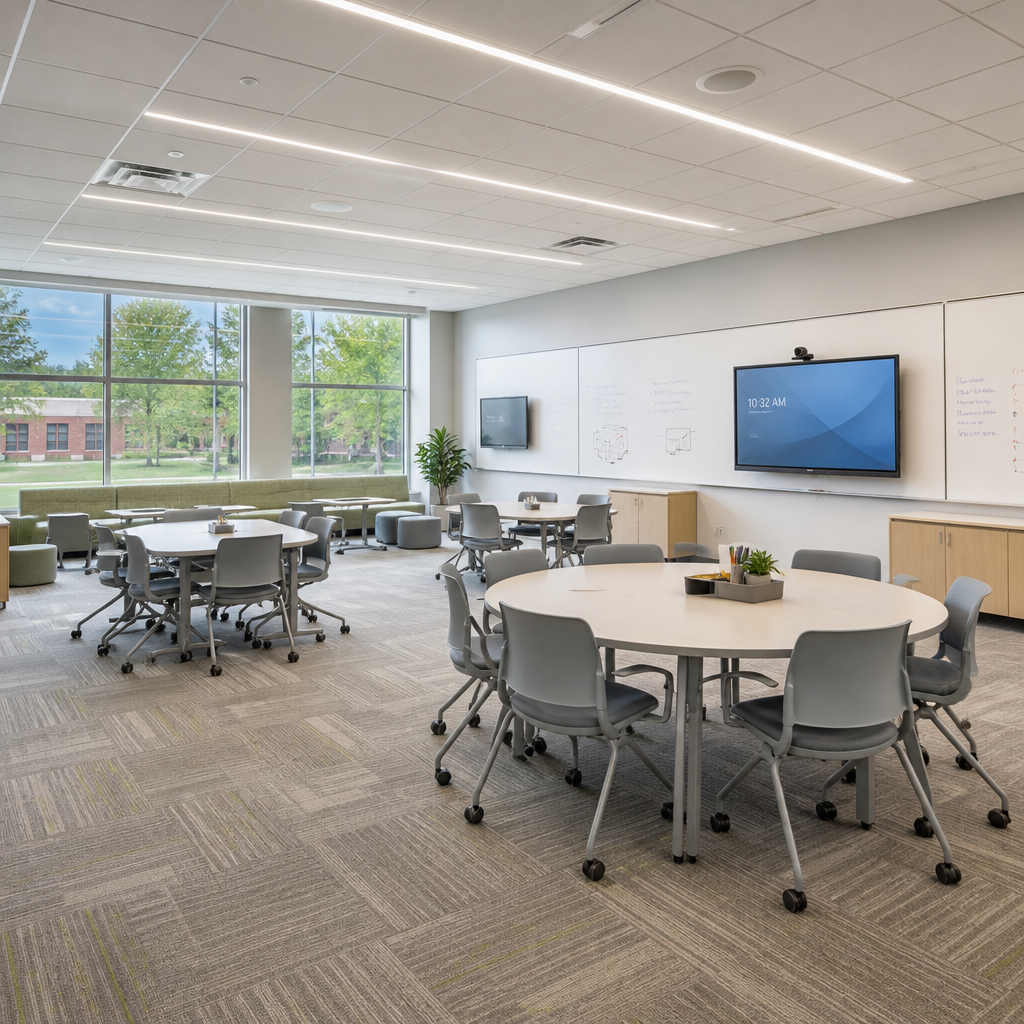
One of the most significant shifts in educational architecture is the move toward flexible, agile learning environments. Students are not uniform in how they learn, and forcing them into a rigid, one-size-fits-all seating arrangement often disregards the diverse needs of different learners. Flexible design allows for rapid reconfiguration of the room, enabling teachers to transition seamlessly between direct instruction, collaborative group work, and independent study.
A classroom with modular furniture—desks that can be pushed together, standing-height workstations, and soft seating options—empowers students to take ownership of their learning environment. When a student can choose a space that best suits their current task, they are more likely to stay focused and engaged. For instance, a small group might thrive in a partitioned nook for brainstorming, while a student working on a research paper might prefer a quiet, solitary desk away from the main traffic flow.
Integrating Technology into the Fabric of the Classroom
Technology has moved from being a peripheral tool to the very core of modern instruction. However, poorly integrated technology can create clutter and distraction. Modern classroom design prioritizes seamless connectivity. This means more than just having Wi-Fi; it involves thoughtfully placed charging stations, wireless casting capabilities, and displays that are accessible from multiple viewpoints.
Furthermore, the “tech-enabled” classroom must also be “tech-neutral” enough to allow for periods of deep, analog focus. Modern design emphasizes balanced spaces where students can move from a digital simulation on a tablet to a whiteboard surface for manual brainstorming without friction. The goal is to make technology invisible in its support of learning, rather than the focal point of the classroom’s architecture.
Designing for Sensory Regulation and Well-being
Environmental psychology plays a massive role in student performance. Factors like lighting, acoustics, and color temperature significantly impact a student’s ability to concentrate. Harsh, flicking fluorescent lights are known to cause fatigue and anxiety. Conversely, the inclusion of natural light—biophilic design—has been shown to improve mood and academic outcomes.
Acoustics are equally vital. In a busy classroom where group discussions are encouraged, sound management can prevent a space from becoming overwhelming. Utilizing acoustic panels, soft surfaces, and even intentional floor layouts can mitigate excessive noise, creating a “Goldilocks” environment: vibrant enough to be stimulating, yet quiet enough to maintain focus.
The Role of Collaboration Zones
The modern workplace prizes collaboration, and schools are increasingly mirroring this reality. Dedicating specific zones for team-based work within the classroom encourages social learning and communication skills. These zones often feature shared surfaces, such as large tables or writable walls, which act as catalysts for peer-to-peer teaching.
When students work in these collaborative zones, they are not merely completing an assignment; they are engaging in a social construction of knowledge. This setup helps teachers move away from being the “sage on the stage” to becoming the “guide on the side.” By circulating among these zones, educators can provide targeted feedback to small groups, making their instruction more personalized and effective.
The Impact of Inclusivity in Design
Universal Design for Learning (UDL) principles should extend to the physical classroom. An inclusive space is one that accommodates all students, regardless of physical ability or neurodiversity. This includes ensuring wide, clear pathways for mobility, providing quiet spaces for students who become overstimulated, and using tactile materials that aid sensory-seeking learners.
Designing for inclusivity is not an “add-on” or a special accommodation; it is an approach that improves the classroom for every student. For example, a “calm-down” corner isn’t just for a student with specific needs; it is a resource that any student experiencing stress or frustration can utilize to regulate their emotions. By making these features a standard part of the classroom landscape, schools create a culture of empathy and accessibility.
Sustainable and Healthy Learning Environments
The health of a learning environment is inherently linked to sustainability. Incorporating sustainable materials not only reduces the carbon footprint of the school but also promotes healthier air quality. Non-toxic paints, low-emission carpets, and furniture made from recycled materials contribute to a safer, less allergenic environment. Given the amount of time students spend in the classroom, these design choices have long-term impacts on respiratory health and overall attendance.
Furthermore, sustainability serves as a teaching tool. A school that demonstrates energy efficiency through its design—such as motion-activated lighting or passive heating/cooling—teaches students about responsibility and environmental stewardship in a practical, experiential way.
Empowering Teachers Through Layout
We often focus on the student experience, but we must also consider the teacher’s workflow. A poorly designed room can make classroom management unnecessarily difficult. Teachers need clear lines of sight to monitor all corners of the room, easy access to instructional materials, and a personal space that remains organized. When the physical space is intuitive, teachers spend less time managing the room’s layout and more time focusing on student instruction.
Conclusion: The Classroom as a Living Organism
The modern classroom is an ever-evolving entity. It is not meant to be static, but rather a dynamic space that shifts in response to the curriculum and the students’ needs. By focusing on flexibility, technology, sensory health, and inclusivity, school leaders can create environments that do not just hold students, but actively support their growth.
Investing in thoughtful classroom design is an investment in student success. It signals to students that their learning environment is valued and that they are encouraged to interact with their surroundings in ways that facilitate creativity and deep thought. As we look toward the future of education, the physical walls of the school will continue to matter, provided they are built to empower, inspire, and adapt to the needs of the next generation.
0 Comments