
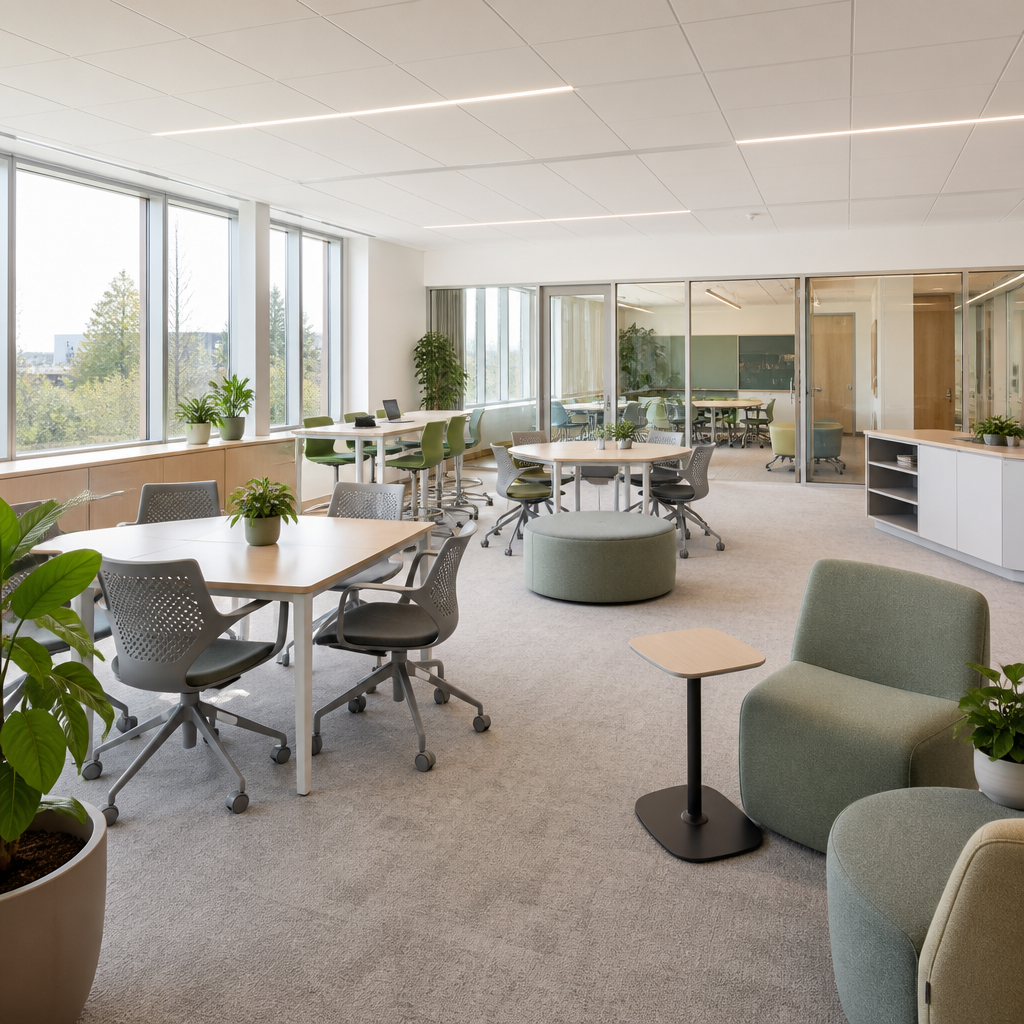
Redesigning the Learning Experience: The Impact of Modern Classroom Environments
The Evolution of Modern Classroom Design: Shaping Spaces for Future-Ready Learning
For decades, the standard classroom model remained largely unchanged: rows of desks facing a teacher at the front, a chalkboard or whiteboard as the primary tool for information dissemination, and a rigid structure that prioritized passive listening over active engagement. However, as our understanding of pedagogy and child development has evolved, so too has our approach to the physical environment in which learning takes place. Today, architects, educators, and school administrators are reimagining the classroom not just as a room, but as a dynamic ecosystem designed to support diverse learning styles, foster collaboration, and integrate technology seamlessly.
The shift towards student-centered learning environments is based on the premise that the physical space directly influences student behavior and cognitive outcomes. A classroom designed for the 21st century is flexible, adaptable, and purposeful. It recognizes that students learn at different speeds, in different ways, and through different modes of interaction. Moving away from fixed furniture, modern schools are embracing modular designs that allow spaces to be reconfigured in minutes, transforming from a lecture hall to a collaborative workshop or a quiet independent study area.
The Psychology of Space and Student Engagement
The impact of interior design on educational success is profound. Research has consistently shown that classroom lighting, acoustics, air quality, and spatial organization all play a critical role in how well students can focus and retain information. For example, natural light has been linked to improved attendance and higher test scores, likely due to its positive effect on circadian rhythms and mood regulation. When students feel comfortable and empowered by their environment, they are more likely to participate, take risks, and engage deeply with the curriculum.
Furthermore, the concept of “territoriality” in the classroom—the feeling that a student has a specific place to work or a sense of ownership over a shared area—can significantly impact their sense of belonging. By providing varied seating options, such as standing desks, floor cushions, or lounge-style breakout areas, educators can offer students agency in their learning. This sense of control is particularly important for fostering autonomy in middle and high school students, who are transitioning towards more self-directed academic responsibilities.
Designing for Collaboration and Social-Emotional Growth
Modern education emphasizes the “4 Cs”: critical thinking, communication, collaboration, and creativity. A traditional classroom configuration is often the antithesis of these goals. In contrast, collaborative classrooms prioritize group work and interpersonal connection. This often involves creating “huddle zones” where small groups can work together without disturbing the rest of the class, or integrating technology hubs that allow multiple students to connect their devices to a single display for collaborative brainstorming.
The role of the teacher also changes in these environments. Instead of being the “sage on the stage,” the teacher becomes the “guide on the side.” This change is physically reflected in the design of the classroom. The teacher’s desk, which once served as a command center, is increasingly being replaced by mobile podiums or removed entirely, allowing the educator to circulate freely and provide targeted, one-on-one support where it is needed most. This shift breaks down the power hierarchy, fostering a more collaborative atmosphere where questions are encouraged and the teacher-student relationship is built on partnership.
Integrating Technology Without Distraction
Technology is a cornerstone of modern education, but it can also be a significant source of distraction if not managed carefully. The challenge lies in integrating digital tools into the fabric of the learning space rather than treating them as an afterthought. This means incorporating smart power management, reliable high-speed wireless connectivity, and ergonomic charging stations that don’t create cable clutter.
More importantly, the integration of technology must be intentional. Rather than forcing every student to stare at a screen for the entire period, modern classroom designers are creating “tech-free zones” for discussion and analog work, balanced by high-tech makerspaces where students can engage with robotics, digital design software, or virtual reality simulations. This hybrid approach ensures that digital literacy is developed alongside critical thinking and interpersonal skills, preparing students for a workforce that demands both technical proficiency and emotional intelligence.
The Role of Sensory Design and Wellbeing
As we move toward a more inclusive educational model, the sensory profile of the classroom becomes paramount. Neurodiverse students, including those with autism or ADHD, may find traditional, high-stimulus classrooms overwhelming. Designing for accessibility means incorporating acoustic panels to manage noise levels, using calming, non-distracting color palettes, and providing “quiet corners” or “de-escalation spaces” where students can self-regulate when they feel overstimulated.
Creating an environment that supports mental health is no longer a luxury—it is an educational necessity. When a classroom provides clear sightlines, easy navigation, and zones for varying levels of social interaction, it reduces anxiety and allows students to devote more of their mental energy to the task of learning. Simple design choices, like incorporating biophilic elements—such as indoor plants or views of nature—have also been shown to reduce stress levels, improve air quality, and increase creative output.
The Future of Classroom Architecture
Looking ahead, the line between the “classroom” and the “rest of the school” is becoming increasingly blurred. We are seeing a move toward open-concept school designs, where hallways are transformed into informal learning commons and libraries serve as vibrant, technology-rich hubs. This democratization of space allows for project-based learning to bleed out of the classroom walls and into the broader school community, fostering a culture of continuous learning.
Ultimately, the goal of modern classroom design is to create a physical embodiment of the school’s pedagogical philosophy. If a school believes in student-led inquiry, the physical space must provide the tools for investigation. If a school values community, the architecture must facilitate gathering. As we continue to refine these spaces, we must remember that the design is never truly “finished.” It must remain agile and responsive to the needs of the students and teachers who use it every day. By investing in thoughtful, sustainable, and inclusive learning environments, we are not just building schools; we are building the foundation for a more engaged, creative, and successful future generation.
Summary and Final Considerations
The transformation of classrooms is not just about aesthetics or modern furniture; it is a fundamental rethinking of the educational experience. By focusing on flexibility, inclusivity, and the integration of technology with human-centric design, we can create environments that inspire curiosity and foster growth. As schools prepare for the future, they must view their physical assets as living tools that require ongoing assessment and adaptation. When teachers and students feel supported by their physical environment, the potential for academic and personal success is nearly limitless. As we move forward, the collaboration between architects, educators, and the community will be the key to designing the next generation of effective and inspiring learning spaces.
0 Comments