
Reimagining the Modern Classroom: How Environment Shapes Academic Success
The Evolution of Modern Classroom Environments: Fostering Student Success
The traditional image of the classroom—rows of desks facing a chalkboard, a teacher at the front, and students silently absorbing information—has undergone a radical transformation. As educational research advances and technology integrates further into our daily lives, schools are reimagining the physical and psychological spaces where learning occurs. Creating an effective classroom environment today is not just about aesthetics; it is about building a dynamic ecosystem that supports collaboration, critical thinking, and individual growth.
A well-designed learning environment acts as the “third teacher.” It influences how students interact with each other, how they engage with materials, and how they perceive their own potential. By moving away from rigid, one-size-fits-all designs, educators can create settings that respond to the diverse needs of modern students, ensuring that every learner has a path toward academic success.
Beyond the Desk: Flexible Seating and Student Autonomy
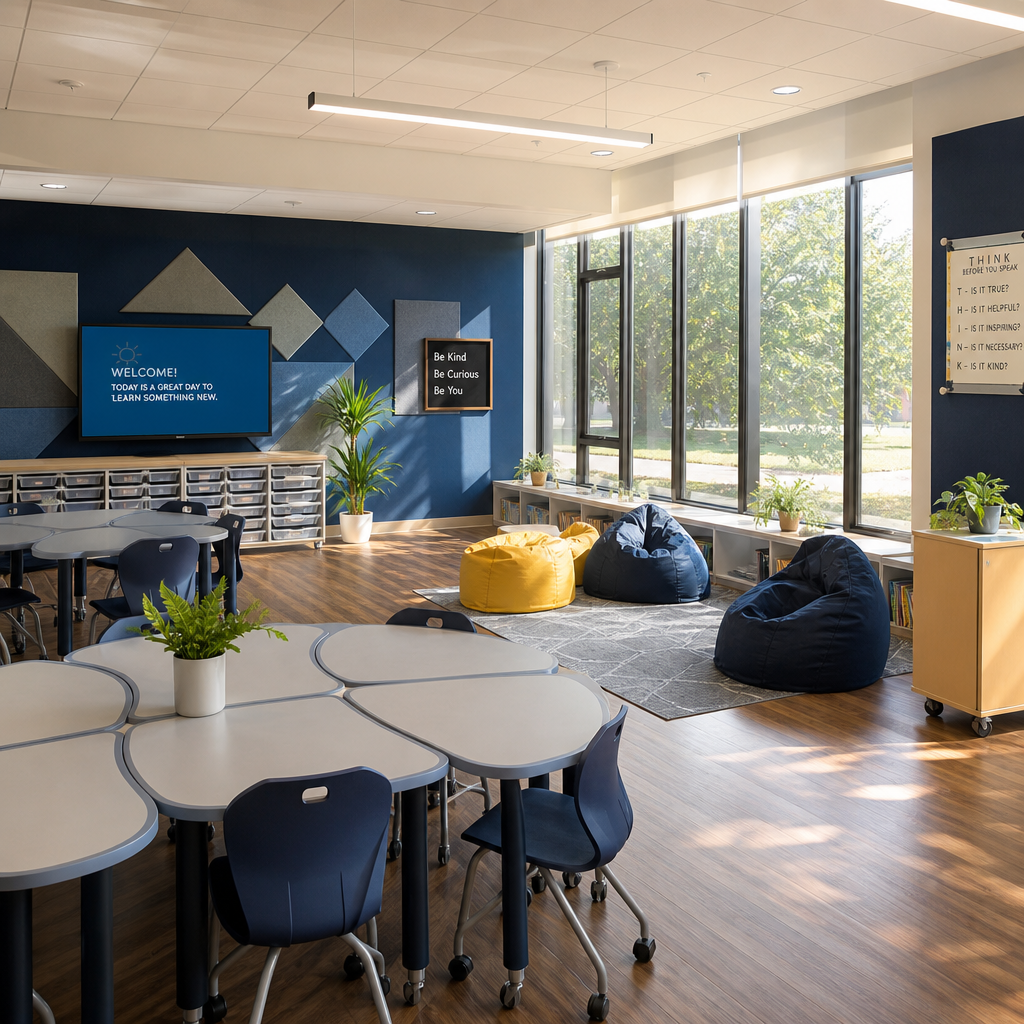
One of the most significant shifts in modern pedagogy is the introduction of flexible seating arrangements. The era of bolted-down desks is fading, replaced by modular furniture that can be easily reconfigured to suit different learning activities. This shift is rooted in the understanding that physical comfort and movement are directly linked to cognitive engagement.
When students are given the autonomy to choose where they work—whether at a standing desk, a soft-seating area, or a collaborative group table—they take ownership of their learning process. This agency helps students manage their own energy levels and focus, particularly for those who find it difficult to remain seated for long periods. Furthermore, flexible spaces naturally encourage social interaction. When students can quickly group their chairs for a brainstorming session or break away for quiet reflection, the classroom becomes a fluid space that adapts to the task at hand.
Designing for Different Learning Styles
Not every student processes information in the same way. A modern, inclusive classroom must provide variety. This means creating “zones” within a single room:
- The Collaborative Zone: Open areas with large tables and whiteboards to foster communication and teamwork.
- The Focus Zone: Quiet, perhaps partitioned areas where students can concentrate on reading, writing, or individual tasks without distraction.
- The Presentation Zone: A space equipped with technology where students can share their work, engage in debates, or lead discussions.
- The Resource Zone: A library or media corner stocked with diverse materials, catering to curiosity and independent research.
The Role of Educational Technology in Physical Spaces
Technology is often viewed as a separate entity from the classroom’s architecture, but the most effective learning environments seamlessly weave the two together. Today, technology is not just about having a screen in every room; it is about connectivity and access. Integrating charging stations, high-speed Wi-Fi, and interactive displays throughout the room allows technology to support learning regardless of where a student is sitting.
Moreover, the use of educational software and platforms has turned the classroom into a hybrid space. Students may be working on collaborative digital projects while physically sitting in the same room, utilizing tools that allow for real-time peer feedback. By reducing the reliance on static devices like desktop computers, schools can keep the space uncluttered and versatile, ensuring that the physical environment remains focused on human interaction rather than just hardware.
Lighting, Acoustics, and Sensory Considerations
The physical health and well-being of students are paramount to their academic performance. Factors such as lighting and acoustics, which were once overlooked in classroom design, are now understood to have a profound impact on focus and anxiety levels. Harsh, flickering fluorescent lights are being replaced by warmer, natural-spectrum lighting that mimics the daylight cycle, which helps regulate student circadian rhythms and mood.
Acoustics also play a critical role. In a busy, active classroom, noise levels can become overwhelming, creating a barrier to learning for many students. Using acoustic panels, carpeting, and sound-absorbing materials helps to dampen excessive noise, allowing for productive discussions to occur without creating a cacophony that interrupts those working in other zones. By thoughtfully managing the sensory environment, teachers can create a “calm” energy that invites focus rather than agitation.
Cultivating a Culture of Belonging
The emotional environment of a classroom is just as vital as the physical one. A school is not merely a place of instruction; it is a community. Students perform best when they feel safe, valued, and respected. This starts with how the physical space reflects the diversity of the student body. Displays of student work, art, and projects that represent different backgrounds and perspectives can make a classroom feel like a home away from home.
Teachers who dedicate time to “environment building”—establishing clear norms, acknowledging contributions, and creating inclusive rituals—lay the groundwork for a productive year. When a student walks into a room and sees their voice represented on the walls, they feel a sense of agency and belonging. This emotional safety is the foundation upon which academic rigor is built. Without it, students are less likely to take risks, participate in discussions, or engage in the productive struggle necessary for deep learning.
Involving Parents in the Learning Journey
The education of a child is a collaborative effort between the school and the family. While much of the classroom design is handled by teachers and administrators, keeping parents informed about the learning environment can foster a more supportive home-school connection. When parents understand that their child’s classroom is designed to encourage movement, critical thinking, and emotional growth, they can better support the child’s learning journey at home.
Transparent communication about school policies and classroom expectations helps build trust. Whether it is through newsletters, open-house nights, or digital parent portals, sharing the philosophy behind classroom layout and pedagogical approaches helps parents see how the school is actively prioritizing student success. This alignment of expectations ensures that both at home and at school, children feel encouraged to develop their unique potential.
Preparing for the Future of Education
As we look to the future, the definition of a “classroom” will continue to evolve. We are moving toward a model of lifelong learning where the boundary between the classroom and the real world becomes increasingly porous. Students are engaging with industry experts via video, participating in virtual field trips, and applying their skills to solve real-world problems in their communities. Our school buildings and classrooms must be ready to support this outward-facing approach to education.
This means that future-proofing our learning environments is about flexibility, sustainability, and technological integration. It is about creating spaces that do not dictate how learning should happen, but rather invite students to innovate, collaborate, and explore. By investing in thoughtful classroom design today, we are giving students the tools and the settings they need to navigate the complexities of tomorrow. Education is not just about what is taught, but where and how it is experienced, and every detail of our learning environments plays a crucial role in shaping the minds of the next generation.
Ultimately, the successful school of the future will be one that remains adaptable. As pedagogical methods shift to meet new challenges—whether those be societal, environmental, or technological—the physical school must be ready to pivot. By focusing on the intersection of human-centric design, innovative technology, and inclusive culture, schools can ensure that they remain vibrant, effective centers of growth for all students.
0 Comments