
Reimagining the Modern Classroom: How Physical Spaces Shape Learning Outcomes
The Evolution of Modern Classroom Design and Student Engagement
The traditional image of a classroom—neat rows of desks facing a chalkboard, with students sitting silently in anticipation of a lecture—is rapidly fading. In its place, educators and architects are co-creating dynamic, flexible learning environments designed to foster collaboration, curiosity, and deep student engagement. This shift is not merely about aesthetic upgrades; it is a fundamental redesign based on our evolving understanding of how the human brain acquires knowledge and how different social interactions influence educational outcomes.
As we move further into the 21st century, the physical design of learning spaces has become recognized as a “third teacher.” If the first teacher is the human educator and the second teacher is the curriculum, the physical space acts as the silent, yet powerful, facilitator of the entire educational process. Understanding this dynamic is crucial for school administrators, teachers, and parents who are invested in the future of education.
Moving Beyond the Static Desk Arrangement
For decades, the standard classroom layout served a specific purpose: industrial-era efficiency. It was designed to transmit information from one source to many recipients simultaneously. However, modern learning requires a different approach. We are no longer training students to follow rote instructions; we are preparing them for roles that demand critical thinking, creativity, and the ability to work in diverse, multi-disciplinary teams.
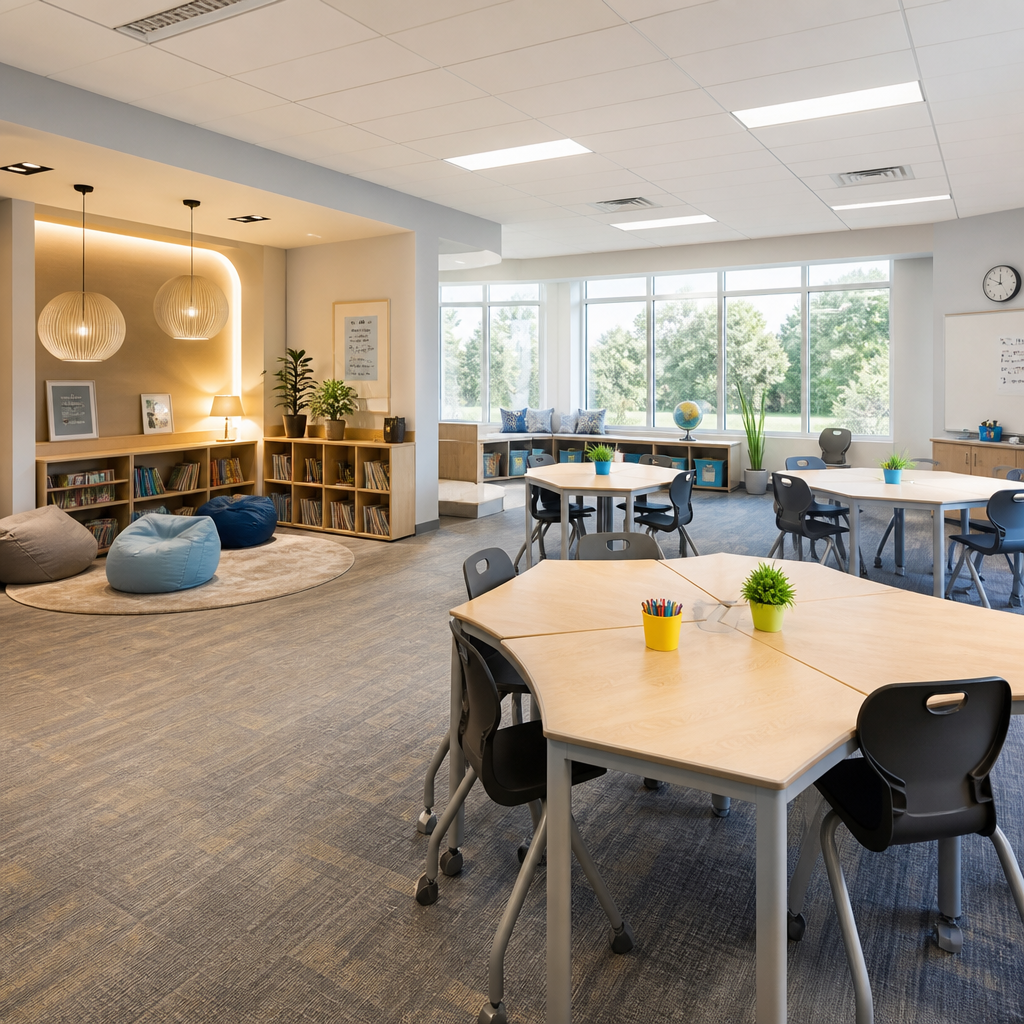
Flexible furniture is the cornerstone of the modern, responsive classroom. Instead of heavy, bolted-down desks, schools are opting for lightweight, modular tables that can be reconfigured in minutes. A classroom might start the day with students working individually at carrels, shift to pods of four for a group project, and finish with a large semi-circle for a class-wide discussion. This mobility empowers students to take ownership of their learning environment, choosing the setting that best suits the task at hand. When students have agency over their space, their cognitive engagement increases significantly.
The Role of Zonal Learning
One of the most effective strategies in modern educational design is the implementation of “zones.” Rather than treating the classroom as a singular, uniform box, teachers are dividing rooms into distinct functional areas. These might include:
- The Collaboration Zone: Featuring round tables and interactive whiteboards, this area is dedicated to group work, peer tutoring, and brainstorming.
- The Focus Zone: Quiet corners or alcoves equipped with sound-absorbing materials where students can engage in deep work, reading, or reflective writing without distraction.
- The Presentation Zone: A space equipped with technology that allows students to showcase their work, deliver speeches, or share findings, fostering public speaking skills and confidence.
- The Maker/Creative Zone: An area stocked with tactile materials, art supplies, or STEM kits, encouraging hands-on experimentation and trial-and-error learning.
By providing these distinct spaces, educators can cater to different learning styles and task requirements, ensuring that no student is left behind because their environment did not support their specific mode of thinking.
Integrating Technology Seamlessly
While the physical layout is paramount, the integration of technology must be intentional and seamless. A common mistake in school design is treating technology as an afterthought—adding computers to a room not built for them often results in a cluttered, tangle-prone environment. In forward-thinking schools, the infrastructure is integrated into the architecture itself.
Wireless connectivity, hidden power outlets, and centralized charging stations allow students to move freely with their devices. However, the goal is not to have every student glued to a screen. Instead, technology acts as a bridge. For instance, augmented reality (AR) can turn a corner of the room into an immersive historical site, or collaborative cloud software can allow students to co-author a document in real-time while sitting at a collaborative table. The technology disappears into the background, leaving the focus on the interaction and the ideas being generated.
The Impact of Natural Lighting and Biophilic Design
Human beings have a biological affinity for nature, a concept known as biophilia. Studies have consistently shown that environments incorporating natural light, greenery, and natural materials significantly reduce stress and improve academic performance. In school design, this means prioritizing classrooms with large windows and views of the outdoors.
When natural light is abundant, classrooms feel more vibrant and less oppressive. Proper lighting also helps maintain circadian rhythms, which is essential for student focus and alertness. Furthermore, the inclusion of indoor plants or the use of natural textures like wood and stone helps create a calming atmosphere. When the physical school environment mirrors the natural world, students feel more comfortable, leading to better emotional regulation and a more positive attitude toward school attendance.
Acoustics: The Often Overlooked Factor
A classroom filled with busy, collaborating students can quickly become loud and chaotic if not properly managed. Poor acoustics can be a major barrier to learning, causing fatigue and difficulty in processing instructions. Modern classroom design addresses this through the strategic use of sound-absorbing materials.
Carpeting, acoustic ceiling tiles, and even fabric-covered furniture can make a massive difference. By reducing echoes and ambient noise, teachers can speak at a normal volume, and students can communicate with their peers without having to shout. This creates a much more sustainable and pleasant environment for everyone involved, reducing the “teacher burnout” that often results from having to compete with high noise levels throughout the day.
The Teacher as a Facilitator of Space
As classroom environments evolve, so too does the role of the teacher. The teacher is no longer the “sage on the stage” but rather a “guide on the side.” In a flexible classroom, the teacher acts as a facilitator, moving between groups, providing guidance, and assessing progress through observation rather than just testing. This requires a new set of skills, as teachers must be comfortable with a higher level of student autonomy and a slightly less predictable classroom structure.
Teachers who embrace this shift often report higher levels of job satisfaction. When they aren’t tied to a front-of-room lectern, they can build deeper, more meaningful connections with students. They see the learning happen in real-time, intervening exactly when a student is stuck and celebrating breakthroughs as they occur in small groups.
Challenges and Future Outlook
Despite the clear benefits of modern, flexible classroom design, many schools face significant challenges in implementing these changes. Budgetary constraints are often the primary hurdle. Retrofitting older, rigid school buildings is expensive, and many districts are stuck with legacy floor plans that are difficult to modify.
However, small changes can yield big results. You don’t need a total architectural overhaul to start making improvements. Simple steps like decluttering, rearranging existing furniture, or introducing a few flexible seating options can start the process of transformation. The focus should always be on what the students need to succeed, not just on aesthetics.
As we look to the future, the integration of data-driven design will likely become more prevalent. Architects and educational psychologists will increasingly use analytics to understand how specific spaces affect student movement and social interaction. We are entering an era where school design is treated as a precise science, dedicated to optimizing the human capacity for learning. By prioritizing adaptable spaces, human-centric design, and the emotional well-being of students and teachers alike, we can create institutions that truly prepare the next generation for the complexities of the future. The classroom of tomorrow is not a static room; it is a living, breathing ecosystem of learning.
0 Comments