
Rethinking the Classroom: The Power of Student-Centered Learning
The Evolving Landscape of Student-Centered Learning
In the traditional educational model, the teacher has long been viewed as the primary architect of knowledge, standing at the front of the classroom while students absorb information in a relatively passive manner. However, the paradigm is shifting. Today, modern pedagogy is increasingly moving toward a student-centered approach, where the focus transitions from what the teacher is teaching to what the student is learning, how they are engaging with the material, and how they are developing as critical thinkers. This shift is not merely a trend; it is a fundamental rethinking of the educational process designed to prepare students for a future that values adaptability, collaboration, and self-directed inquiry.
Student-centered learning recognizes that every student brings a unique set of interests, experiences, and learning styles into the classroom. When educational environments adapt to these differences, engagement deepens, retention improves, and academic achievement becomes more than just a metric of success—it becomes a journey of personal growth. Transitioning to this model requires intentional design, from the physical layout of the classroom to the way assessment data is used to inform daily instruction.
Building Autonomy through Personalized Pathways
At the heart of student-centered education lies the principle of autonomy. When students have a voice in their learning journey, they become more invested in the outcomes. This does not mean that the curriculum is abandoned or that standards are lowered. On the contrary, it means that teachers provide multiple pathways to reach the same learning objectives. By offering students choices—whether in how they demonstrate mastery of a topic, the resources they use, or the pace at which they work—educators empower them to take responsibility for their own success.
Personalization is often mistaken for individual study, but in a school setting, it is actually a highly collaborative endeavor. Teachers act as facilitators, guiding students through a curated set of challenges that align with their personal interests while ensuring they meet rigorous academic benchmarks. This approach builds resilience and problem-solving skills, as students learn to navigate obstacles and seek resources independently. It shifts the dynamic from “I have to learn this for the test” to “I need to understand this to achieve my goals.”
The Critical Role of Collaborative Learning Environments
While autonomy is essential, education is inherently social. Collaborative learning is a pillar of modern student-centered pedagogy. When students work together to solve complex problems, they learn to communicate effectively, negotiate perspectives, and appreciate the diversity of thought that each group member contributes. This mimics the professional landscape of the 21st century, where success is rarely the result of working in isolation.
Creating an environment that fosters collaboration involves more than just seating arrangements. It requires the deliberate development of a classroom culture where every voice is valued. Teachers facilitate this by carefully structuring group tasks, ensuring that roles are defined, and that every student has an opportunity to contribute. When properly executed, collaborative projects help students develop soft skills like empathy, leadership, and conflict resolution, which are just as vital as subject-specific knowledge.
Designing Spaces for Active Engagement
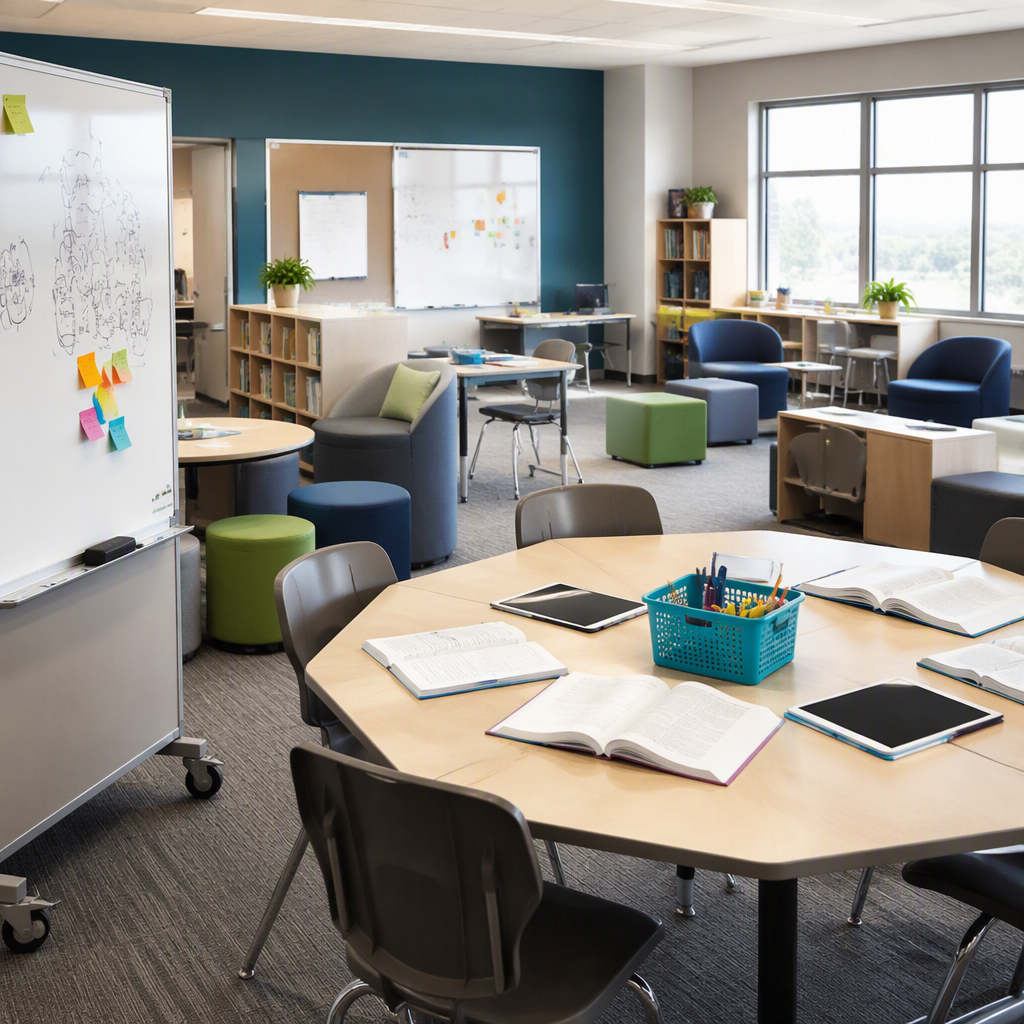
The physical space of a school often reflects its pedagogical philosophy. Traditional rows of desks are designed for lectures, but they are ill-suited for the dynamic, collaborative environment required for modern learning. Schools are increasingly redesigning their physical environments to include flexible furniture, designated breakout areas for small-group work, and stations that utilize educational technology.
These spaces are designed to be agile. A classroom should be able to transform in minutes from a lecture setting to a space for collaborative workshops or quiet, independent research. By providing this flexibility, schools signal to students that their learning process is dynamic and that their environment should support their current objective, rather than dictating how they should interact with their work.
Integrating Technology with Purpose
Educational technology has become an inescapable reality, but its true power lies in how it serves the student-centered model. Simply digitizing textbooks or using devices for passive consumption does not equate to innovation. Instead, technology should be used as a tool for creation, communication, and expanded access to information.
When students use technology to conduct research, create multimedia presentations, or collaborate with peers globally, they are developing the digital literacy skills required for adulthood. Moreover, adaptive learning platforms allow teachers to track progress in real-time, providing immediate feedback that allows students to adjust their strategies. This data-driven approach ensures that no student falls through the cracks and that those who are ready for a challenge are continuously pushed to excel.
Fostering a Growth Mindset in Every Learner
A student-centered classroom is incomplete without a strong focus on the psychological aspects of learning. The concept of the “growth mindset,” popularized by research on academic achievement, is a cornerstone of modern educational success. It is the belief that abilities and intelligence can be developed through dedication and hard work.
In a classroom that prioritizes growth over perfection, mistakes are reframed as essential components of the learning process. Teachers play a critical role here by providing feedback that focuses on effort, strategy, and improvement rather than just the final result. When students understand that their intellect is not fixed, they are more likely to take risks, engage with difficult material, and persist when faced with failure. This psychological security is vital for long-term academic and personal success.
Parental Involvement as a Catalyst for Success
The transition toward more modern, student-centered educational practices is a collaborative effort between the school and the home. Parents are the first teachers of their children, and their support is essential in reinforcing the value of independent thinking and curiosity. When schools and parents communicate clearly about the goals of the curriculum and the methods used to teach it, students feel supported in both environments.
This partnership involves keeping parents informed about the shift from rote memorization to skill-based learning. It allows families to understand that a student’s “struggle” with a complex project is actually a sign of deep learning taking place. By maintaining an open dialogue, parents can support their children’s development, helping them build the confidence needed to navigate their own learning paths successfully.
Preparing Students for a Rapidly Changing Future
As we look toward the future, the primary goal of education must remain constant: preparing students to thrive in an unpredictable world. The rapid pace of change means that the specific information taught today may be outdated tomorrow. Therefore, the focus must be on teaching students *how* to learn, how to adapt, and how to remain curious.
Student-centered learning provides the perfect foundation for this. By placing the student at the center, we are not just teaching them subjects; we are equipping them with the agency, the social intelligence, and the cognitive flexibility required for a lifetime of learning. Whether they enter higher education, start their own businesses, or enter the workforce, these students will be prepared to navigate their futures with confidence and skill.
Ultimately, the transformation of schools is not just about updating materials or integrating tech; it is about respecting the potential of every student. By providing the right scaffolding, support, and freedom, we ensure that every student can discover their unique path and contribute meaningfully to the world around them. It is an ambitious goal, but one that is essential for the future of society.
0 Comments