
Supporting Students with Learning Disabilities: A Guide to Early Identification and Success
Understanding Learning Disabilities: A Compassionate Approach for Educators and Parents
Every child develops at their own unique pace, but sometimes, a student’s academic journey is hindered by persistent challenges that go beyond simple lack of effort or motivation. When a child consistently struggles with specific aspects of learning—such as reading, writing, or mathematics—despite having average or above-average intelligence, they may be experiencing a learning disability. These neurological differences affect how the brain processes information, and identifying them early is the single most important step in empowering students to succeed both inside and outside the classroom.
For parents and teachers, recognizing the signs of learning disabilities is not about labeling a child, but about understanding their specific needs so that the appropriate support systems can be put into place. When we shift our focus from a child’s perceived deficits to the potential they possess, we create an environment where academic confidence can flourish.
What Are Learning Disabilities?
A learning disability is not a reflection of a child’s character or their intelligence level. Instead, it is a processing disorder. Essentially, the brain of a student with a learning disability is wired differently, making it difficult for them to receive, process, store, or communicate information in the same way as their peers. These conditions are lifelong, but with proper intervention, pedagogical adjustments, and emotional support, individuals with learning disabilities can excel academically and professionally.
It is important to distinguish between learning disabilities and learning difficulties, which may be caused by vision or hearing impairments, emotional disturbances, or lack of educational opportunity. A learning disability, conversely, is neurobiological in nature. Common types include dyslexia (difficulties with reading and language), dysgraphia (challenges with writing), and dyscalculia (difficulties with mathematical concepts and numbers).
Recognizing the Early Warning Signs
Early identification is crucial because it allows for early intervention, which can significantly improve a student’s long-term academic outcomes. While signs vary depending on the age of the student and the nature of their disability, there are several common indicators that warrant closer attention from both teachers and parents.
Academic and Behavioral Red Flags
- Reading struggles: A persistent inability to link sounds to letters, slow or inaccurate reading, or difficulty understanding the meaning of what has been read.
- Writing difficulties: Messy or illegible handwriting, difficulty organizing thoughts into coherent sentences, or frequent spelling errors that seem inconsistent with the student’s level of effort.
- Mathematical hurdles: Trouble understanding basic number concepts, difficulty remembering math facts, or an inability to tell time or manage money effectively.
- Attention and memory: Frequent forgetfulness regarding daily routines or instructions, difficulty following multi-step directions, or appearing easily distracted during lessons.
- Organizational struggles: Difficulty keeping track of homework assignments, school supplies, or time management.
It is worth noting that experiencing one or two of these challenges occasionally is normal for many students. However, if these struggles are persistent, pervasive, and do not improve with standard classroom instruction, it is time to consult with school professionals, such as guidance counselors or educational psychologists, for a comprehensive assessment.
The Role of Teachers in Supporting Diverse Learners
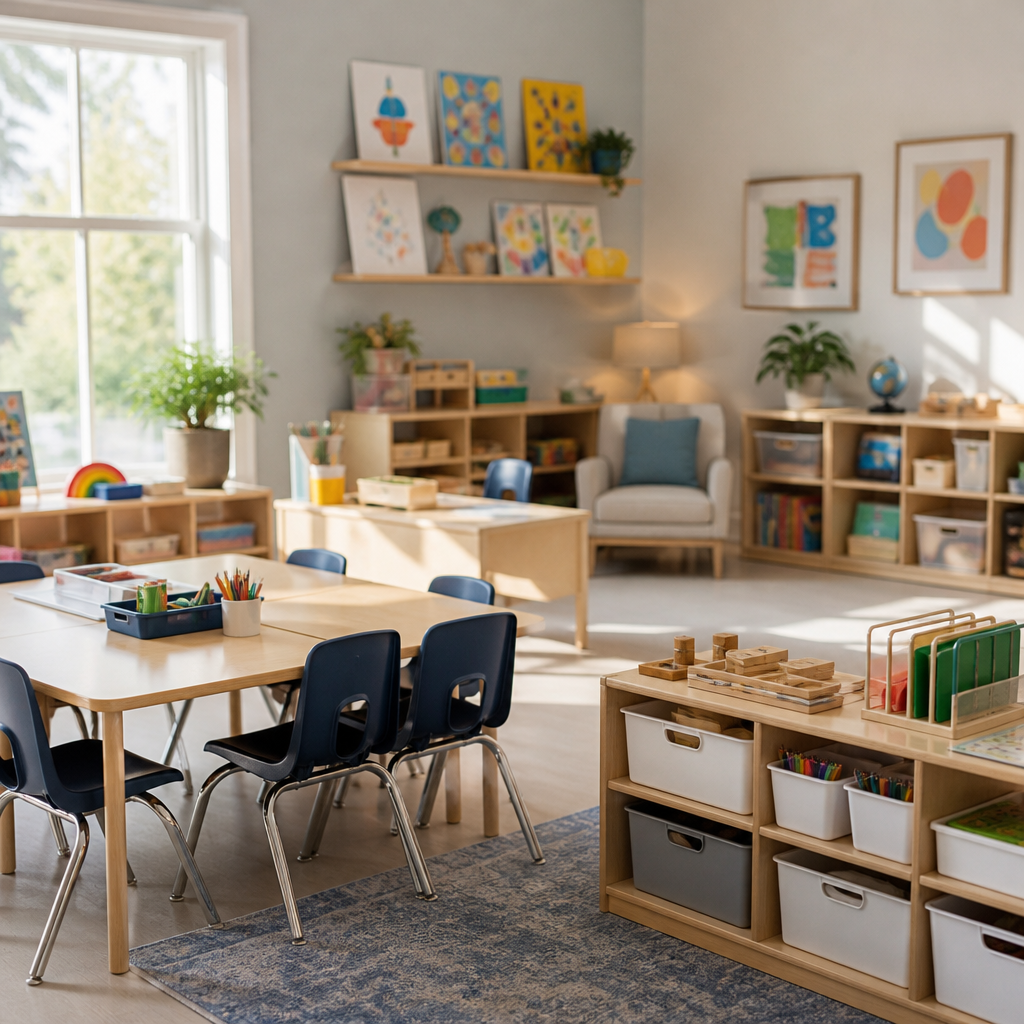
Teachers are often the first line of defense in identifying learning differences. By creating an inclusive and flexible classroom environment, educators can ensure that students with learning disabilities feel safe and supported rather than isolated or ashamed.
Implementing Differentiated Instruction
Differentiated instruction is the practice of tailoring teaching methods to meet the diverse needs of students. In a classroom with students who have learning disabilities, this might look like:
- Visual Aids: Providing diagrams, charts, and graphic organizers to complement verbal instruction.
- Multisensory Learning: Incorporating tactile and auditory elements into lessons—such as using physical manipulatives for math or listening to audio versions of reading assignments.
- Flexible Assessment: Allowing students to demonstrate their understanding in different ways, such as through oral presentations or video projects rather than traditional written tests.
- Breakdown of Tasks: Dividing large projects into smaller, manageable chunks to reduce feelings of overwhelm and help students track their progress.
Fostering a Growth Mindset
Students with learning disabilities often experience significant frustration, which can lead to low self-esteem and anxiety. Teachers play a pivotal role in countering this by promoting a growth mindset. By celebrating small victories and focusing on the process of learning rather than just the end result, educators can help students internalize the idea that with the right strategies, they are fully capable of overcoming their hurdles.
How Parents Can Advocate and Support at Home
Parents know their children better than anyone else. When a parent suspects that their child might have a learning disability, their role shifts from being a guardian to an advocate. Working collaboratively with the school is essential to ensuring that the student receives the necessary resources and accommodations.
Building a Partnership with the School
Communication is key. Parents should maintain an open, constructive dialogue with their child’s teachers. If an assessment is necessary, parents should understand their rights regarding specialized educational support, such as Individualized Education Programs (IEPs) or 504 plans in many educational systems. These formal agreements ensure that the child receives specific, legally mandated accommodations in the classroom.
Creating a Supportive Environment at Home
Learning does not stop when the final school bell rings. Parents can support their children by:
- Establishing Routines: Consistent daily routines help reduce anxiety and build organizational skills.
- Encouraging Strengths: Often, children with learning disabilities have unique talents in other areas, such as the arts, athletics, or problem-solving. Encouraging these passions boosts confidence and provides a necessary break from the academic subjects they find difficult.
- Being Patient and Empathetic: Acknowledge the child’s frustration without dismissing their efforts. Validate their feelings by saying, “I know this is difficult for you, and I am proud of how hard you are trying.”
- Promoting Self-Advocacy: As the child grows older, involve them in discussions about their learning style. Empower them to explain to their teachers what tools or strategies help them learn best.
The Importance of Professional Assessment
It is important to emphasize that an official diagnosis should only be made by qualified professionals, such as educational psychologists, neurologists, or clinical specialists. These assessments provide a clear picture of a student’s cognitive profile, highlighting both their areas of difficulty and their cognitive strengths.
This information is invaluable because it prevents “guessing” which interventions might work. Instead, it allows for a targeted, evidence-based approach to education. Parents and teachers should view the assessment process as a map that guides the way forward, rather than a label that limits the child’s future.
Conclusion: Empowerment Through Awareness
Learning disabilities present significant challenges, but they do not dictate a child’s future. With early recognition, supportive teaching methods, and strong parent-school collaboration, students with learning disabilities can achieve incredible things. The goal is not to “fix” the child, but to remove the barriers that prevent them from accessing their full potential.
By fostering a culture of empathy and adaptability, we ensure that every student, regardless of how they process information, has the opportunity to thrive. Education is a journey, and with the right support system, every student can reach the finish line, not by sprinting the fastest, but by utilizing the strategies that work best for their unique brain.
If you suspect a child is struggling, do not wait. Reach out, ask questions, and seek the necessary professional support. Every child deserves to feel the joy of academic success and the confidence that comes with knowing they are capable learners.
0 Comments