
The Impact of School Facilities on Academic Success and Student Well-being
The Essential Role of School Facilities in Student Success
When parents, educators, and administrators think about the quality of a school, the first things that often come to mind are the curriculum, the teacher-to-student ratio, or the school’s reputation for academic excellence. While these factors are undeniably critical, there is an often-overlooked element that plays a massive, foundational role in the learning process: the physical school environment. School facilities—the buildings, classrooms, labs, libraries, and outdoor spaces—are not merely containers for learning; they are active participants in the educational journey of every student.
Research has consistently shown that the physical condition of a school can have a profound impact on student attendance, teacher retention, and overall academic performance. When students walk into a well-designed, maintained, and resourced environment, it sends a clear message: that their education matters. Conversely, when facilities are neglected or poorly planned, it can create subconscious barriers to learning that even the most talented teachers struggle to overcome.
The Direct Connection Between Environment and Achievement
The impact of the built environment on learning is not just theoretical. Consider the basic necessities for cognitive performance: air quality, temperature control, and natural light. Poor ventilation, for instance, has been linked to higher rates of asthma, which leads to increased absenteeism. When children are not in class because they are ill due to environmental factors, their academic trajectory suffers. Similarly, studies have indicated that students in classrooms with ample natural light tend to score higher on standardized tests than those in windowless or dimly lit rooms. These physical realities shape the daily experiences of students in ways they may not even consciously recognize.
The Role of Ergonomics and Comfort
Comfort is another vital, often underestimated aspect of classroom design. Ergonomically designed furniture that is appropriate for the student’s age range, effective acoustics that reduce background noise, and manageable class sizes for the square footage provided are all fundamental. When students spend hours each day in uncomfortable, cramped, or overly noisy spaces, their ability to concentrate diminishes. The cognitive load required to manage discomfort takes away from the cognitive capacity needed to master complex academic subjects.
Modernizing Classrooms for 21st-Century Learning
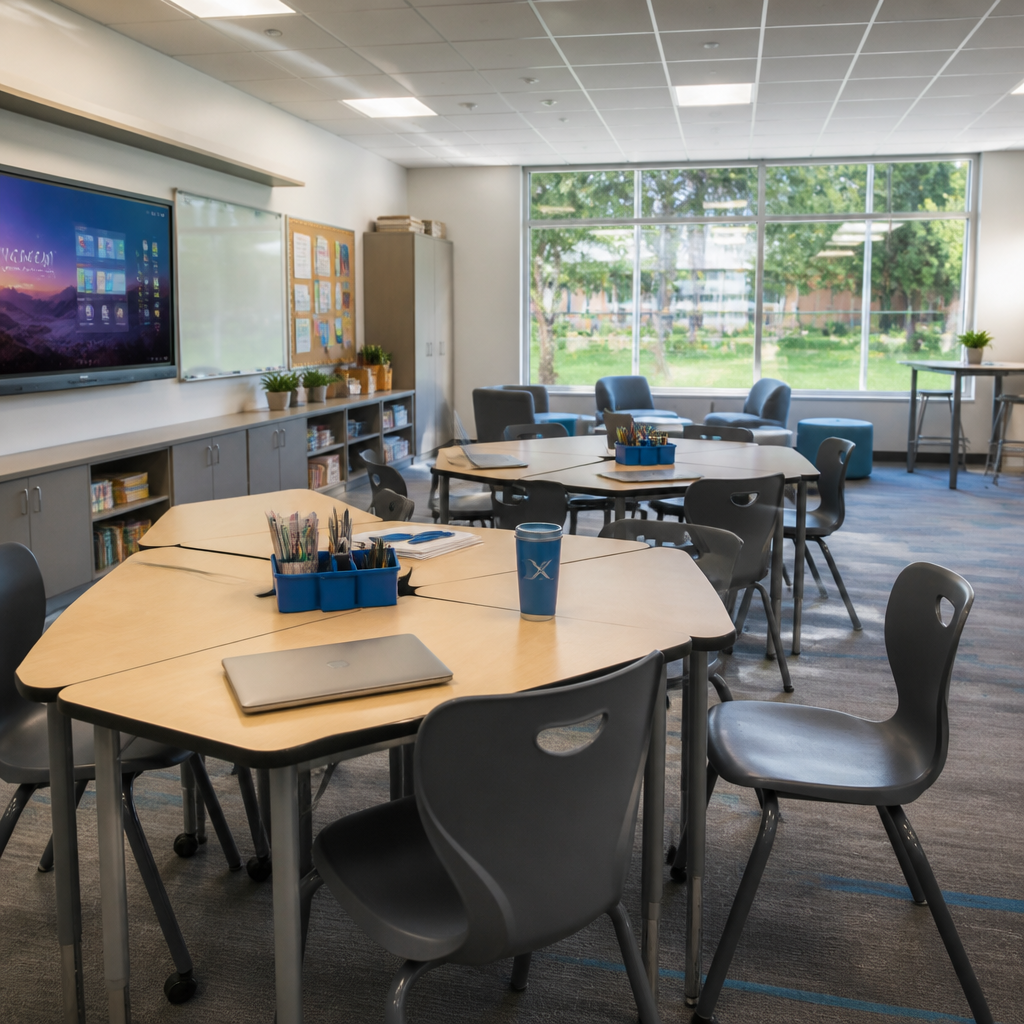
Education is no longer limited to the traditional “lecture and listen” model. Modern pedagogy emphasizes collaboration, critical thinking, and the use of integrated technology. Therefore, the physical school must be flexible enough to support these diverse learning modalities. The static, rows-of-desks layout of the past is increasingly being replaced by modular spaces that can be reconfigured in minutes to accommodate small group work, project-based learning, or individual study.
- Collaborative Hubs: Schools are increasingly investing in open-plan areas that encourage group interaction and peer-to-peer learning, mirroring professional work environments.
- Integrated Technology: Proper infrastructure, including high-speed internet access throughout the campus and power sources that are accessible within learning zones, is essential for digital literacy.
- Dedicated Maker Spaces: These areas allow for hands-on, experiential learning in STEM (Science, Technology, Engineering, and Mathematics) fields, which cannot effectively happen in a traditional textbook-only environment.
- Quiet Zones: Even in active, collaborative schools, having designated quiet spaces for independent reading and reflection is crucial for mental well-being and deep work.
The Significance of Outdoor Spaces and Biophilic Design
The school facility does not stop at the classroom door. Outdoor spaces, including playgrounds, gardens, and athletic fields, are essential extensions of the learning environment. Biophilic design—the practice of incorporating natural elements into the built environment—has been shown to reduce stress, lower blood pressure, and improve mood in both students and staff. When students have access to well-maintained green spaces, they have an outlet for physical activity, which is proven to improve focus upon returning to the classroom.
Furthermore, school gardens are increasingly being used as outdoor classrooms. They provide tangible, living laboratories where students can learn about biology, ecology, nutrition, and environmental science. By integrating these spaces into the broader school facility plan, administrators can provide a more holistic educational experience that recognizes the importance of physical movement and connection to nature.
Safety, Security, and Student Well-being
Beyond academic performance, the primary responsibility of any school facility is the safety and security of its occupants. A school must be a sanctuary where students feel secure enough to take the intellectual risks required for deep learning. This involves physical safety measures, such as secure entry points, disaster-resilient construction, and fire safety, but it also extends to psychological safety.
Facility design can contribute to a sense of belonging and community. Well-lit hallways, organized common areas, and spaces that celebrate student artwork and achievements create an environment where students feel valued. A school that looks and feels like a community hub fosters a sense of pride and ownership among the student body. When students take pride in their school, they are more likely to respect the facilities and contribute to a positive school culture.
Sustainability as a Pedagogical Tool
As we face global environmental challenges, school facilities offer a unique opportunity to teach by example. Modern, sustainable school design can serve as a “living building,” where the facility itself becomes a tool for teaching energy efficiency, water conservation, and waste management. Solar panels, rainwater harvesting systems, and recycled building materials are not just eco-friendly choices; they are visible reminders of the importance of sustainability. When schools operate sustainably, they teach students about their responsibility to the planet, reinforcing the lessons taught in environmental science curricula.
The Challenges of Facility Management and Investment
Admittedly, upgrading school facilities is an expensive and logistically challenging endeavor. Many older school systems struggle with crumbling infrastructure, outdated technology, and a lack of funding for necessary renovations. However, viewing these upgrades purely as a cost rather than an investment is a mistake. The long-term costs of neglecting facilities—in the form of lower academic achievement, higher teacher turnover, and expensive emergency repairs—far outweigh the cost of proactive maintenance and modernization.
School boards and administrators must prioritize facility investment by creating long-term master plans. These plans should involve input from teachers, who understand the day-to-day challenges of their classrooms, and parents, who have a vested interest in the quality of their children’s environment. Transparency in how these funds are allocated and the demonstrable impact of these upgrades on student outcomes are key to building community support for these investments.
Conclusion: Creating Environments That Inspire
The architecture of education is as influential as the curriculum taught within it. While dedicated teachers and well-crafted lesson plans are the heart of a school, the facilities provide the essential support system that allows that heart to beat effectively. By prioritizing flexible classrooms, natural light, safe and secure environments, and sustainable design, schools can create spaces that do more than just house students; they inspire them.
As we continue to evolve our understanding of how students learn best, our physical school environments must evolve with us. Investing in our schools is, ultimately, an investment in our collective future. By creating environments that are welcoming, technologically advanced, and ecologically responsible, we are providing the next generation with the foundation they need to thrive in an increasingly complex and interconnected world.
0 Comments