
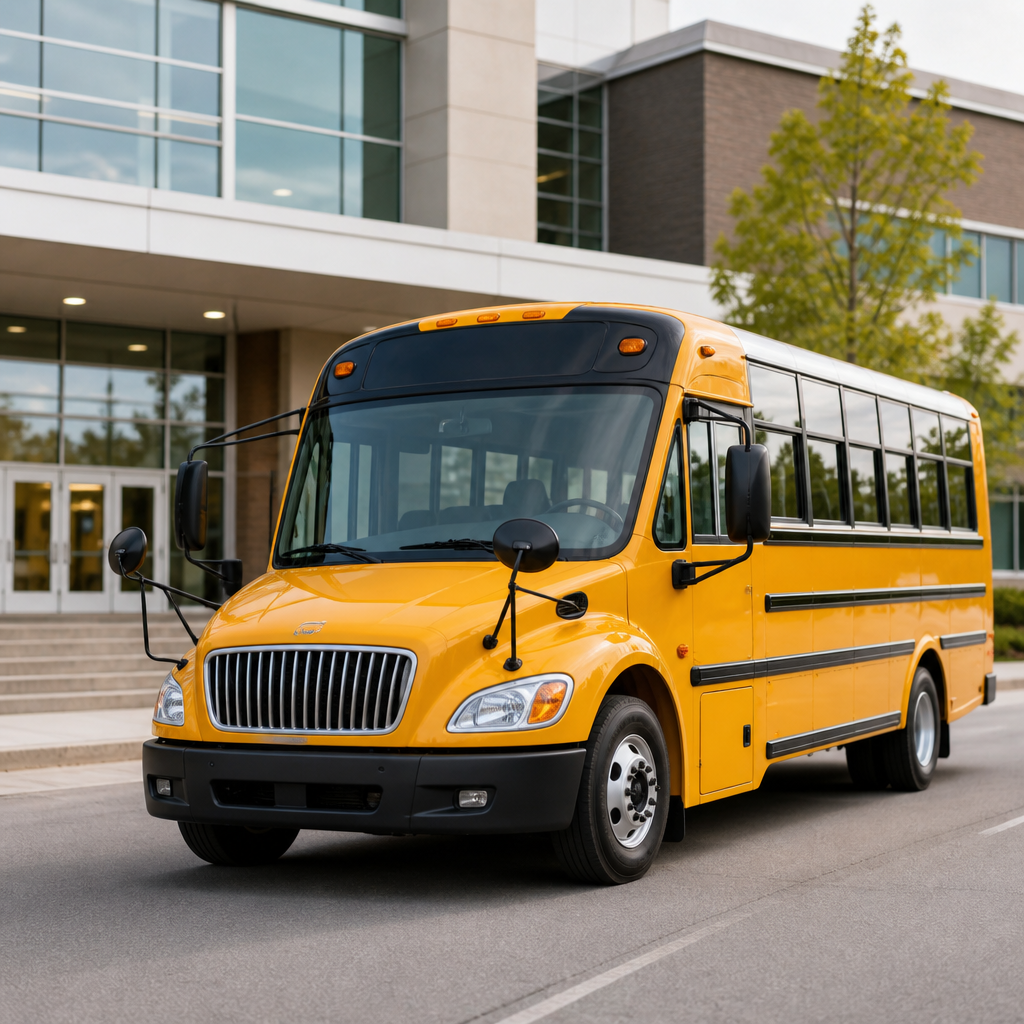
Understanding School Transportation Regulations: A Parent’s Guide to Safety and SAPAND Compliance
For parents, the safety and reliability of their children’s daily commute to and from school is a top priority. When school buses or dedicated student transportation services are involved, the peace of mind that comes from knowing a child is in professional, regulated hands is invaluable. In recent years, systems like SAPAND (the Student Transportation Monitoring System) have been introduced to formalize and secure this process. Understanding the requirements for school transportation services, as well as the significance of official permits and identification, is essential for every parent navigating the school year.
The Importance of Regulated School Transportation
School transportation is more than just a logistical convenience; it is an extension of the school environment. The transition between home and the classroom should be smooth, predictable, and, above all, safe. When transportation is handled through unregulated or informal channels, parents lack visibility into driver background checks, vehicle maintenance standards, and safety compliance. By utilizing official, registered transportation services, schools and local authorities can ensure that every vehicle meets specific safety criteria and every driver is vetted.
Regulated systems, such as SAPAND, exist to bridge the gap between schools, transportation companies, and parents. These platforms provide a digital infrastructure to track students, monitor routes, and ensure that only authorized vehicles and drivers are serving students. This transparency is critical for accountability. It ensures that if an issue arises, there is a clear chain of command and a record of the service provided.
Understanding the SAPAND System
SAPAND is a specialized monitoring and management system designed to bring order to student transportation. Its primary goal is to organize the complex network of student commuting, ensuring that every vehicle operating under this banner adheres to strict national standards. For parents, this means a higher level of assurance regarding the quality and safety of the service their child receives.
The system integrates multiple stakeholders, including transportation companies, schools, parents, and government oversight bodies. It allows for the digitalization of contracts, ensuring that all necessary permits are valid and up to date. Furthermore, it helps standardize the pricing and service levels, preventing the confusion that can occur with ad-hoc arrangements.
Key Features and Benefits of SAPAND
- Safety Monitoring: Regular checks on vehicle safety features and driver certifications ensure that standards remain high.
- Centralized Database: A unified platform where parents and school administrators can verify the status of transportation services.
- Transparency: Clearly defined routes, schedules, and vehicle assignments reduce uncertainty for families.
- Accountability: Each vehicle is registered and linked to a specific service provider, making it easier to address concerns or complaints.
The Role of the Official Transportation Label (Badge)
One of the most visible signs of a safe and compliant school transportation service is the presence of an official permit or label, often referred to as the “service badge.” This is not merely a decorative sticker; it is a regulatory requirement that signifies the vehicle has undergone the necessary inspections and holds the appropriate licenses to transport students.
When a vehicle displays this badge, it informs parents and authorities that the driver has cleared mandatory background checks, including criminal record screenings and driving license verifications. It also serves as proof that the vehicle itself has passed technical safety inspections, ensuring that seatbelts, doors, and fire safety equipment are in working order.
Parents should always be vigilant about these labels. If a vehicle used for school transportation lacks the proper credentials, it is a significant red flag. Choosing a service without these markers means bypassing the safety nets put in place to protect the most vulnerable passengers.
What Should Parents Look for When Selecting Service?
Choosing the right school transport is a decision that impacts your child’s daily routine. While schools often handle the primary coordination, parents should feel empowered to ask questions and verify details. Here is what to consider when evaluating a service:
Verification of Licenses
Never hesitate to ask the school administration or the transportation company representative to confirm that the driver and vehicle are officially registered. In systems like SAPAND, this verification is often accessible through a web portal or application provided by the school.
Driver Professionalism and Conduct
The temperament and professional history of the driver are just as important as the mechanics of the vehicle. A professional driver understands the responsibility of transporting children, maintains a clean driving record, and adheres strictly to traffic laws. They should be punctual, patient, and able to manage a group of students effectively during the commute.
Vehicle Condition
Take a look at the vehicle used for your child’s route. Is it well-maintained? Does it have functioning seatbelts? While you may not be able to perform a full technical inspection, basic observations regarding cleanliness and general condition can give you an indication of how much the service provider values safety and professional standards.
Communication Channels
A reliable service provider will have clear, open lines of communication. You should know how to contact the driver or the supervisor in case of unexpected delays or emergencies. If a provider is difficult to reach or provides vague answers, it may be a sign of poor organization.
Building a Partnership Between Schools and Families
The success of any student transportation system relies heavily on the partnership between school administrators, parents, and the transport providers. Schools play a critical role in enforcing policies, vetting the companies they work with, and keeping parents informed about their rights and the available resources.
Parents can contribute to this ecosystem by being proactive participants. Attending school meetings regarding transportation, providing feedback on the service, and ensuring their children understand the rules of conduct on the bus can go a long way in making the daily commute safer and more enjoyable for everyone.
When parents and schools prioritize compliance with systems like SAPAND, it fosters an environment where safety is proactive rather than reactive. It reduces the stress associated with daily school runs and builds trust within the school community. Ultimately, a well-run transportation service allows students to arrive at school ready to learn and return home ready to relax, without the anxiety of an uncertain commute.
Addressing Common Concerns
It is natural for parents to have concerns, especially when introducing new systems or policies. Some parents might worry about the cost or the complexity of using a formal system. However, the costs associated with regulated services are generally an investment in safety and reliability. Unlike informal arrangements, official services are bound by contract to uphold specific service levels, providing recourse if those standards are not met.
Another common concern is the rigidity of the schedule. While official routes are indeed more structured, this structure is what allows for efficiency and safety. It ensures that students are picked up and dropped off in a predictable manner, which is essential for managing the logistics of dozens or hundreds of students across a city.
If you encounter issues, the best course of action is to communicate through the established channels. Document the problem, speak with the school’s transportation coordinator, and if necessary, use the feedback mechanisms built into the monitoring platforms. By engaging with the system properly, parents can help identify areas for improvement and ensure that the service remains high-quality for all students.
Conclusion
The safety of our children is paramount, and every step taken to regulate and monitor school transportation is a step toward a better educational experience. By understanding the requirements, such as the importance of official badges and the role of systems like SAPAND, parents can take an active role in safeguarding their children’s commute. Don’t underestimate the power of being an informed parent. When you take the time to verify the service provided by your school, you are investing in the peace of mind that allows you to focus on what truly matters: supporting your child’s educational journey and overall well-being throughout the school year. Stay vigilant, stay informed, and always advocate for the highest standards of safety for all students.
0 Comments