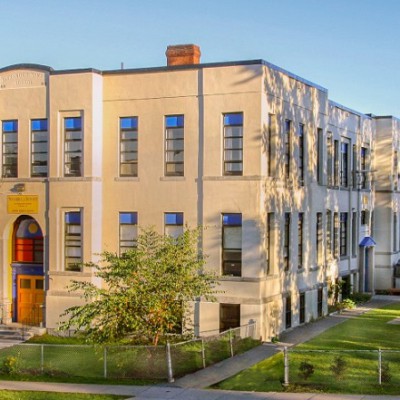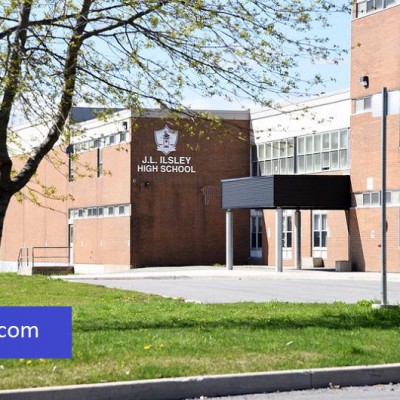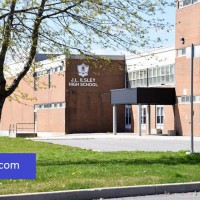

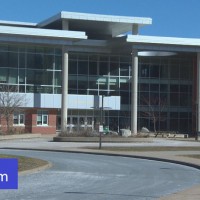
Located in the heart of Halifax, this dynamic high school boasts a modern, energy-efficient building designed to provide a comfortable and inspiring learning environment. Enhanced insulation throughout the walls and roof exceed national standards by significant margins, ensuring reduced heat loss and improved energy conservation. Large spectrally coated windows allow abundant natural light while managing solar heat gain, contributing to sustainable climate control within the campus.
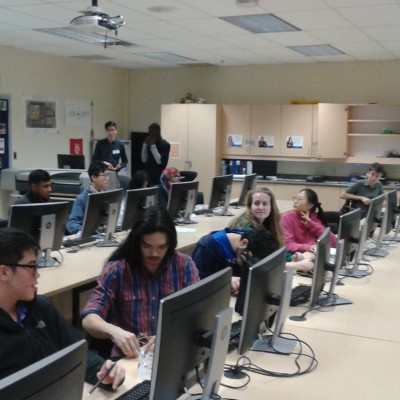
The school houses 60 versatile teaching spaces that accommodate a broad spectrum of academic disciplines, including specialized biology, chemistry, and physics laboratories. Cutting-edge computer labs support digital literacy, while dedicated spaces for hands-on learning such as woodworking and family studies kitchens encourage creativity and skill development. Artistic expression is fostered through two art studios and an adjoining drama room connected to the Spatz Theatre auditorium, supporting an active performing arts culture.
Accessibility and safety are top priorities, with features such as a fully operational elevator and advanced fire safety systems including ceiling-mounted strobe alarms and secure stairwell shelters. The spacious 4,800-square-foot cafeteria, known as the Portia White Atrium, provides a welcoming social hub for students and staff alike.
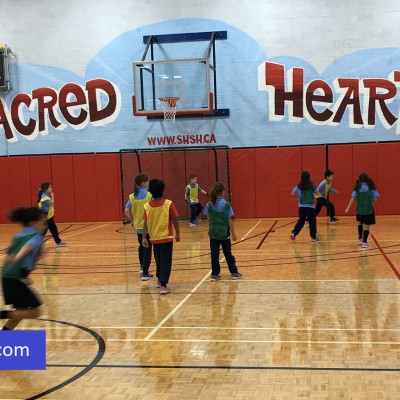
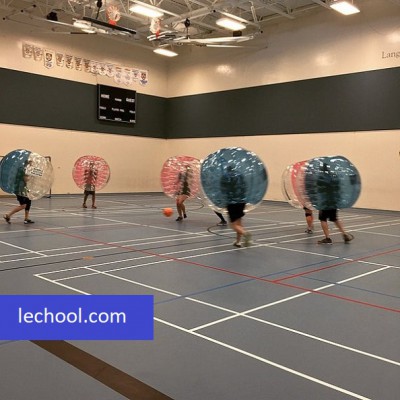
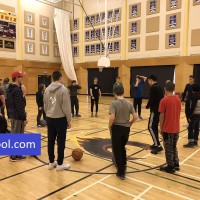
Sports enthusiasts benefit from athletics facilities, including the expansive Wilson's Gymnasium. This 10,500-square-foot gymnasium, named in recognition of community support, accommodates a diverse range of competitive and recreational sports, promoting a healthy, active lifestyle among students.
The school library is a resource center with over 10,000 volumes, offering students vast resources to support research, reading, and independent study in a quiet, focused environment.
📚 Academic Programs and Curriculum
This institution offers standard and International Baccalaureate (IB) programs, alongside diverse and inclusive curricula that challenge students. It offers a comprehensive French immersion program, enabling students to pursue fluency across multiple subjects and earn a provincial French Immersion Certificate upon graduation. This bilingual education enriches cultural awareness and enhances global readiness.
Uniquely, the school embraces Nova Scotia's cultural heritage by offering Nova Scotian Gaelic language courses. Supported by the Department of Education, this program encourages preservation and celebration of Gaelic traditions. Students engage in a vibrant Gaelic student society, “An Dùn,” which hosts events and concerts that spotlight the region’s cultural identity.
Beyond language arts, the school delivers programs in mathematics, social studies, arts technology, and English, supported by a teaching staff. Faculty members maintain communication channels to support continual student growth and success.
Additional student supports and programs include African Nova Scotian Student Support, the Halifax Regional Arts partnership, SchoolsPlus, tutoring services, and various clubs and committees.
🎭 Arts and Extracurricular Excellence
The performing arts thrive here, with a rich legacy of musical productions that engage both students and the community. Annual shows have included celebrated titles such as Beauty and the Beast, Jesus Christ Superstar, and Fiddler on the Roof. These productions nurture talents in acting, singing, stagecraft, and technical theatre, while fostering teamwork and confidence.
Visual arts also flourish in the dedicated studios, allowing students to explore a variety of mediums and techniques under expert guidance. The integration of artistic opportunities complements academic growth and supports well-rounded student development.
⚽ Athletics and Physical Education
Physical education and competitive sports play a central role in student life, promoting wellness, discipline, and community spirit. Programs cover a wide assortment of activities such as football, rugby, baseball, badminton, volleyball, track and field, skiing, snowboarding, and cross country. These offerings encourage participation at all skill levels, from casual fitness to competitive interscholastic teams.
With access to gymnasium facilities and outdoor sports fields, students receive coaching and opportunities to showcase their athletic abilities in local leagues and tournaments.
💡 School Highlights and Community Impact
Known as the home of the Phoenix and featuring the Spatz Theatre, this public high school emerged from the fusion of two historic Halifax schools and carries forward a tradition of community engagement and educational innovation. Since opening its doors in 2007, it has become a hub for inclusive learning and cultural enrichment in the region. The integration of building technology reflects a commitment to sustainability, while diverse programming demonstrates responsiveness to evolving educational needs.
The strong emphasis on language immersion, cultural programming, and performing arts distinguishes the school as a vibrant centre for both academic achievement and personal growth. Engagement with local heritage, through Gaelic language revival and performing arts, adds a distinctive dimension that nurtures pride in identity and community connection.
🌟 Conclusion
This high school in Halifax offers an education experience marked by modern facilities, diverse academic pathways including International Baccalaureate (IB) courses, and vibrant extracurricular opportunities. It caters to students seeking a balanced education that values academic success, cultural awareness, artistic expression, and physical health. With a dedicated staff, supportive environment, and forward-thinking infrastructure, the school stands as a beacon of secondary education, preparing learners for future challenges while celebrating the unique heritage of Nova Scotia.
When evaluating educational options, families often consider factors such as academic pathways, extracurricular breadth, and facility accessibility to ensure a supportive environment for adolescent development. Reviewing a prospective campus involves examining how well classroom resources, science laboratories, and physical education spaces align with student interests and learning styles. Additionally, investigating the availability of specialized programs like language immersion, arts integration, and student support services helps determine whether a campus can accommodate individual academic goals and personal growth. Touring facilities, observing daily routines, and understanding community engagement initiatives also provide valuable insight into the overall campus culture and operational standards, allowing parents and students to make informed decisions regarding secondary education.