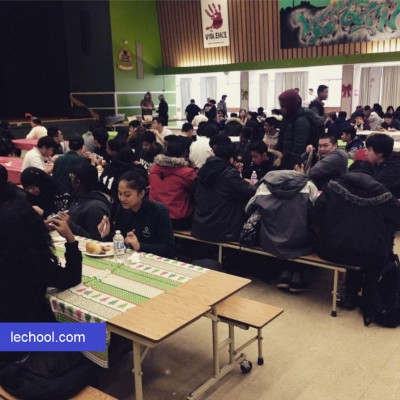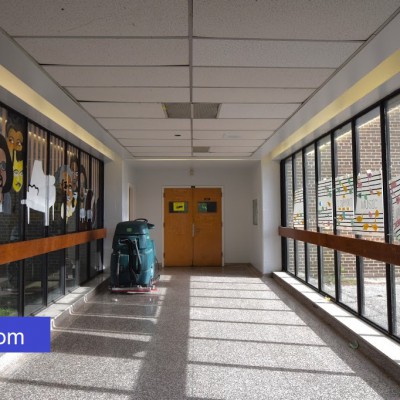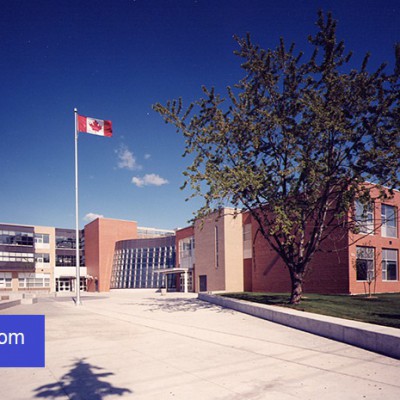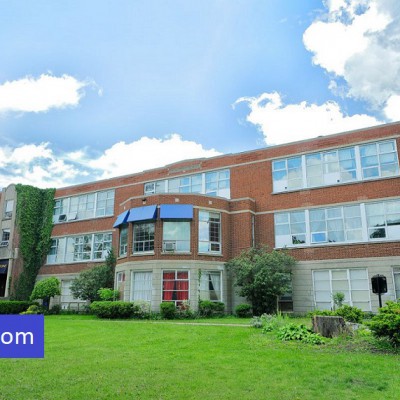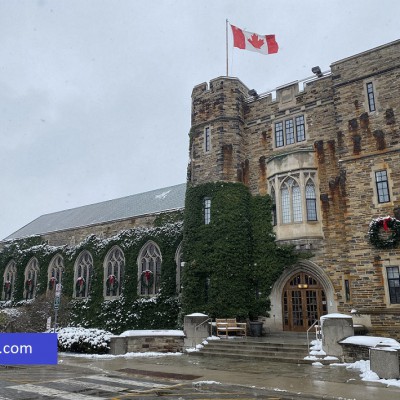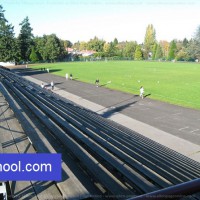


Eric Hamber Secondary School is a public secondary school located in the South Cambie neighborhood of Vancouver, serving approximately 1,500 to 1,700 students in grades 8 through 12. Founded in 1962 and named after Eric Hamber, a former Lieutenant Governor of British Columbia, the school fosters an inclusive and forward-thinking environment that values cultural diversity and emphasizes academic excellence alongside personal and social responsibility. The leadership team includes Principal Jason Lauzon and Vice Principals Tom Myring and Natasha Gates. Operated by the Vancouver School Board (VSB), admission generally follows VSB catchment policies, with specialized programs involving specific application or placement processes. As a public institution, there is no tuition for domestic students, while international student fees are set by the Vancouver School Board.
Academics and Enriched Learning Opportunities
The academic program offers a comprehensive curriculum designed to support diverse learning styles. Hallmark offerings include the Challenge Program, which provides an enriched pathway for high-achieving learners through accelerated courses in English, Social Studies, Science, and Mathematics, preparing students for advanced coursework and university-level studies. Complementing this, the Studio program provides a flexible and self-directed learning model suited for students who benefit from personalized instructional approaches.
Extracurriculars and Student Engagement
Student life includes a wide range of athletic programs, such as football and field hockey, alongside numerous student-led clubs encompassing debate, Model UN, and cultural or heritage clubs. These activities encourage participation in school and community initiatives, supporting student involvement outside the classroom.
Core Values and Community Environment
Emphasizing environmental stewardship and social responsibility, the school integrates sustainability into everyday practices. Through collective efforts and community engagement, learners build accountability and leadership skills that extend throughout their educational journey.
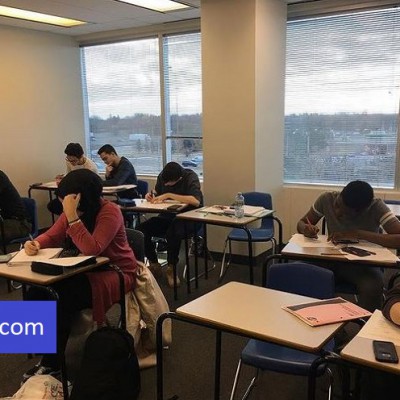
To help manage rigorous academic workloads, such as those found in enriched programs and advanced coursework, students often benefit from developing a structured weekly study plan. Establishing a consistent routine allows learners to balance daily homework, long-term assignments, and extracurricular commitments effectively. Creating an actionable schedule involves breaking larger projects into manageable tasks, designating specific times for review, and incorporating regular breaks to maintain focus and retention. Prioritizing subjects based on upcoming deadlines and personal learning needs ensures steady progress throughout the school year. By dedicating specific blocks of time to academic review within a predictable framework, students can reduce stress, improve time management skills, and foster greater independence in their educational pursuits.