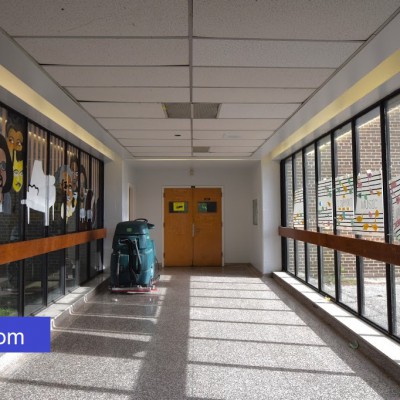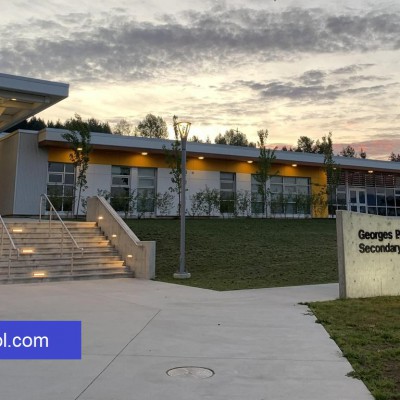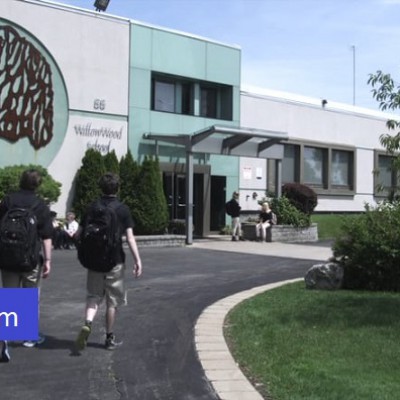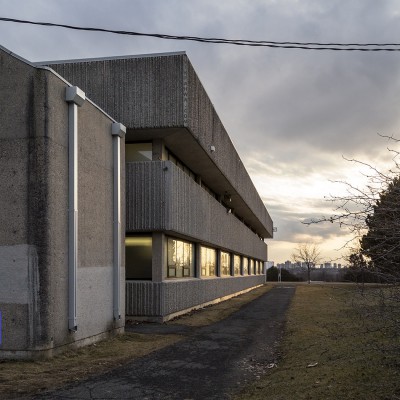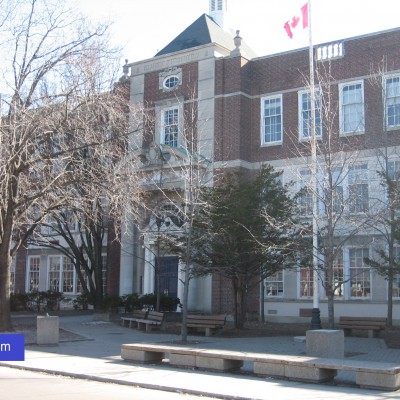

Located in Toronto, this secondary school is part of the Toronto District School Board. Established in the late 1920s and designed by the Toronto architectural firm Craig and Madill, the school has grown to become a large high school within the board. It combines a traditional setting with modern facilities, following a major reconstruction in the 1990s, providing an environment for students.
🎓 Academics & Programs
The academic offerings are structured to support a diverse student body with a variety of interests and aspirations. Among the programs is the Claude Watson Arts Program, initiated in 1982, which provides specialized training in dance, drama, music, film arts, and visual arts, fostering creativity and development in the performing and visual arts. Beyond the arts, the school maintains a comprehensive academic focus with courses across departments such as sciences, humanities, business, computer science and engineering, mathematics, modern languages, technological studies, co-op and experiential learning, and special education, preparing students for post-secondary success.
🎭 Arts & Extracurriculars
Creativity is integrated into the educational community through opportunities beyond the classroom. The Claude Watson Arts Program serves as a focal point for students focused on artistic disciplines, offering training and performance opportunities. Outside the arts, students can engage in various clubs, leadership initiatives, and events that cultivate teamwork, confidence, and personal growth. School spirit is embodied by the mascot, "The Carpe," a bluefish symbolizing the school's motto Carpe Diem—encouraging students to seize the day.
⚽ Sports & Athletics
Sports are a part of school life, supporting teamwork and physical well-being. The athletics program features a range of seasonal sports tailored for various abilities and interests. In the fall, students participate in golf, boys’ soccer, volleyball, cross country, basketball, field hockey, tennis, rugby, and ultimate frisbee. Winter months offer volleyball, basketball, alpine skiing, swimming, ice hockey, and indoor soccer. Spring sports include archery, badminton, cricket, dragon boat racing, baseball, flag football, rugby, soccer, softball, and co-ed volleyball. This schedule encourages active participation.
📜 History & Tradition
Established in 1928 and named in honor of Field Marshal The 1st Earl Haig, a British military leader during the First World War, the school carries a historical heritage. Since its first opening in 1930 as Earl Haig Collegiate Institute, it has expanded through building additions and reconstructions, prominently in the 1990s. This blend of historical legacy and updates has shaped a culture that honors tradition while accommodating contemporary education.
🌟 Notable Alumni & Achievements
The school has supported many alumni who have achieved recognition across diverse fields. From sports figures like Daniel Nestor and Dwight Powell to artists and entertainers such as Deborah Cox and Paul Gross, the community has produced figures that connect with current students. Graduates benefit from a scholarship program offering awards and financial assistance opportunities, supporting continued pursuits beyond graduation.
👪 Tips for Parents & Support
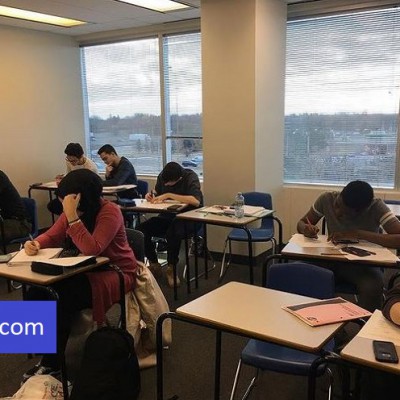
Parental involvement is noted as a factor in student success, and families are encouraged to support consistent study habits and organizational routines at home. Establishing dedicated study spaces, planning work ahead, and maintaining communication with teachers and school counselors support the learning experience. Support from home complements school resources, assisting students in developing responsibility, time management, and motivation.
🌈 Conclusion
This secondary school in Toronto functions as a comprehensive educational institution incorporating specialized arts and academic departments. With its established community, programs, and commitment to its motto, it provides an environment that accommodates student talents and prepares them for future endeavors. Registration information, registration guide brochures, and pre-registration forms are available for current and future academic years.
To help students maintain focus during demanding study sessions, educators and families often recommend establishing consistent daily routines and minimizing digital distractions in the study environment. Breaking larger assignments into smaller, manageable tasks and incorporating short, scheduled breaks can also prevent mental fatigue and sustain cognitive engagement over time. Creating a quiet, organized space free from household interruptions allows learners to process complex academic material more effectively, whether they are preparing for comprehensive examinations, practicing instrumental pieces, or completing technical design projects. Encouraging these intentional study habits supports the development of strong concentration skills, helping adolescents navigate rigorous academic coursework and balance their commitments across arts, athletics, and extracurricular pursuits.