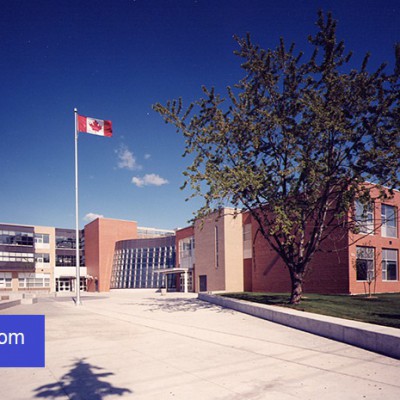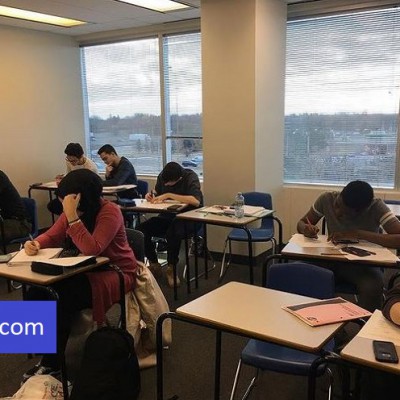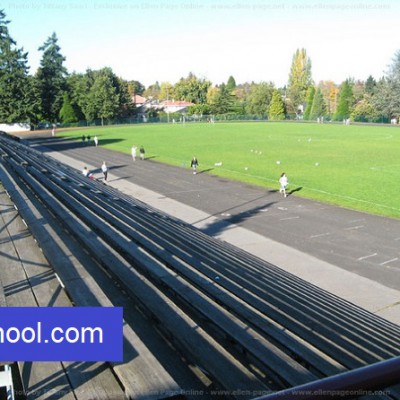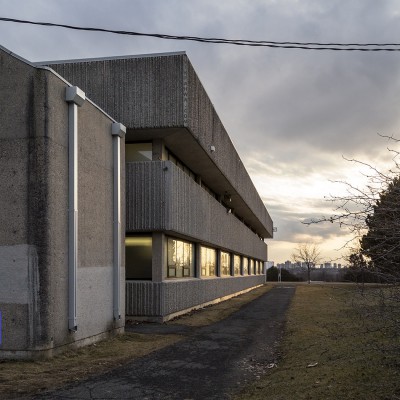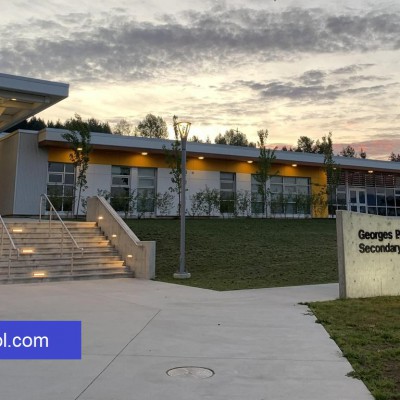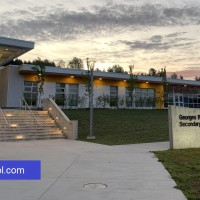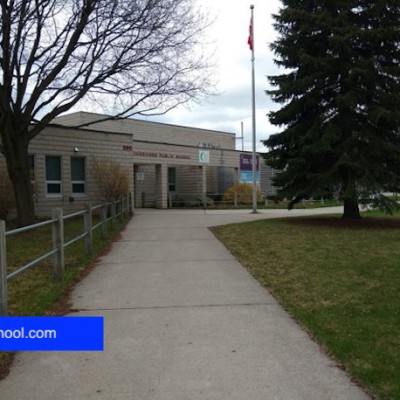


Located in the community of Toronto and operating under the Toronto District School Board, Newtonbrook Secondary School offers students an environment where academic studies meet athletic and artistic opportunities. Since opening its doors in 1964 in an event marked by Prime Minister Lester B. Pearson, the school has functioned as a diverse and inclusive institution that supports personal growth, leadership, and learning.
Academic Programs
Students participate in a curriculum designed to cover subjects including the arts, social and physical sciences, languages, mathematics, and business education. The Specialist High Skills Major (SHSM) program is available, providing focused pathways intended to prepare learners for post-secondary education, apprenticeships, or the workplace. Through this program, graduates can earn a diploma recognizing their specialized achievements.
Athletics and Physical Wellness
The school offers a broad spectrum of athletic opportunities throughout the academic year. Available activities span basketball, soccer, rugby, volleyball, skiing, swimming, ultimate frisbee, hockey, wrestling, baseball, softball, track and field, badminton, tennis, and water polo, encouraging students to participate in physical health and team sports.
Arts, Culture, and Student Life
The school provides opportunities for students to participate in dance, cheerleading, and various performing arts programs. These activities complement the academic and athletic offerings, contributing to student life within the school community.
Legacy and Community
Guided by the philosophy "To each according to his/her own talent," the school works to foster an environment where students are supported by staff. Its history and community connections have contributed to a tradition of alumni in various fields.
Integrating technology into the modern classroom offers valuable tools to enhance student engagement and support diverse learning styles across academic disciplines. Digital platforms and interactive resources allow students to access a wealth of research materials, collaborate on group projects outside of traditional classroom hours, and receive personalized feedback on their assignments. By utilizing digital applications and online libraries, learners can develop essential media literacy and technical skills that align with contemporary workplace and post-secondary expectations. Furthermore, educational software enables teachers to adapt instructional pacing and present complex concepts through visual and auditory mediums, ensuring that students have multiple pathways to comprehend and master the curriculum.