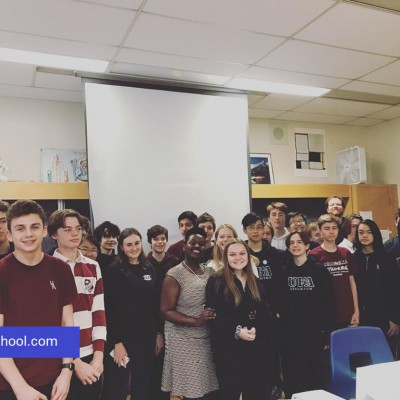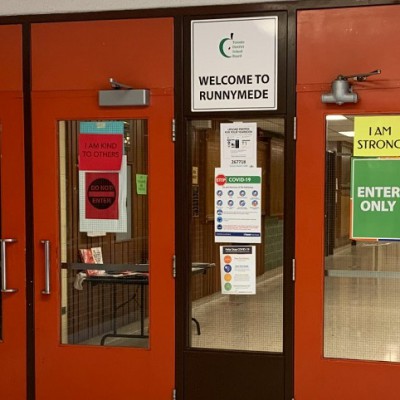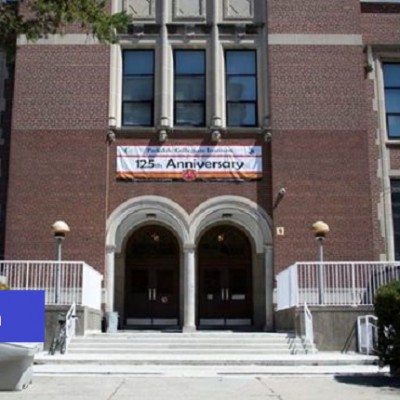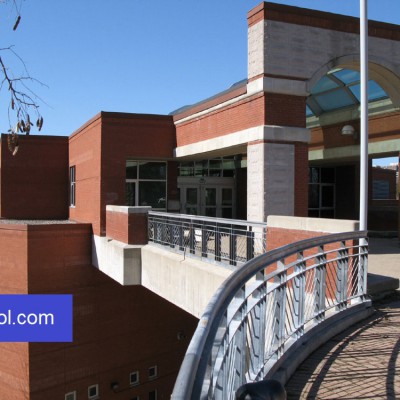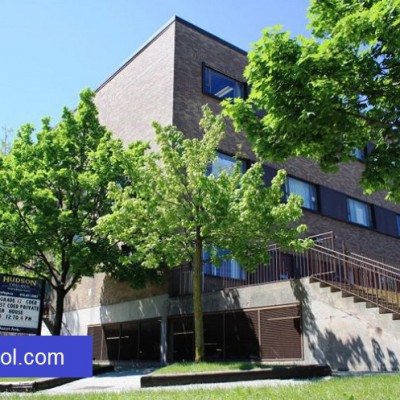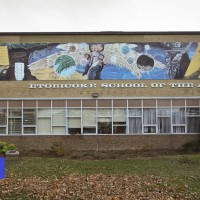


Located in Toronto, Etobicoke School of the Arts (ESA) offers an environment for aspiring young artists to grow academically and creatively from Grade 9 through 12. Founded on September 8, 1981, and led by Principal Dritan Bylykbashi, ESA is recognized as the oldest free-standing arts-focused high school in Canada. As a distinguished member of the Toronto District School Board, ESA serves talented students committed to excelling in their artistic disciplines while maintaining strong academic performance.
Specialized Arts Education
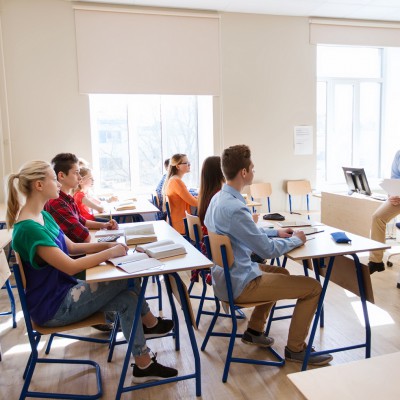
ESA provides an arts-focused curriculum that requires audition-based admissions, ensuring a dedicated community of passionate students. The school’s program integrates comprehensive arts training with academics to prepare graduates for success in post-secondary education within the arts or any other field. The curriculum is delivered on a unique two-day cycle with 4 year-long courses each day, giving students a balanced learning experience without semester breaks. Instruction is offered in both English and French.
Comprehensive Art Majors
ESA offers six specialized arts majors: Dance, Drama, Film, Instrumental Music, Music Theatre, and Contemporary Art. Music students benefit from a pedagogical approach that includes ensemble and solo performance, theoretical understanding, technical skill development, and music history, divided into Strings and Bands streams. The dance program offers training in ballet, modern, and jazz techniques, emphasizing performance, choreography, anatomy, conditioning, and dance history, complemented by extracurricular groups such as 'DancESAtion' and 'Refresh'.
Support Services and Learning Resources
ESA’s library serves as a hub for research, exploration, and academic support, housing over 18,000 books, desktop computers, and Chromebooks accessible for student use. Facilities include a seminar room, conference room with presentation technology, and the Walden Room designed to support wellness and focus. The library offers online subscription databases, printing and photocopying, and a borrow bin for educational supplies. To support student achievement, the school also provides Special Education, a Student Success program, and peer tutoring.
Academic Structure
Students undertake eight year-long courses in Grades 9 and 10, refining both their artistic and academic abilities. Grade 11 students typically enroll in seven or eight courses, while Grade 12 students focus on six courses, allowing more time for specialized artistic development and post-secondary preparation. This consistent year-long format encourages deeper learning and mastery.
Notable Alumni
ESA proudly counts among its graduates a remarkable group of artists who have made significant contributions to music and the arts, including Juno Award nominees and internationally recognized performers such as Allie X, Emily Haines of Metric, Kevin Drew of Broken Social Scene, Fefe Dobson, and Barbara Hannigan. These success stories exemplify the school’s commitment to nurturing talent.
Connecting with ESA
Engage with the school community online through their active social media channels: Twitter @esaevents and Facebook @EtobicokeSchooloftheArts.
School Spirit
The eagle mascot symbolizes strength, vision, and seizing opportunities – qualities reflected in ESA’s commitment to empowering each student in both artistic and academic endeavors.
Conclusion
Etobicoke School of the Arts stands as a beacon for creative youth seeking an environment that balances arts training with academic excellence. Its specialized programs, faculty, extracurricular opportunities, and supportive community prepare students to succeed in their chosen artistic fields and in any career path they pursue.
Within specialized educational environments, the development of strong social skills plays a vital role in student growth, particularly in collaborative fields like the arts. Interpersonal communication, empathy, and teamwork are essential when students engage in group performances, collaborative film projects, or ensemble music rehearsals, where shared creative visions require cooperation and active listening. Beyond the studio and stage, positive social interactions foster a supportive school climate that enhances peer relationships and emotional well-being. Navigating group dynamics helps students build conflict-resolution abilities and adaptability, preparing them to work effectively with diverse teams in future academic and professional settings. By integrating cooperative learning opportunities into daily routines, educational communities help students cultivate the interpersonal competence necessary for lifelong personal and professional collaboration.
Within specialized educational environments, the development of strong social skills plays a vital role in student growth, particularly in collaborative fields like the arts. Interpersonal communication, empathy, and teamwork are essential when students engage in group performances, collaborative film projects, or ensemble music rehearsals, where shared creative visions require cooperation and active listening. Beyond the studio and stage, positive social interactions foster a supportive school climate that enhances peer relationships and emotional well-being. Navigating group dynamics helps students build conflict-resolution abilities and adaptability, preparing them to work effectively with diverse teams in future academic and professional settings. By integrating cooperative learning opportunities into daily routines, educational communities help students cultivate the interpersonal competence necessary for lifelong personal and professional collaboration.