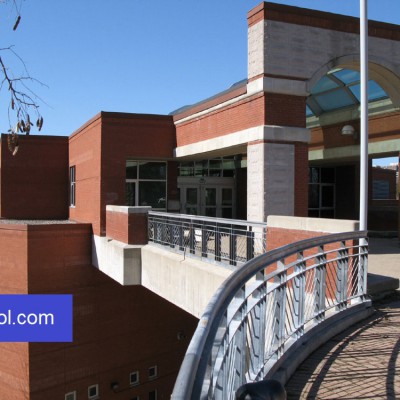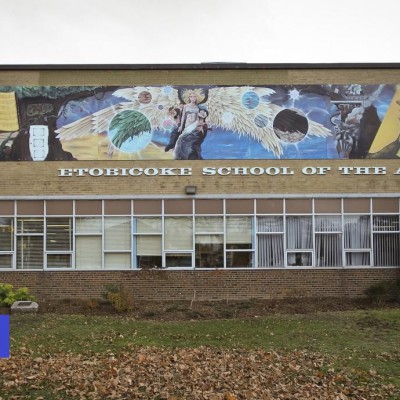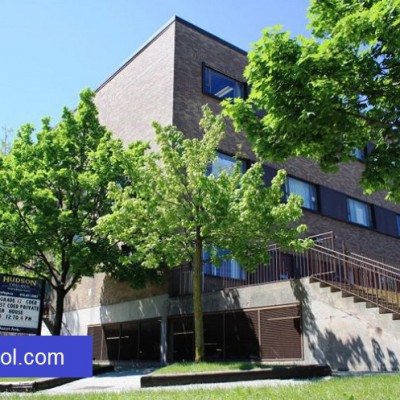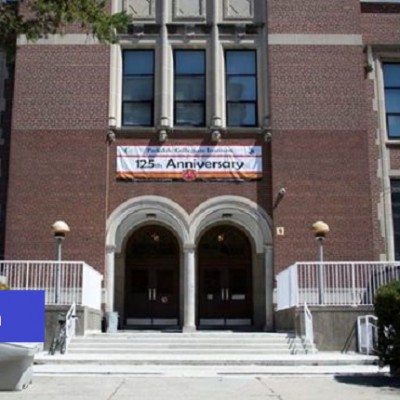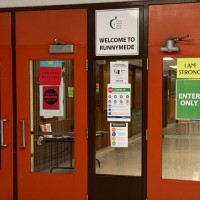


Nestled in Toronto’s west end, Runnymede Collegiate Institute offers a welcoming environment that blends historical significance with modern education. Founded in 1927 and led by Principal Albert Cho, the school serves a student body of around 500 students, cultivating a close-knit community where every individual is valued and encouraged to thrive. The sense of belonging is fostered through diverse extracurricular activities, inclusive clubs, and a culture of student involvement. Students benefit from personalized attention, supportive faculty, and a variety of opportunities to engage socially and academically within a culturally diverse urban neighbourhood.
Academic Excellence and Programs
The school maintains a tradition of academic offerings designed to prepare students for post-secondary education and future careers. The curriculum includes specific offerings such as the STEM@RUNN program, Specialist High Skills Major (SHSM) in Information and Communications Technology, and Specialist High Skills Major (SHSM) in Justice, Community Safety and Emergency Services. Additional academic offerings include Instrumental Music Performance, Visual/Digital Media Arts, Dance, Musical Theatre, Drama, Vocal, Communications Technology program, Co-operative education, Computer technology, Modern languages, and Music. Emphasis is placed on developing well-rounded individuals equipped with essential life skills, intellectual curiosity, and social responsibility.
Student Activities and Clubs
A selection of extracurricular options empowers students to explore interests beyond the classroom. The school is home of the Ravens and boasts the award-winning FIRST Robotics Team 1310, alongside a rich history of athletics featuring more than 20 teams each year, including sports such as soccer, volleyball, basketball, hockey, and track and field. Other popular clubs include the Environmental Club, Mental Health and Wellness Club, Me to We Club, and the Black Students Association. These opportunities promote leadership, teamwork, wellness, and cultural exchange, enhancing student engagement and personal growth. The arts and dance programs further enrich campus life, providing creative outlets for expression and community celebration.
Notable Alumni and Legacy
Over the decades, the school has nurtured many accomplished individuals who have contributed to society in various fields. Esteemed alumni include prominent leaders in science, politics, sports, and the arts, such as university presidents, national political figures, professional athletes, renowned journalists, and celebrated performers. Their successes reflect the institution's history and role as a cornerstone of Toronto’s educational landscape.
Educational Philosophy and Goals
Runnymede Collegiate Institute is proud of its culturally diverse community where rights, respect and responsibility are valued and where learning and teaching in a safe environment are top priorities. The school operates under the motto Vestigia Nulla Retrorsum (No Steps Backward). Educational initiatives encourage self-directed learning and critical thinking, while fostering respect, cooperation, and empathy among students, teachers, and parents.
Summary
Rooted in nearly a century of educational tradition and community heritage, this Toronto-based secondary school combines a structured academic program with a campus culture. Its manageable size allows for personalized learning experiences, while its extensive extracurricular offerings cultivate well-rounded students. The school’s alumni and commitment to nurturing skills make it an option for families seeking high school education within Toronto’s multicultural setting.
Developing effective memory and learning strategies is an essential component of secondary education, helping students process complex subjects across disciplines like science, technology, and the arts. Cognitive research indicates that techniques such as spaced repetition, active recall, and connecting new concepts to existing knowledge significantly improve information retention and long-term understanding. By engaging in regular review sessions, teaching material to others, and utilizing visual aids or mind maps, learners can strengthen neural pathways associated with memory. Additionally, maintaining healthy daily habits, including adequate sleep, balanced nutrition, and consistent physical activity, supports overall brain function and cognitive performance. Integrating these study habits into daily academic routines empowers students to approach challenging coursework with confidence, reduce test-related anxiety, and build a solid foundation for post-secondary education and lifelong learning.