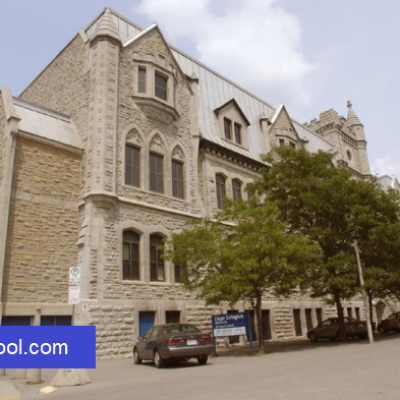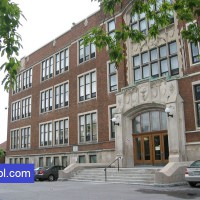
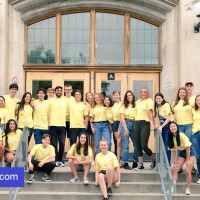
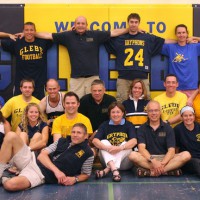
Located in Ottawa and governed by the Ottawa-Carleton District School Board (OCDSB), Glebe Collegiate Institute was founded in 1922 and stands out as one of the city’s largest secondary schools, welcoming approximately 1,500 students from grades 9 to 12 each year. Under the leadership of Acting Principal Christine Reynolds, the school is guided by the mission to “Strive for the heights” by celebrating human diversity in a culture of mutual respect and by seeking to improve the world through leadership, integrity, compassion, and a commitment to learning. Known for its vibrant community and rich history, this publicly funded school offers free education for residents within the school board jurisdiction and features a blend of academic programs, cultural diversity, and extracurricular opportunities.
📚 Academic Excellence and Programs
Serving students from grades 9 to 12, the school provides a comprehensive range of programs designed to meet diverse learning needs and interests. These include regular English courses, English as a Second Language (ESL), Extended French, French Immersion, Gifted Program, and Gifted Immersion French programs. The school also offers third-language options including German, Spanish, and Latin, enhancing global communication skills.
Specialized academic pathways include Co-operative Education, Bio-genetics, and a Technology Program featuring Communications and Design as well as Computer Engineering. Students can also take advantage of specialized support services and programs such as the Special Education Learning Centre, the Developmental Disabilities Program (DDP), the International Certificate Program (ICP), and Specialist High Skills Major (SHSM) offerings in Non-Profit Leadership and Sports. Additional student success supports include Credit Rescue and Credit Recovery programs.
The school’s language offerings equip graduates with the ability to engage with native speakers, foster continuous language improvement, and appreciate cultural diversity worldwide, reflecting a commitment to developing global citizens who value language acquisition as a vital skill.
🎨 Arts and Music Programs
The school boasts a music program featuring the percussion ensemble, Offbeat, which utilizes unconventional instruments such as trash cans, brooms, and water barrels. Glebe’s performing arts department enriches the community with drama and music productions, including improv teams that have reached the Canadian Improv Games National Finals.
Additionally, the Visual Arts, Drama, and Music programs (including Band, Vocal, Percussion, and Keyboard) offer students opportunities for creative expression and skill development. The music department’s international presence further emphasizes its activities, with student ambassadors receiving accolades abroad for their teamwork and musicianship.
⚽ Clubs, Athletics, and Extracurricular Activities
With over 35 intramural and interscholastic sports, Glebe is recognized in athletics, having been named “Sports School of the Year” four times over six years. The school’s robotics team competes internationally in the US FIRST Robotics Competition and secured the SKILLS Canada STEM & Controls championship in 2015. Additionally, the Reach for the Top trivia team won national championships during the 2020-2021 and 2021-2022 school years.
Students can engage in a variety of clubs and activities including camera, chess, ping-pong, Key Club, Amnesty International, anime, debating, international friendship, junior achievement, OSAID, and rowing. The environmental club participates in sustainability projects within the community.
This array of extracurriculars supports student life, fostering leadership, collaboration, and personal growth inside and outside the classroom.
🏫 Facilities and Resources
Blending early 20th-century architectural charm with modern amenities, the campus features science laboratories, an underground swimming pool, a spacious auditorium with balcony seating, a subbasement dedicated to orchestral music practice and storage, and a full-size playing field with track and field running facilities.
A rooftop greenhouse offers a hands-on learning environment for science enthusiasts. Technology access is supported with Wi-Fi coverage throughout the building and computer labs available to support students and faculty.
🌟 Notable Alumni
The school’s alumni network includes influential figures across various fields. Highlights include seven-time Grammy-winning singer Alanis Morissette, Hall of Fame hockey players Bill Cowley and Syd Howe, concert pianist Angela Hewitt, author Brian Doyle, and CBC news anchor Peter Mansbridge. Other graduates have made their mark in politics, literature, music, film, and sports.
💡 Study Tips for Success
Building effective study habits is essential for academic achievement. Celebrating small milestones through rewards can maintain motivation and encourage consistent effort. Actively engaging with material by asking reflective questions before, during, and after study sessions enhances understanding and retention.
Key questions to consider include: What am I about to learn? How does this fit within a larger context? Am I able to paraphrase and identify important concepts? What should I review next? Developing this mindful approach empowers students to maximize their learning potential.
📝 Admissions and Information
Interested families can contact the school or visit the OCDSB Registration Page for more information regarding enrollment. Course selection materials are sent to the email provided at registration.
In summary, this secondary institution in Ottawa offers a diverse educational experience that balances academics, arts, athletics, and extracurricular activities. Its commitment to fostering curious, engaged, and culturally aware students makes it a respected choice for families seeking education in the Glebe neighbourhood.
Maintaining consistency in education plays a vital role in helping students build lasting knowledge and develop effective long-term learning habits. When learners engage with their studies on a regular, predictable basis, they reduce cognitive overload and reinforce neural pathways associated with complex subjects like languages, sciences, and mathematics. Daily attendance, routine homework completion, and steady preparation for assessments prevent the stress of cramming and foster a deeper, more sustainable understanding of course material. This steady approach also translates well into extracurricular commitments, athletics, and the arts, where disciplined practice over time yields steady improvement and personal growth. By establishing predictable daily routines both inside and outside the classroom, educational communities provide the stable framework necessary for students to manage their responsibilities effectively, stay motivated throughout the school year, and build the resilience required for future academic and personal pursuits.
When evaluating educational options, families often benefit from considering how well a campus environment aligns with a student's individual learning style, academic interests, and extracurricular goals. Observing classroom dynamics, inquiring about support services, and reviewing the availability of specialized programs help parents and students determine if a particular institution provides the right balance of challenge and support. It is also helpful to look at the broader community culture, including opportunities for creative arts, athletics, and student leadership, which contribute significantly to personal development and social well-being. By taking the time to tour facilities, discuss course pathways with educators, and understand the range of daily student life experiences, families can make informed decisions that support long-term educational success and meaningful engagement.