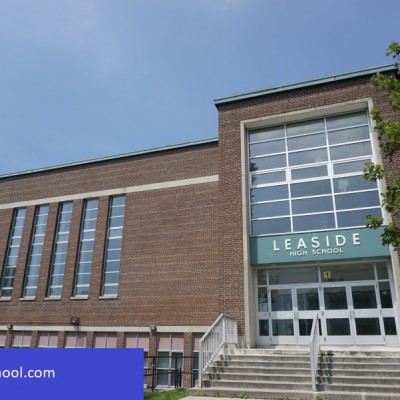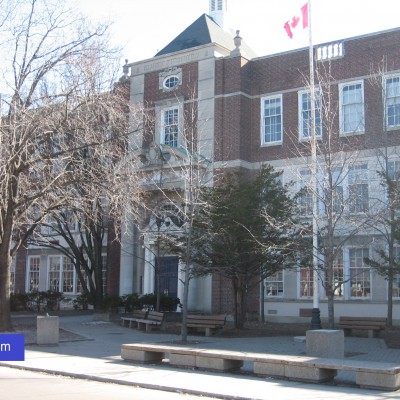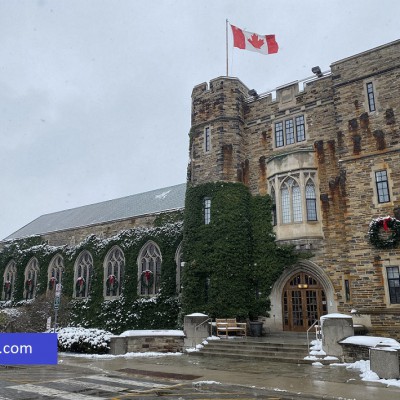


Located in the vibrant Midtown Toronto neighborhood of Yonge and Eglinton, this academic institution serves a diverse population of approximately 1,200 students from Toronto’s North region. The school community benefits from its prime urban setting, within easy access of the Eglinton subway station, fostering convenience and connectivity for families across the city. Students hail predominantly from nearby neighborhoods such as Chaplin Estates, Lytton Park, Mount Pleasant, Davisville Village, Bayview Avenue, Moore Park, and Lawrence Park, reflecting a blend of middle- to high-income communities.
The school’s inclusive atmosphere is supported by a district-wide lottery system allowing students from outside the immediate catchment area to apply, promoting a rich cultural and socioeconomic diversity. This vibrant mix enhances the learning environment and cultivates a strong sense of belonging among students.
Academic Excellence and Programs
Committed to delivering public high school education, this non-semester school operates under the Toronto District School Board and offers a comprehensive curriculum that nurtures critical thinking, creativity, and academic inquiry. The institution has built a reputation for rigorous academics, with a variety of courses designed to meet university prerequisites and prepare students for post-secondary success.
Students benefit from a broad selection of subjects ranging from mathematics and sciences to the arts and languages, supported by dedicated faculty and modern facilities. Emphasis on collaborative learning and individualized support helps students reach their full academic potential while participating in enriching extracurricular activities.
Historical Milestones and Growth
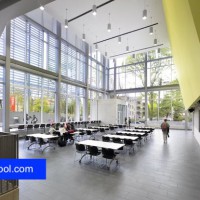
Established in 1912, the school traces its roots back to the original North Toronto High School housed in the North Toronto Town Hall. Over the decades, it has expanded significantly, featuring a Platinum LEED-certified ecoschool facility within its modern building structure. The thoughtful architectural evolution reflects a deep investment in creating an inspiring and functional learning environment.
Marking more than 100 years of educational service, the school has become a pillar of the local community, embracing tradition while continuously evolving to meet modern educational demands and student needs.
Athletics and Extracurricular Opportunities
Athletics play a pivotal role in the school’s vibrant extracurricular scene, featuring over 50 sports teams across a wide variety of seasonal sports. Students engage in competitive and intramural leagues encompassing basketball, cross-country running, field hockey, football, golf, tennis, volleyball, hockey, soccer, archery, alpine skiing, curling, swimming, and more.
Notable athletic achievements include historic victories such as the boys’ varsity ice hockey team clinching the TDSSAA City Championship in 2012, their first since 1952, and the girls’ field hockey team securing multiple consecutive city titles. These accomplishments highlight the school’s commitment to fostering teamwork, athletic excellence, and school spirit.
Participation in sports promotes physical fitness, leadership, and resilience, complementing academic development and contributing to holistic student growth.
Leadership and Vision
Currently led by Principal Dr. Jane A. Lee and Vice Principal Bryan McAlpine, the school’s administration prioritizes creating a supportive, equitable, and forward-thinking educational environment. Clear leadership and a strong mission guide the community, striving to enable all students to reach high levels of achievement and well-being and to acquire the knowledge, skills, and values they need to become responsible, contributing members of a democratic and sustainable society.
The school’s motto, "Labor Omnia Vincit," meaning "Work Conquers Everything," encapsulates its ethos of dedication and perseverance, inspiring students and staff alike to embrace challenges and strive for success.
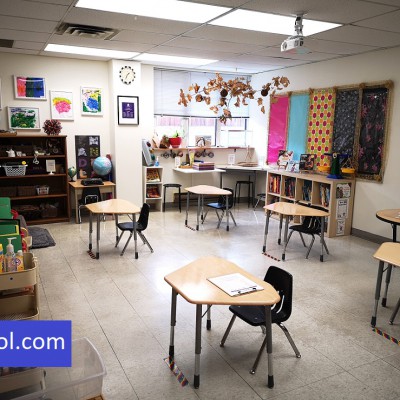
North Toronto Collegiate Institute benefits significantly from its physical and architectural setting, as the quality of the school environment plays a vital role in shaping student engagement and academic success. Thoughtfully designed spaces, including modern and sustainable facilities, contribute to healthier indoor air quality, comfortable temperatures, and effective acoustics, all of which are known to enhance concentration and reduce fatigue throughout the school day. Furthermore, access to flexible classrooms, collaborative common areas, and specialized spaces for the arts and sciences encourages active participation and accommodates diverse teaching methods. Beyond physical infrastructure, a positive psychosocial atmosphere characterized by inclusivity, mutual respect, and a sense of community helps foster emotional well-being, enabling students to feel secure and motivated as they navigate their academic and extracurricular pursuits.