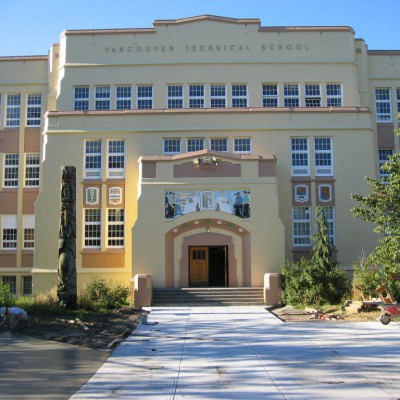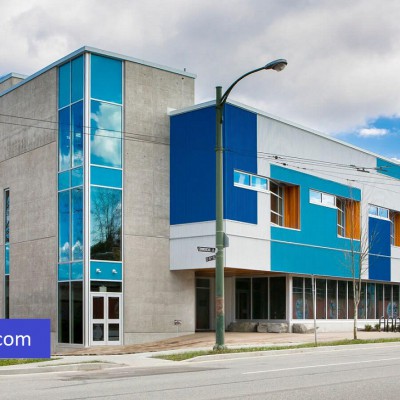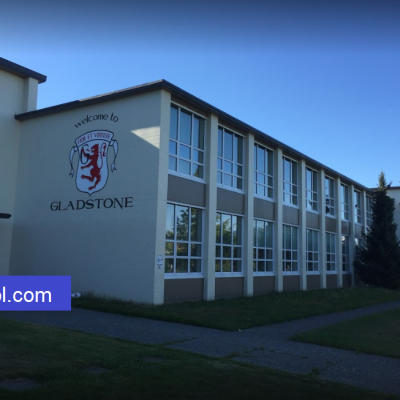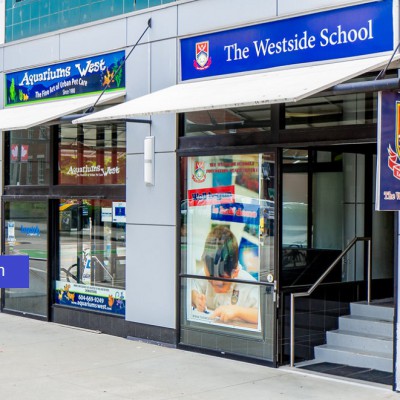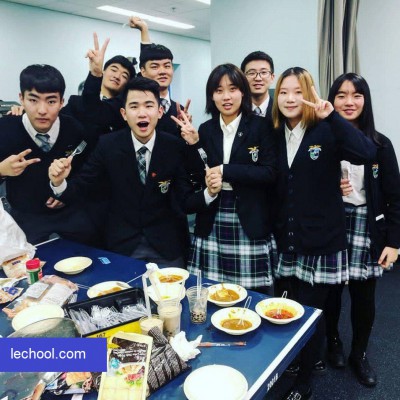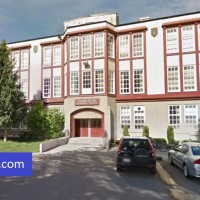


Students benefit from a dynamic project-based STEM program that seamlessly integrates science, technology, engineering, and mathematics into engaging, hands-on learning experiences. This approach encourages practical problem-solving and real-world application, helping learners develop competencies in woodworking, drafting, mechanics, electronics, computer science, and robotics. Operating as a public secondary school following the British Columbia curriculum, the institution emphasizes collaborative, hands-on learning environments that prepare students for future pathways.
🏫 Rich Historical Legacy
Established in 1927, this secondary institution stands as a historic pillar in Vancouver's educational landscape, serving a catchment area that includes Hastings, East Village, and the Pacific National Exhibition grounds. Named after William Templeton, a former mayor, its enduring motto, "Pro Bono Omnium" (“For The Good Of All”), reflects a longstanding commitment to community, inclusivity, and holistic student growth. The school has expanded over the decades, notably adding specialized science and home economics facilities and a gymnasium in the 1960s, underscoring its dedication to fostering student development.
🌟 Leadership & Student Support
Under the guidance of Principal Adam Tuerlings, the school emphasizes communication between teachers, students, and families. Effective student learning is supported through regular feedback, ensuring academic progress and personal growth are closely monitored and nurtured. This collaborative environment cultivates a supportive atmosphere where every learner can engage with academic departments spanning Mathematics, Sciences, English, Social Studies, Modern Languages including French, Mandarin, and Spanish, Physical Education, and Applied Skills, alongside Indigenous education support and life skills strategies.
💡 Admissions, Tuition, and Practical Learning
As a public school within the Vancouver School Board (VSB), admissions follow VSB policies for secondary school enrollment, typically based on catchment area and space availability. There is no tuition for domestic students, while international student programs follow standard Vancouver School Board fee structures. The curriculum integrates essential practical learning, including work experience opportunities tailored for older students to emphasize real-world readiness.
🎭 Vibrant Extracurricular Activities
A broad spectrum of clubs and activities enriches the student experience and encourages leadership, creativity, and teamwork. Popular groups include robotics teams, coding clubs, fitness and yoga sessions, theatre productions, and academic challenge teams like Reach For The Top. The school is particularly known for its fine arts programming, including professional-quality theatre and film productions. Social support organizations such as the Pride Club offer a safe and inclusive space for all students, complemented by active Indigenous student support including an Indigenous Enhancement Team (IET).
🔑 Summary
With its rich history and progressive approach to education, this Vancouver secondary school delivers a learning experience that combines the British Columbia curriculum with practical skill-building and personal development. Its strong focus on STEM education and project-based learning, supported by diverse extracurricular opportunities, fine arts programs, and a nurturing community, equips students to become engaged citizens. Accredited by the British Columbia Ministry of Education and Child Care, the school continues to provide comprehensive educational pathways under the dedicated leadership of Principal Adam Tuerlings.
Maintaining consistency in education plays a vital role in reinforcing daily habits, solidifying foundational knowledge, and supporting long-term academic progress. When routines and expectations remain steady across subjects—ranging from applied STEM disciplines to fine arts and language studies—students can focus their energy more effectively on critical thinking, problem-solving, and skill mastery. Regular attendance, reliable study habits, and consistent communication between educators and families help create a predictable framework where learners feel secure and confident in their abilities. This steady approach to learning reduces anxiety around assessments and transitions, allowing teenagers to build resilience and steadily accumulate knowledge over the course of their secondary education without unexpected disruptions to their developmental journey.