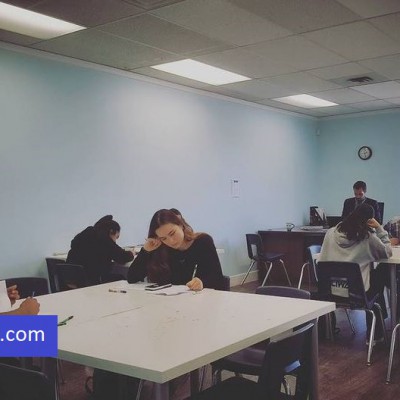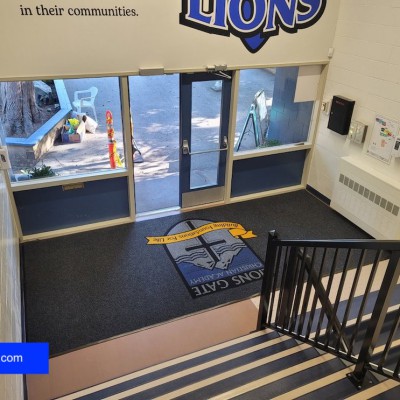
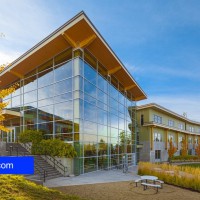

Located on a 44-acre campus in Kelowna, British Columbia, adjacent to UBC Okanagan, this independent, non-denominational co-educational school has grown since its founding in 2004 into a vibrant learning community with over 700 students. Operating as a registered not-for-profit charity, its campus features facilities including the Marjorie Callahan Early Learning Centre, Merrifield Junior School, Hanlon Senior School, Holzhey Hall, the Athletics and Wellness Centre, and a STEM Design Studio. The school is accredited by Canadian Accredited Independent Schools (CAIS).
Emphasizing interpersonal connections, the school fosters an inclusive atmosphere where students, parents, and educators collaborate to nurture personal growth alongside academic achievement. Under the leadership of Chris Grieve, Head of School, the community remains committed to an environment that nurtures curiosity, resilience, and a lifelong love of learning. A rich array of clubs and after-school programs enrich the student experience, encouraging exploration, creativity, and social development.
📚 Academic Excellence and Curriculum
Designed as a university-preparatory institution, the school offers a curriculum focusing on a personalized, student-centered approach with small class sizes, blending core academics with character development, arts, physical and emotional wellness, experiential learning, and STEM. The academic program prepares learners to thrive in higher education and beyond while cultivating critical thinking and intellectual curiosity.
The curriculum includes specialized offerings such as Advanced Placement (AP) courses, Montessori-trained preschool programming, and language instruction in English, French, and Spanish. Dedicated support structures such as study halls, guided after-school care, English Language Learning (ELL), JumpStart! Orientation Program, and peer mentoring and tutoring ensure students have the resources necessary to succeed.
💡 Enrichment Programs and Extracurricular Activities
Beyond the classroom, the school offers a range of clubs and theme-based activities, including Forest School sessions, the Duke of Edinburgh's Award, and an international student homestay program alongside a comprehensive Family Boarding program. These programs provide students with opportunities to discover new passions, develop teamwork, and cultivate leadership.
In athletics, the school supports students from junior to senior levels with programs focused on skill development, sportsmanship, and competitive play, including a Basketball Centre of Excellence. Senior students participate in leagues such as the Okanagan Central School Association and the Independent School Association of British Columbia, gaining experience in a variety of sports.
🎭 Arts and Cultural Opportunities
The arts program is a part of the school’s approach, fostering creativity and expression through arts, music, and design studio spaces. Both junior and senior students take part in annual stage productions, offering opportunities to build confidence and showcase their talents.
The music curriculum invites students to learn a selection of instruments including violin, cello, guitar, and percussion. Meanwhile, visual and studio arts classes encourage students to engage with two- and three-dimensional mediums, enhancing their artistic literacy and creative problem-solving skills.
🌟 Leadership and Admissions
Guided by its mission to empower students to lead meaningful lives as compassionate, contributing citizens and to inspire their success in learning and life, the school emphasizes academic achievement alongside character development. Leadership initiatives and community engagement play a role in shaping well-rounded individuals prepared to make contributions.
Applications for admission are accepted year-round and are increasingly competitive. The admissions process involves booking a campus tour, submitting an online application with supporting documentation such as report cards and teacher references, participating in an admissions conversation or interview, and completing a readiness assessment. Preschool and Kindergarten applications for a September start are due by January 31, with priority placement given to families who currently have students attending the school.
💰 Tuition and Fees
Tuition varies by grade, ranging from $7,560 for part-time preschool up to $27,370 for Grades 10-12, before applicable provincial government grants. International tuition and fees total $65,130. School fees include tuition, field trips, textbook rentals, and a copy of the yearbook. Additional charges apply for uniforms, daily lunch, instrument rentals, bussing, and certain extracurricular clubs.
📝 Conclusion
Rooted in a collaborative community and a commitment to education, this Kelowna school serves families seeking a university-preparatory education in a supportive setting. Its offerings across preschool, Kindergarten, Junior School, Middle School, High School, and international programs combine to create a school experience that equips students with the skills, values, and confidence to succeed.
Integrating digital tools into modern education offers opportunities to enhance student learning, expand access to information, and foster collaborative problem-solving. When applied alongside traditional classroom instruction, technology provides ways for students to engage with subjects, conduct research, and personalize their academic progress. Interactive software, digital libraries, and virtual collaboration platforms enable learners to explore concepts at their own pace while developing digital literacy skills for higher education and future careers. At the same time, educators utilize these resources to track academic growth, provide feedback, and create interactive lessons that cater to diverse learning styles. Balancing screen time with hands-on, experiential activities ensures that technology remains a purposeful tool that supports critical thinking, creativity, and human connection within the educational environment.
Developing effective study habits is essential for maintaining focus and retaining complex academic material, particularly within rigorous university-preparatory environments. Students often enhance their concentration by establishing dedicated study spaces free from digital distractions, implementing structured time-management techniques such as the Pomodoro method, and taking regular short breaks to maintain mental stamina. Incorporating active learning strategies, including summarizing concepts in one's own words or teaching the material to a peer, deepens comprehension and keeps the mind actively engaged during review sessions. Furthermore, maintaining balanced daily routines that include adequate sleep, physical activity, and proper nutrition significantly supports cognitive function and sustained attention span. By combining these practical habits with structured academic support structures like guided study halls and peer tutoring, learners cultivate the self-discipline and focus necessary to manage advanced coursework successfully and transition smoothly into higher education.