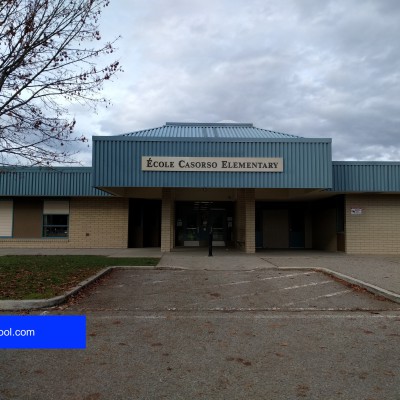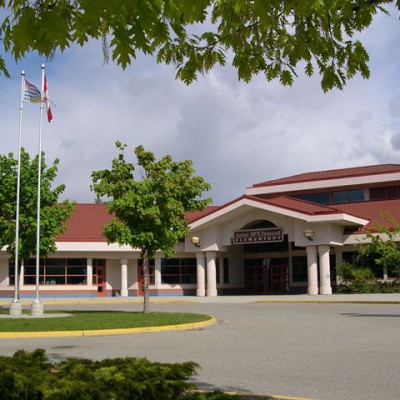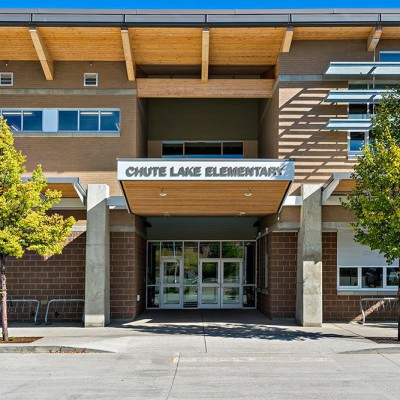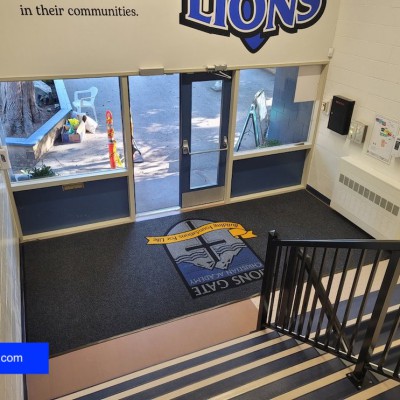


Established in 1905, Kelowna Secondary School is the oldest secondary school in Kelowna and serves as a public educational institution within the Central Okanagan School District (SD23). Under the leadership of Principal Bruce Hunt, the school is committed to providing a supportive, inclusive, and challenging learning environment that fosters academic success, personal growth, and community engagement.
Programs and Curriculum
The school offers a comprehensive public secondary curriculum that includes the French Immersion program, Advanced Placement (AP) courses, and a variety of elective and specialty programs. Students can also participate in Career Programs and Work Experience opportunities, including apprenticeships such as Youth Work in Trades.
Additional offerings encompass Technology and Applied Design courses—covering computer science, engineering, and trades—as well as specialized academies in athletics and fine arts. Courses in Indigenous Leadership and Culture are also part of the curriculum.
Campus Life and Community
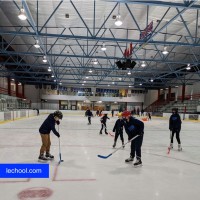
As a publicly funded institution, admissions follow standard public school district policies for catchment and registration, with no tuition required for domestic students, though optional course-specific fees may apply. The school features a wide range of extracurricular activities, including fine arts, athletics, and various student-led clubs, while maintaining active involvement in community partnerships and student engagement initiatives.
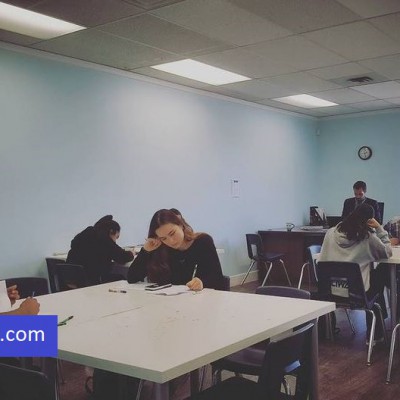
Developing effective note-taking skills is an essential academic strategy that helps students process complex information across rigorous subjects like Advanced Placement courses, sciences, and humanities. Rather than attempting to transcribe lectures verbatim, successful learners often utilize structured methods such as the Cornell system, mind mapping, or outline formats to organize main ideas, supporting details, and key vocabulary. Reviewing and condensing these notes shortly after class reinforces memory retention and deepens conceptual understanding, while incorporating visual cues or abbreviations can increase efficiency during fast-paced lessons. Building these organizational habits not only supports daily homework completion and test preparation in secondary school, but also establishes a strong foundation for independent learning in post-secondary education and future career endeavors.