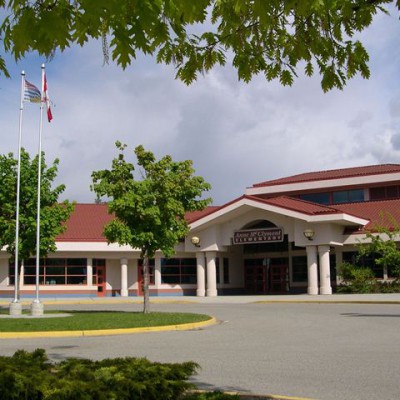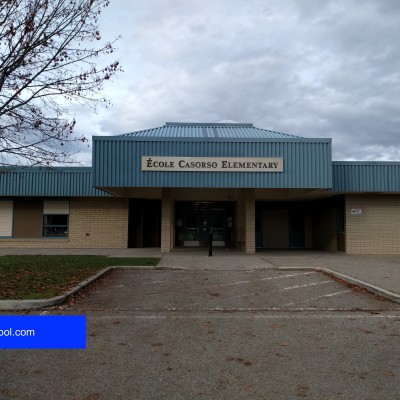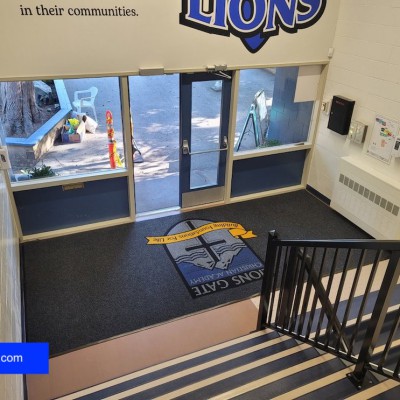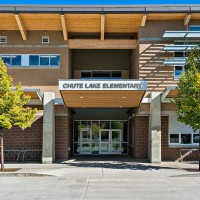
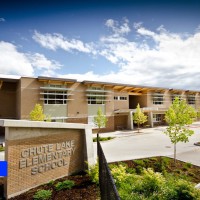
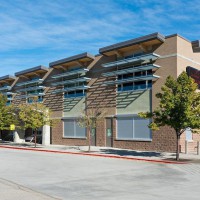
Situated in the city of Kelowna, this public elementary school serves approximately 470 students. Operating as part of Central Okanagan Public Schools (SD23), the school fosters a welcoming atmosphere where students thrive academically and socially. An active Parent Advisory Council (PAC) organizes events and programs such as a weekly hot lunch fundraiser, supporting the school community. Since its establishment in 2009, the school has worked to nurture lifelong learners who are prepared for academic success and contributions beyond the classroom. Collaboration between teachers, families, and local partners strengthens the sense of community.
The facility was built to high environmentally sustainable standards, achieving an unofficial LEED silver rating. Its landscaping includes indigenous, drought-resistant vegetation and native, low-mow grass mixes, and the school grounds connect directly onto Curlew Park.
Academic Programs and Learning Approach
The school employs a variety of instructional strategies to engage students. Through programs like Making Thinking Visible (MTV), Critical Thinking exercises, and Learning in Depth (LiD), children develop reasoning skills and curiosity-driven learning habits. The curriculum integrates passion projects and project-based learning to enable students to investigate topics that interest them, fostering creativity and independent thought. Educational approaches are designed to create a climate of mutual respect, cooperation, and academic excellence, incorporating initiatives to encourage appropriate behavior, self-discipline, and social success. Special programs include Student Counselling, Learning Assistance, English Language Learner (ELL) support, Inclusion Education, Speech-Language Pathology services, Indigenous Education, Competency Based Individual Education Plans, Social Emotional Learning (SEL) supports and programming, and enrichment activities.
Educational Vision and Mission
The guiding philosophy centers around preparing adaptable and tolerant young learners ready to impact their communities. The school’s mission emphasizes kindness, collaboration, and reflective learning. Utilizing frameworks such as the OECD 7 + 3 Learning Methods and the Spirals of Inquiry, educators assess student progress and adapt instruction. Principles rooted in First Peoples' knowledge shape the school culture, promoting respect for diverse perspectives.
Athletics and Extracurricular Activities
Students are encouraged to develop physical skills and teamwork through a range of extracurricular opportunities. Popular sports programs include soccer, basketball, volleyball, and track and field, complemented by activities such as gymnastics, dance, and minor games. These options support healthy lifestyles and help students build confidence outside the classroom.
Special Initiatives and Community Engagement
Distinguished as a Central Okanagan hub school, this institution serves as a center for professional collaboration and innovation in education. It welcomes educators from across the region to observe and contribute to ongoing development initiatives. Close partnerships with the district’s Instructional Leadership Team enable the use of evidence-based curricula. Kindergarten transition support and resources are also available for incoming Kindergarten students. Standard elementary school fees include a school supply fee of $40 per student and a cultural fee of $10 per student, with financial hardship policies and fee subsidies available.
Key Strengths and Takeaway
With a student-centered approach rooted in kindness and inquiry, this Kelowna elementary school is committed to academic growth and personal development. Integrating pedagogical methods with modern thinking strategies, it prepares students to be thoughtful thinkers. The collaboration among students, educators, families, and the wider community creates a structured space for learners.
When considering the broader educational environment at Chute Lake Elementary, research and educational practices often highlight the advantages of maintaining lower student-to-teacher ratios in elementary classrooms. Smaller class sizes typically allow educators to provide more individualized attention, better understand each child's unique learning style, and offer targeted academic or emotional support when needed. In settings with fewer students per teacher, classroom management often becomes more streamlined, creating a quieter and more focused atmosphere that is conducive to collaborative group work and hands-on activities. Furthermore, children in smaller groups frequently have more opportunities to participate actively in class discussions, ask questions, and build stronger social connections with their peers. This closer interaction helps teachers monitor ongoing progress more effectively, ensuring that instructional strategies align with the developmental needs of every learner in the room.
Building upon these supportive classroom environments, helping children improve concentration while studying involves establishing consistent routines and minimizing potential distractions. Educators and families often find that breaking longer study sessions into smaller, manageable intervals allows young learners to maintain focus and retain information more effectively. Creating a designated, quiet workspace free from digital devices further supports sustained attention during independent tasks. Additionally, incorporating regular physical activity and short movement breaks into the daily schedule helps reset energy levels, making it easier for students to re-engage with academic material with renewed clarity and sustained mental endurance.