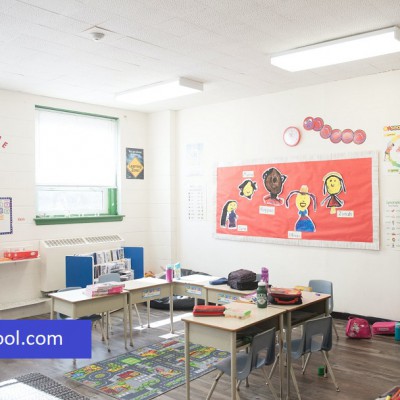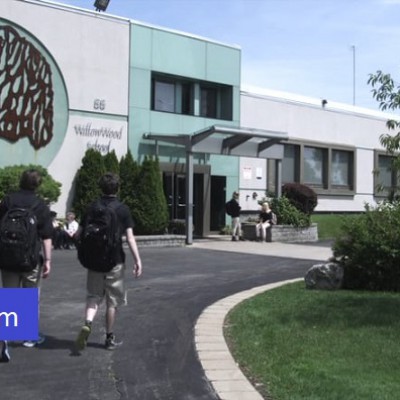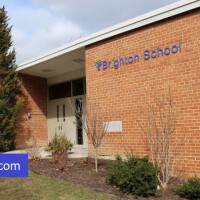


Established in 2003 in Toronto, Brighton School is a non-denominational co-ed private day school and special education institution dedicated to fostering academic success through individualized attention. Led by Principal & Director of Admissions Irene McRae, the school provides a specialized learning environment intentionally designed for elementary and secondary students with academic gaps or learning disabilities in reading, math, or writing. Students undergo an initial assessment before being placed in small learning groups, typically with no more than six peers. This arrangement ensures focused instruction tailored to each learner’s pace and style, particularly benefiting those requiring additional educational support.
Instruction is delivered by a team of compassionate special education professionals who collaborate closely to integrate core subjects seamlessly. Operating as a Ministry of Education inspected school, the curriculum accommodates diverse learning needs through a Learning Group structure where students are placed at their level in each core subject rather than following a rigid grade-level curriculum. This approach creates a supportive atmosphere where academic challenges are addressed with expert strategies, allowing students to build confidence and achieve their full potential.
Academic Programs and Specialized Instruction
The school offers comprehensive academic programs spanning core disciplines such as language development, mathematics, reading, writing, and digital literacy. Specialized methods are employed to enhance learning outcomes effectively, including Direct Instruction methodology for reading, the Singapore Math Method for mathematics, and a process-based approach to writing through multi-sensory and hands-on learning. Specific programs include the Momentum Kindergarten Special Education Program for Junior and Senior Kindergarten, Elementary Special Education for Grades 1 to 8 based on the Ontario Curriculum with modifications, and Secondary Special Education programs encompassing credit courses, pre-credit programs, and alternative non-credit courses. Additional support includes Independent Learning Centre (ILC) support and 1:1 tutoring for internal students and external clients.
Innovative use of assistive technology also plays a crucial role, helping students unlock new learning opportunities and engage confidently with digital tools. The curriculum is designed not only to improve foundational skills but to prepare students for lifelong learning and success beyond the classroom. For students aged 18 and older who have completed high school yet seek practical experience, the institution’s adult-focused Brighton Launch program offers hands-on learning that bridges the gap between formal education and real-world independence.
Social Development, Facilities, and Community Engagement
Beyond academics, the school prioritizes social skills and community building to ensure every student feels a strong sense of belonging. Social groups within the secondary program nurture friendship and interpersonal growth, helping students develop essential life skills such as self-advocacy, self-management, and effective communication. Weekly social events like the ‘Friday Night Social’ encourage students and community members to connect outside traditional classroom settings, fostering friendships and a supportive network.
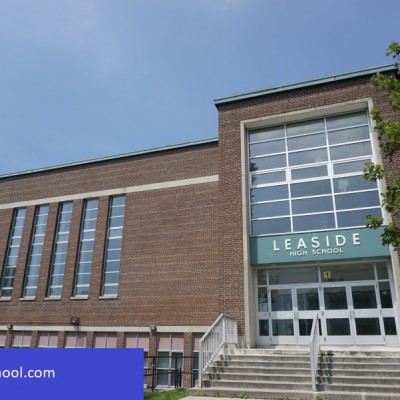
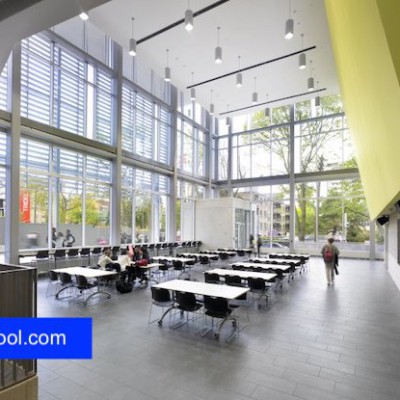
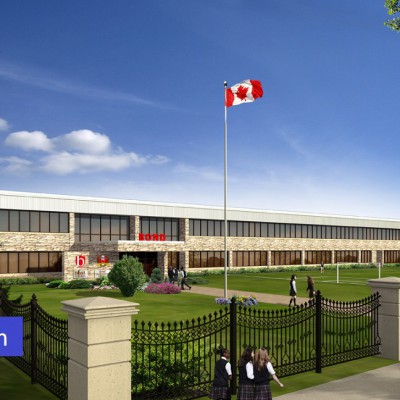
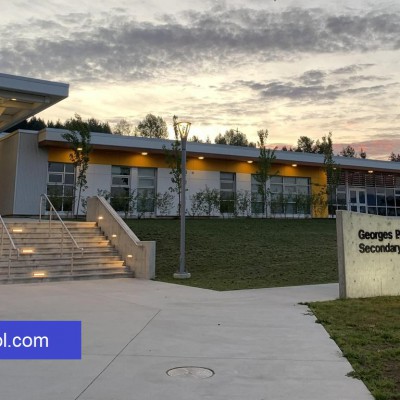
Students benefit from a completely renovated facility updated in 2021, which features a center-hall style Learning Commons, a Fitness Centre, a Food and Science Lab, an Art and Music Room, a library, and a playground. The daily schedule utilizes a Balanced Day structure with two well-spaced 45-minute breaks instead of short recesses. The school also offers before and after-school care.
Extracurricular Activities and Clubs
A variety of clubs for primary, junior, and intermediate students enrich the overall learning experience. Younger students can enjoy activities such as gym games, story club, craft making, construction, and board games, while older students engage in specialized groups including Harry Potter-themed clubs alongside creative and physical pastimes.
These after-school clubs rotate each term and encompass themes from sports and arts to music and science, all designed to inspire curiosity, teamwork, and personal interests. Clubs typically run from 3:40 PM to 4:30 PM, providing a structured yet enjoyable extension to the school day.
Alternative and Life Skills Program
Recognizing the diverse needs of learners, the school offers an Alternative Program for high school-aged students who work at a grade 1-4 academic level and are not yet ready for credit courses. This program emphasizes practical academics in language, literacy, and numeracy, combined with essential life skills training.
Students gain competencies in areas crucial to everyday independence, including fitness, shopping, cooking, transit navigation, and community engagement. Additionally, courses in arts, home economics, technology, and music provide a well-rounded education tailored to individual goals and capabilities. The school also supports families through the OAP Support Program, maintaining eligibility for Ontario Autism Program funding reimbursement with regular supervision by a Registered Behaviour Analyst. Program fees, 1:1 support fees, and R.B.A. consultation fees are receipted to families to submit for reimbursement.
Admissions Process
The admissions process starts with meeting parents to discuss student needs, reviewing recent report cards and IEPs, and participating in a short presentation about the school and its programs. Potential students then visit the school for a half-day with the class while placement assessments are conducted. Parents meet with staff immediately following the visit and assessment, and an offer of acceptance is sent if appropriate, which is due back within two weeks.
Research consistently demonstrates that the physical and social surroundings in which students learn play a fundamental role in cognitive development, emotional well-being, and academic achievement. A thoughtfully structured educational setting—characterized by low student-to-teacher ratios, minimized sensory distractions, and positive peer interactions—helps reduce anxiety and encourages active participation. When facilities and classrooms are designed with flexibility and accessibility in mind, learners find it easier to focus on complex tasks and engage deeply with instructional material. Furthermore, supportive atmospheres that incorporate multi-sensory tools and collaborative spaces allow children and adolescents to process information at their own pace. By tailoring both the physical infrastructure and the emotional tone of the classroom to meet individual needs, educational institutions help students build resilience, strengthen foundational skills, and navigate academic challenges with greater self-assurance.