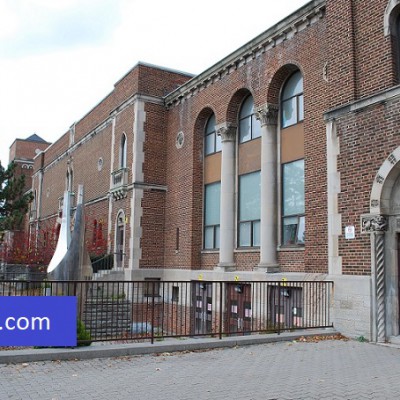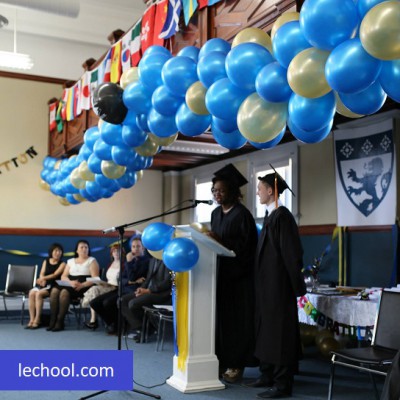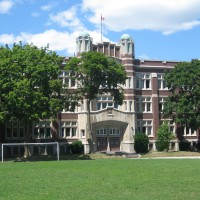


Located in Toronto’s Palmerston-Little Italy neighbourhood, Central Toronto Academy offers a secondary education experience under the Toronto District School Board. Evolving from its roots as the High School of Commerce and Finance and Central Commerce Collegiate Institute, the school was renamed in 2014 to reflect its focus on arts, academics, and athletics.
Academic Programs and Pathways
Central Toronto Academy provides a diverse range of academic opportunities designed to support student development. Operating as a public school under the Toronto District School Board with no tuition fees, the academy offers Advanced Placement (AP) courses and the Specialist High Skills Major (SHSM) program in Business Entrepreneurship, which connects students with industry mentors and real-world environments. In alignment with the board's mission, the school aims to enable students to reach high levels of achievement and well-being, providing courses and programs that support pathways to apprenticeship, college, university, or the workplace.
As a designated Secondary School Without a Boundary (SSWAB) program school by the TDSB, admissions are managed through the SSWAB process. Interested students may apply for entry through this process regardless of residence, and out-of-area admissions apply.
Athletics and Student Life
The school maintains an athletics program that includes competitive basketball teams alongside a variety of seasonal sports such as soccer, volleyball, ice hockey, cross country, swimming, archery, badminton, track and field, and co-ed ultimate frisbee. Alongside academics and athletics, the academy encourages student participation in creative disciplines, supporting overall student growth and community engagement.
When navigating the process of choosing a secondary school, families often evaluate how well an institution aligns with a student's specific academic goals, extracurricular interests, and personal learning style. Key factors to consider include the availability of specialized programs, such as advanced placement courses or experiential learning pathways that connect classroom theory with real-world industries. Additionally, exploring the range of available sports, arts, and student leadership opportunities helps determine how a school supports holistic development and community engagement. Touring facilities, attending open houses, and understanding admissions processes—particularly for specialized or boundary-free programs—provide valuable insight into daily student life and help ensure that the chosen educational environment fosters both academic achievement and personal well-being.