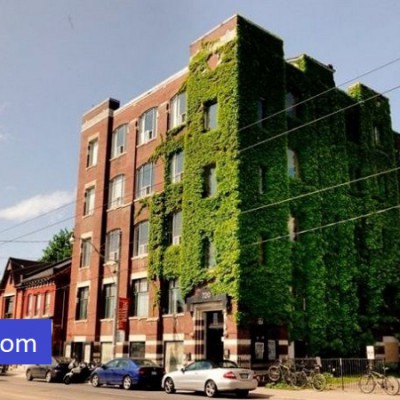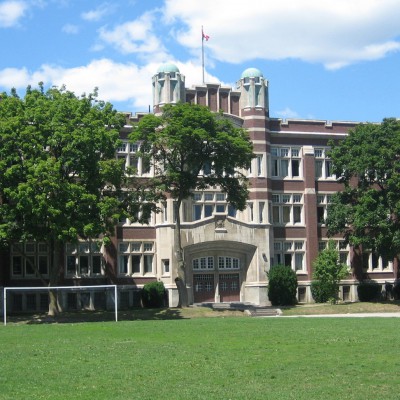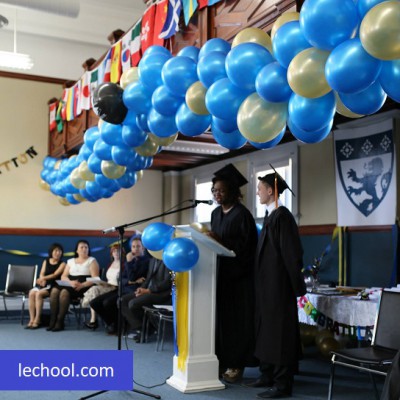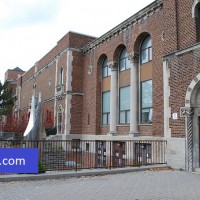


Established in 1892, Harbord Collegiate Institute is a public secondary school within the Toronto District School Board, led by Principal Tania Camuti. Serving students in grades 9 through 12, the school offers a dynamic and inclusive learning environment shaped by diversity and community spirit. The educational approach emphasizes social justice, equity, and environmental awareness, fostering a setting where students and staff work together to promote achievement and well-being. As a publicly funded school, no tuition fees are charged for domestic students who reside in Ontario and meet provincial residency requirements. Admission for students within the school's designated attendance area is generally open to residents, while admission for those outside the area is subject to the board's Optional Attendance policy.
Comprehensive Academic and Special Programs
The school provides a comprehensive academic program offering university and college preparation courses. Specialized offerings include Extended and Immersion French programs, an English as a Second Language (ESL) program, and a Co-operative Education Programme. A notable offering is the Law in Action Within Schools (LAWS) program, operated in partnership with the University of Toronto Faculty of Law. Additionally, the school hosts an International Language School program offering credit courses in languages such as Cantonese, German, Latin, Mandarin, Portuguese, and Spanish.
Arts, Music, and Athletics
Students can explore a variety of arts disciplines including dramatic arts, visual arts, and music. The visual arts curriculum engages students with diverse media, while dramatic arts are offered in both English and French. The music department includes strings programs catering to various skill levels. Physical education and sports form a vital component of student life, featuring a wide variety of team and individual sports available year-round to promote fitness, resilience, and school spirit.
Student Life and Notable Characteristics
Opportunities for student involvement extend beyond the classroom through active student clubs, including robotics, debating, and various athletic associations, as well as the Young Women's Empowerment Programme. Harbord Collegiate Institute holds Gold Certified Eco-School status, reflecting its commitment to environmental education and sustainability.
Mission
The mission of Harbord Collegiate Institute is to enable all students to reach high levels of achievement and well-being and to acquire the knowledge, skills, and values they need to become responsible, contributing members of a democratic and sustainable society.
Developing critical thinking skills is an essential component of secondary education, enabling students to analyze information, evaluate arguments, and solve complex problems independently rather than simply accepting facts at face value. Educators foster these cognitive abilities through inquiry-based learning, open-ended discussions, and assignments that require learners to examine multiple perspectives on social, scientific, and historical issues. Extracurricular activities such as debate clubs, Model United Nations, and collaborative research projects further strengthen these competencies by challenging students to defend their reasoning and engage constructively with opposing viewpoints. By integrating critical analysis across both academic coursework and daily school life, secondary institutions help students build the intellectual resilience and adaptability needed to navigate an increasingly interconnected world.