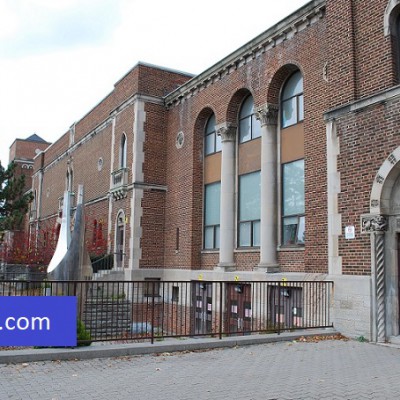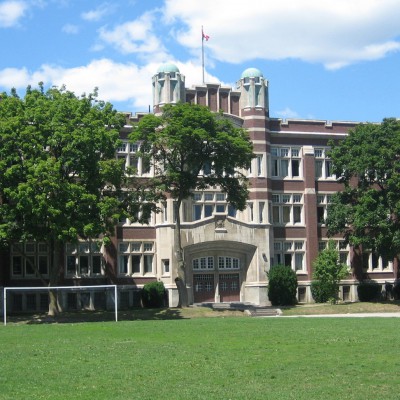


Nestled in a vibrant Toronto neighbourhood, Lord Lansdowne Junior and Senior Public School fosters a welcoming and culturally rich environment where students immerse themselves in a French Immersion curriculum. Under the leadership of Principal Kristin McDonald, the school community emphasizes inclusivity, bilingual communication skills, and collaborative learning. Parents and guardians actively participate through an engaged School Council, working closely with staff to enhance educational opportunities and nurture a sense of belonging both inside and outside the classroom.
📚 Academic Excellence and French Immersion
Since the introduction of its French Immersion program, the school has offered comprehensive instruction in French. The curriculum is designed to develop fluency, literacy, and critical thinking skills in French, preparing students for future academic success in bilingual settings. Emphasis is placed on cultivating a foundation in mathematics, science, social studies, and the arts, all taught through French language experiences. Applications for Early French Immersion open during the month of November and can be accessed on the TDSB French Programs website. The school also offers a variety of programs including Full-Day Kindergarten (FDK), Health, Phys-Ed, Dance, MART and Resource support, Library services, and STEAM education.
🎶 Enriching Arts and Music Programs
The school features music and arts offerings designed to cultivate artistic talent. All students benefit from regular vocal music lessons led by a full-time specialist, while selected grades receive additional instruction in instruments such as guitar and recorder. The school hosts multiple choirs, including Primary, Junior, and Senior ensembles, as well as specialized vocal groups like the Blues Crew. Band programs commence in Grade 5 and continue with Junior and Senior band sessions, fostering teamwork and musical proficiency. Furthermore, an itinerant string program supports students learning violin, viola, cello, and bass, bolstered by summer intensives that develop technique and repertoire. Unique rhythmic and percussion projects, guided by a visiting Orff educator, further enhance rhythmic skills and creativity.
🏛️ Rich History and Traditions
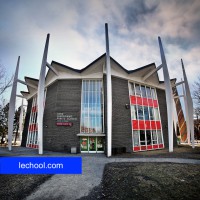
Originally built in 1887 on Spadina Crescent and named in honour of the Marquis of Lansdowne, Governor-General of Canada from 1883 to 1888, the school’s heritage reflects a longstanding commitment to education within Toronto’s historical fabric. The building was damaged by fire in 1914 and partially rebuilt. A new building on Robert Street was officially opened on December 6, 1961, after which the original Spadina Crescent building was demolished, and the school name was officially changed to Lord Lansdowne Public School in 1967. The grounds also feature the "Lansdowne Rock," a rare igneous boulder found during excavation and believed to have been carried by a glacier approximately 12,000 years ago. This legacy continues to inspire the school’s mission today, bridging tradition with contemporary educational practices.
💡 Highlights and Unique Offerings
Beyond its academic program, the school is distinguished by a commitment to holistic student development. The integration of music and arts education into daily learning nurtures creativity, discipline, and social skills. Strong parental involvement through a proactive School Council empowers families to influence school initiatives and enhance the educational climate. The focused French Immersion curriculum fosters bilingualism at a young age, serving as an asset in Canada's multicultural and francophone contexts.
🔍 Final Thoughts
Combining French education with music and arts programs and a community-centered environment, this school stands as a choice for families seeking primary education in Toronto. Its history, paired with teaching and engaged leadership under Principal Kristin McDonald, creates a setting for young learners to develop academically and personally. Students leave equipped with language skills, artistic confidence, and a connection to both their local community and Canada’s broader bilingual heritage.
As students progress through foundational studies and specialized programs like French Immersion, developing effective note-taking habits becomes a valuable asset for organizing complex information and improving long-term retention. Encouraging learners to utilize active listening strategies, such as summarizing key concepts in their own words rather than copying text verbatim, helps bridge the gap between classroom instruction and independent study. Incorporating visual cues, structured outlines, or color-coding systems further aids in categorizing subjects ranging from science and mathematics to history and literature. By refining these organizational methods over time, students build academic independence and critical thinking abilities that support their ongoing educational journey across both primary and secondary grade levels.