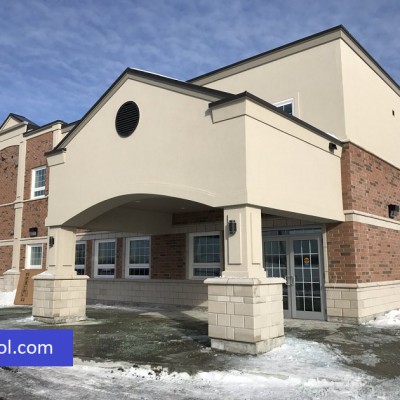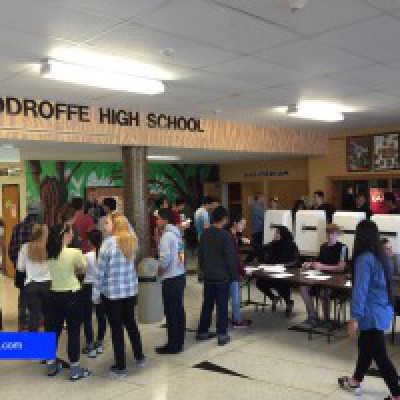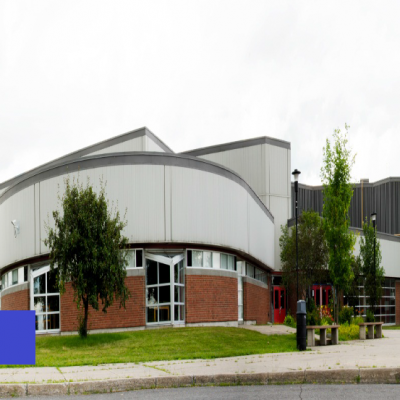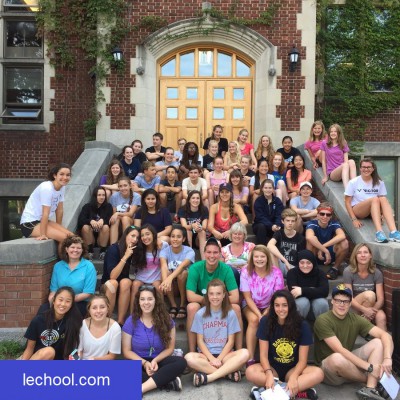
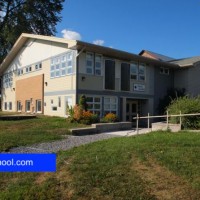
Nestled in Ottawa’s west end, March Academy is an independent private school that has been operating for over 20 years, offering a nurturing and inclusive environment for students from grades 1 through 8. Led by Michael Kennedy, Director and Owner, the school features modernized facilities that encourage collaboration, creativity, and active learning. Emphasizing a non-denominational and welcoming atmosphere, the school fosters respect for diversity and promotes a strong sense of belonging among its pupils. Small class sizes, with an approximate student-teacher ratio of 1:8 and a total school enrollment of approximately 32 students, enable personalized attention, allowing educators to tailor their approach to each child’s unique learning style and needs.
Beyond academics, the school cultivates social skills by guiding students in understanding and engaging effectively within their community. This focus on interpersonal development cultivates self-confidence and cooperation, empowering young learners to thrive both inside and outside the classroom. Parents appreciate the supportive climate where children are encouraged to express themselves and pursue their passions.
📚 Academic Excellence and Curriculum
Adhering to the Ontario Ministry of Education’s guidelines, the curriculum integrates core subjects such as mathematics and language arts, alongside integrated science and social studies for grades one through six, and separate geography and science for grades seven and eight. The academic program is carefully adapted to meet the developmental levels of each grade. Learning is delivered through theme-based modules that stimulate curiosity and critical thinking, combining individual and group activities to reinforce knowledge and encourage teamwork.
Skilled educators with expertise in diverse instructional methods ensure that both gifted learners and students with special educational needs—such as dyslexia, dysgraphia, non-verbal learning disabilities, ADD, and ADHD—receive the specialized support necessary to excel. This inclusive academic framework empowers students to build a strong foundation, focusing not only on acquiring factual knowledge but also on developing lifelong learning skills and self-advocacy.
Technology and coding integration play a key role in the learning process, with digital tools thoughtfully embedded across subjects to enhance engagement and facilitate information access. This approach was particularly effective during remote learning phases, where efforts were made to maintain high-quality interaction between teachers and students, preserving the school’s holistic educational philosophy.
💡 Enrichment Programs and Extracurricular Activities
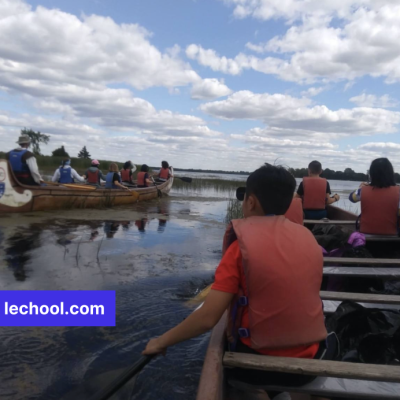
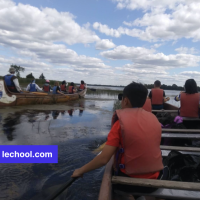
Enriching the educational experience, a wide range of programs complements classroom learning by promoting physical fitness, the arts, and environmental awareness. Students participate in various activities including nature studies, conversational French instruction, downhill skiing, dance forms like Hip Hop and square dancing, and community events such as local marathons and family runs. These offerings nurture well-rounded development and encourage healthy lifestyle habits.
The school incorporates weekly individual piano and music theory lessons, art, drama, school choir, and weekly TaeKwonDo and yoga instruction into its regular offerings. Additionally, the school partners with cultural and educational institutions such as the National Arts Centre, National Art Gallery, and Scientists in Schools, providing memorable field trips and guest lectures that deepen students’ understanding of the world around them. Creative pursuits like pottery, fabric art, and environmental art stimulate imagination and fine motor skills, while chess and math clubs enhance strategic thinking and problem-solving abilities.
Physical education is delivered by certified Ontario teachers, emphasizing fun, skill-building, and confidence. Seasonal clubs such as running, cross-country skiing, and skating utilize the school’s outdoor spaces to promote endurance and community spirit. These activities also foster social bonding and leadership opportunities among students.
🌟 Teaching Philosophy and Student Support
Centered on the belief that education should serve as a compass rather than a rigid path, the school champions a personalized approach encouraging students to discover and follow their own learning journeys. By recognizing individual talents and honoring diverse learning preferences, the school creates an atmosphere where each child is motivated to reach their fullest potential.
The faculty includes experienced professionals skilled in identifying and addressing learning challenges while simultaneously nurturing strengths. This holistic instructional model balances academic rigor with emotional and social growth, giving students the tools to become confident, capable learners prepared for future success, including support for graduating students during their transition to high school.
📍 Admissions and Tuition
Interested parents of candidates are asked to contact the school for an initial meeting, either virtually or in person, followed by a student visit day. Tuition fees include basic classroom materials, piano and music lessons, yoga and TaeKwonDo classes, special guest speakers, subject-specific teachers, and most field trips.
🔑 Summary
Combining a comprehensive, Ontario curriculum-aligned academic program with individualized teaching and robust extracurricular offerings, March Academy in Ottawa is dedicated to fostering balanced, confident, and academically proficient students. Through its commitment to inclusivity, technology integration, and community engagement, it provides a dynamic environment where children can flourish socially, creatively, and intellectually. Families seeking a supportive and innovative educational setting that respects individual learning journeys will find an excellent choice here.
Building a strong educational foundation during the formative years plays a critical role in shaping a child's academic trajectory and cognitive development. Early education focuses on more than basic literacy and numeracy, helping children develop essential executive function skills such as working memory, cognitive flexibility, and self-regulation. When children engage in structured learning environments that balance academic inquiry with creative exploration and social interaction, they build resilience and adaptability. These foundational experiences foster intrinsic motivation, encouraging children to view learning as an ongoing, rewarding process rather than a series of isolated tasks. By nurturing curiosity and collaborative problem-solving from an early age, educational programs help students develop the confidence and intellectual agility needed to navigate increasingly complex academic challenges as they progress through school and beyond.