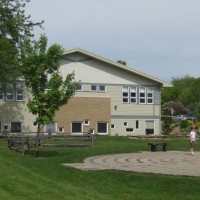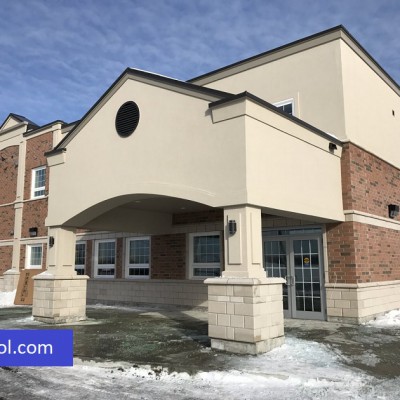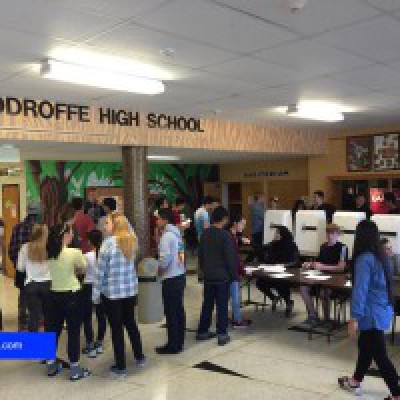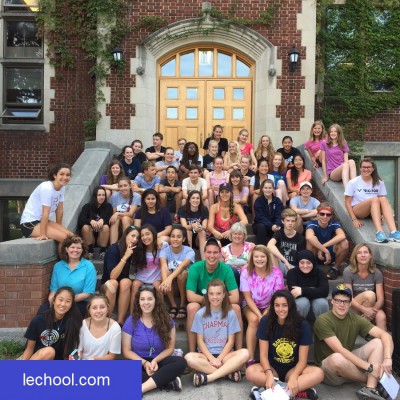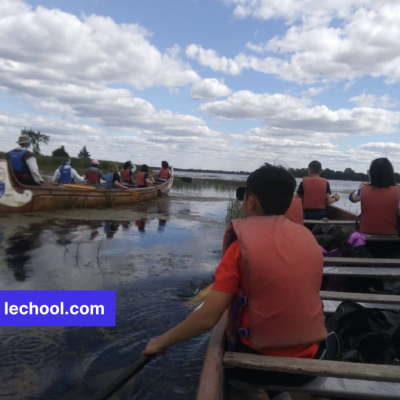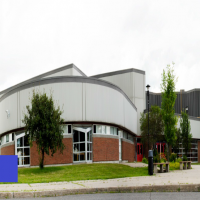


Located in Ottawa's west end in the community of Dunrobin, West Carleton Secondary School is a public high school operating under the Ottawa-Carleton District School Board (OCDSB). Serving students in grades 9 through 12, the school functions as a semestered institution following the curriculum set by the Ontario Ministry of Education. Known by its mascot, the Wolves, the school provides academic streams and programs including French Immersion.
Students have opportunities to engage in academic and language studies, including French programs and courses designed to meet the educational needs of the student body. Beyond the classroom, students participate in a wide array of extracurricular groups, clubs, and athletic options that contribute to school life, ranging from creative arts and cultural associations to competitive sports and student publications such as The West Carleton Echo.
As a publicly funded institution, West Carleton Secondary School does not charge tuition for domestic students residing within its district. Students residing within the school's designated boundary or those navigating the OCDSB transfer process are eligible for admission. Prospective families can contact the school office or the OCDSB admissions department for specific details regarding registration requirements and boundaries.
Led by Principal Daniel Case, the staff supports an environment focused on learning, personal growth, and community engagement. To maintain communication with families and the community, the school utilizes social media channels including Instagram, Twitter, and Facebook to share updates on events, notices, and student achievements.
Developing effective study habits and practical memory retention strategies can greatly assist high school students as they navigate rigorous academic curricula and prepare for post-secondary education. Cognitive research indicates that techniques such as spaced repetition, active recall, and regular self-testing help reinforce neural pathways, making complex information easier to retrieve over the long term. Additionally, maintaining a consistent routine that includes adequate sleep, proper nutrition, and regular physical activity is essential for optimal brain function, concentration, and information processing. By integrating these evidence-based learning strategies into their daily study habits, adolescents can build academic resilience, reduce test-related anxiety, and foster lifelong skills for continuous personal and intellectual growth.