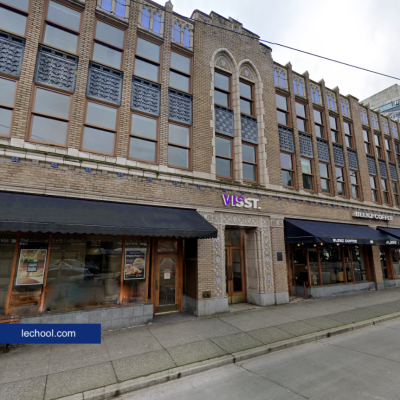
Situated in one of Vancouver’s diverse neighborhoods, Sir Charles Tupper Secondary School serves as a public secondary school operating under the Vancouver School Board. Opening its doors in 1959, the campus has undergone extensive renovations and seismic upgrades to maintain safety and accommodate students in grades 8 through 12. The school's mission focuses on creating a sense of belonging for students and providing services and programs to meet diverse needs, supporting both academic and personal growth.
Academic Programs and Specialized Learning
The school offers a comprehensive secondary education program designed to meet a wide range of student interests and post-secondary pathways. Central to its practical skill development is the Tupper Tech program, which equips grade 12 students with trade skills across disciplines such as carpentry, electronics, and mechanics by combining workplace apprenticeships and classroom instruction. For learners seeking enriched academic challenges, the Tupper Mini School program provides accelerated coursework, collaborative projects, and critical thinking exercises.
In addition to these offerings, the school hosts the Tupper Alternate Program (TAP), English Language Learning (ELL) support, Work Experience and Youth Train in Trades opportunities, and Life Skills and Learning Support programs. Admissions for the regular program are managed by the Vancouver School Board catchment policy, while specialized programs such as the Tupper Mini School and Tupper Alternate Program follow specific referral and application processes as outlined in the VSB course planning guide.
Community and Cultural Commitment
Reflecting a commitment to inclusivity and cultural diversity, the school features long-standing settlement support and Indigenous Education support. In 2008, the addition of a totem pole near the main entrance symbolized a commitment to honoring Indigenous culture. Through partnerships with local organizations like Little Mountain Neighbourhood House and Mount Pleasant Community Centre, students access community programs, athletics, and educational support that foster a supportive school environment.
Supporting diverse learners and specialized pathways like trade apprenticeships and accelerated coursework is often enhanced by instructional environments with lower student-to-teacher ratios. Maintaining manageable class sizes allows educators to provide more individualized attention, better assess individual learning needs, and offer targeted guidance during critical adolescent developmental years. When classrooms are not overcrowded, teachers can facilitate more interactive discussions, encourage collaborative problem-solving, and adapt instructional pacing to accommodate different learning styles. This approach fosters closer connections between students and educators, creating a more attentive and responsive learning atmosphere that benefits academic engagement and personal development across all grade levels.