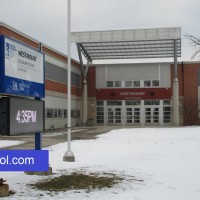

Westmount Secondary School

Westmount Secondary School is a multicultural school. The student population consists of a variety of religions and ethnicities. The school is also home to both Christian and Muslim prayer societies, each meeting occasionally to carry out religious tasks.

About Westmount Secondary School

Welcome to Westmount Secondary School

Westmount Secondary School is a public secondary school in Hamilton, Ontario, and a member of the Hamilton-Wentworth District School Board. The school provides secondary education for grades 9 through 12, with English as the language of instruction. It operates with a School Council composed of parents, staff, and community members. As a publicly funded institution, there is no tuition for students residing within the jurisdiction of the school board.

Principal: Kristen Armstrong

Since 1990, Westmount has operated under a self-directed learning program, also referred to as a self-paced environment. This model allows students to complete coursework at their own pace, enabling them to carry over unfinished courses into the next semester or accelerate their progress. The school also features a sports academy for students pursuing professional athletic development, as well as an Advanced Placement program, a gifted program, and a Media Arts and Animation program. The school utilizes a computer lab infrastructure that includes Macintosh systems.

Regarding admissions, the school currently maintains a waitlist and is not enrolling new students at this time. Prospective students for the Grade 9 cohort and grades 10–12 must follow the formal waitlist application process, which includes submitting a letter of intent or registration form along with the required academic documentation. Incomplete applications are not accepted. Transportation is the responsibility of the family and not provided for students attending Westmount.

Special Alumni:

Patrick McKenna, actor; Haydain Neale, musician; Wei Chen, host; Jim Witter, musician; Michael Simoncic, professional football player; Tony Peebles, musician; Paul Chafe, author/soldier; Bruce Boyko, professional football player; Allan Boyko, professional football player; Summer Mortimer, Paralympic swimmer and world record holder; Adam Clarke, musician; Evan Woods, musician; and Jeffery Croonen, professional football player.

School Visit Information:

When evaluating high school options, families are encouraged to plan visits to observe the school environment in action. Observing a school on a regular class day allows for an assessment of teacher-student interactions, classroom engagement, and the overall school climate.

Managing academic stress is an essential aspect of navigating the secondary school years, particularly within self-directed or rigorous academic environments. Students often benefit from establishing consistent routines that balance coursework with periods of rest and physical activity. Encouraging open communication between students, educators, and families can help identify early signs of overwhelm, allowing for the proactive adjustment of workloads or the utilization of school-based support services. Developing effective time-management habits, such as breaking larger assignments into smaller, achievable goals, can also reduce anxiety and foster a greater sense of autonomy. By focusing on steady progress and maintaining a healthy perspective on academic outcomes, students are better equipped to handle the challenges of a fast-paced curriculum while prioritizing their overall well-being throughout their high school journey.

Strong partnerships between families and educational institutions play a vital role in supporting adolescent development and academic success throughout the high school years. When families and educators maintain consistent lines of dialogue, they create a unified support system that helps students navigate rigorous academic requirements and unique program structures, such as self-directed learning or specialized academies. Regular exchanges of information ensure that both home and school environments are aligned in addressing a student’s academic progress, emotional well-being, and future goals. This collaborative approach allows adults to identify and respond to challenges early, celebrate milestones, and guide teenagers as they develop independence and decision-making skills. Ultimately, an active connection between families and the school community fosters a transparent environment where students feel supported by a cohesive network throughout their secondary education.

Maintaining a balanced diet plays a foundational role in sustaining the concentration and cognitive endurance required for rigorous high school coursework. Proper nutrition provides the steady supply of energy needed for optimal brain function, helping teenagers stay focused during extended periods of independent study or complex problem-solving. Incorporating nutrient-dense foods, adequate hydration, and regular meal schedules can significantly influence mood stability, memory retention, and daily alertness. Families often find that encouraging wholesome dietary habits at home complements the mental demands of secondary education, ensuring that students have the physical resources necessary to navigate busy academic schedules, extracurricular commitments, and personal growth effectively throughout the school year.

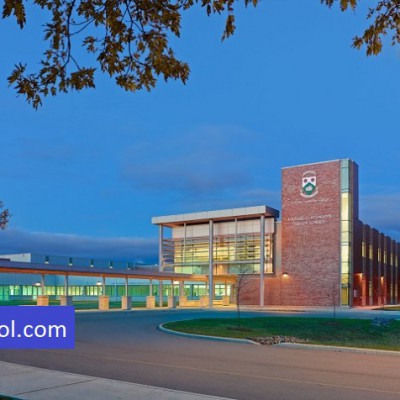
More information

Welcome to Westmount Secondary School

Westmount Secondary School is a public secondary school in Hamilton, Ontario, and a member of the Hamilton-Wentworth District School Board. The school provides secondary education for grades 9 through 12, with English as the language of instruction. It operates with a School Council composed of parents, staff, and community members. As a publicly funded institution, there is no tuition for students residing within the jurisdiction of the school board.

Principal: Kristen Armstrong

Since 1990, Westmount has operated under a self-directed learning program, also referred to as a self-paced environment. This model allows students to complete coursework at their own pace, enabling them to carry over unfinished courses into the next semester or accelerate their progress. The school also features a sports academy for students pursuing professional athletic development, as well as an Advanced Placement program, a gifted program, and a Media Arts and Animation program. The school utilizes a computer lab infrastructure that includes Macintosh systems.

Regarding admissions, the school currently maintains a waitlist and is not enrolling new students at this time. Prospective students for the Grade 9 cohort and grades 10–12 must follow the formal waitlist application process, which includes submitting a letter of intent or registration form along with the required academic documentation. Incomplete applications are not accepted. Transportation is the responsibility of the family and not provided for students attending Westmount.

Special Alumni:

Patrick McKenna, actor; Haydain Neale, musician; Wei Chen, host; Jim Witter, musician; Michael Simoncic, professional football player; Tony Peebles, musician; Paul Chafe, author/soldier; Bruce Boyko, professional football player; Allan Boyko, professional football player; Summer Mortimer, Paralympic swimmer and world record holder; Adam Clarke, musician; Evan Woods, musician; and Jeffery Croonen, professional football player.

School Visit Information:

When evaluating high school options, families are encouraged to plan visits to observe the school environment in action. Observing a school on a regular class day allows for an assessment of teacher-student interactions, classroom engagement, and the overall school climate.

Managing academic stress is an essential aspect of navigating the secondary school years, particularly within self-directed or rigorous academic environments. Students often benefit from establishing consistent routines that balance coursework with periods of rest and physical activity. Encouraging open communication between students, educators, and families can help identify early signs of overwhelm, allowing for the proactive adjustment of workloads or the utilization of school-based support services. Developing effective time-management habits, such as breaking larger assignments into smaller, achievable goals, can also reduce anxiety and foster a greater sense of autonomy. By focusing on steady progress and maintaining a healthy perspective on academic outcomes, students are better equipped to handle the challenges of a fast-paced curriculum while prioritizing their overall well-being throughout their high school journey.

Strong partnerships between families and educational institutions play a vital role in supporting adolescent development and academic success throughout the high school years. When families and educators maintain consistent lines of dialogue, they create a unified support system that helps students navigate rigorous academic requirements and unique program structures, such as self-directed learning or specialized academies. Regular exchanges of information ensure that both home and school environments are aligned in addressing a student’s academic progress, emotional well-being, and future goals. This collaborative approach allows adults to identify and respond to challenges early, celebrate milestones, and guide teenagers as they develop independence and decision-making skills. Ultimately, an active connection between families and the school community fosters a transparent environment where students feel supported by a cohesive network throughout their secondary education.

Maintaining a balanced diet plays a foundational role in sustaining the concentration and cognitive endurance required for rigorous high school coursework. Proper nutrition provides the steady supply of energy needed for optimal brain function, helping teenagers stay focused during extended periods of independent study or complex problem-solving. Incorporating nutrient-dense foods, adequate hydration, and regular meal schedules can significantly influence mood stability, memory retention, and daily alertness. Families often find that encouraging wholesome dietary habits at home complements the mental demands of secondary education, ensuring that students have the physical resources necessary to navigate busy academic schedules, extracurricular commitments, and personal growth effectively throughout the school year.

More information

Welcome to Westmount Secondary School

Westmount Secondary School is a public secondary school in Hamilton, Ontario, and a member of the Hamilton-Wentworth District School Board. The school provides secondary education for grades 9 through 12, with English as the language of instruction. It operates with a School Council composed of parents, staff, and community members. As a publicly funded institution, there is no tuition for students residing within the jurisdiction of the school board.

Principal: Kristen Armstrong

Since 1990, Westmount has operated under a self-directed learning program, also referred to as a self-paced environment. This model allows students to complete coursework at their own pace, enabling them to carry over unfinished courses into the next semester or accelerate their progress. The school also features a sports academy for students pursuing professional athletic development, as well as an Advanced Placement program, a gifted program, and a Media Arts and Animation program. The school utilizes a computer lab infrastructure that includes Macintosh systems.

Regarding admissions, the school currently maintains a waitlist and is not enrolling new students at this time. Prospective students for the Grade 9 cohort and grades 10–12 must follow the formal waitlist application process, which includes submitting a letter of intent or registration form along with the required academic documentation. Incomplete applications are not accepted. Transportation is the responsibility of the family and not provided for students attending Westmount.

Special Alumni:

Patrick McKenna, actor; Haydain Neale, musician; Wei Chen, host; Jim Witter, musician; Michael Simoncic, professional football player; Tony Peebles, musician; Paul Chafe, author/soldier; Bruce Boyko, professional football player; Allan Boyko, professional football player; Summer Mortimer, Paralympic swimmer and world record holder; Adam Clarke, musician; Evan Woods, musician; and Jeffery Croonen, professional football player.

School Visit Information:

When evaluating high school options, families are encouraged to plan visits to observe the school environment in action. Observing a school on a regular class day allows for an assessment of teacher-student interactions, classroom engagement, and the overall school climate.

Managing academic stress is an essential aspect of navigating the secondary school years, particularly within self-directed or rigorous academic environments. Students often benefit from establishing consistent routines that balance coursework with periods of rest and physical activity. Encouraging open communication between students, educators, and families can help identify early signs of overwhelm, allowing for the proactive adjustment of workloads or the utilization of school-based support services. Developing effective time-management habits, such as breaking larger assignments into smaller, achievable goals, can also reduce anxiety and foster a greater sense of autonomy. By focusing on steady progress and maintaining a healthy perspective on academic outcomes, students are better equipped to handle the challenges of a fast-paced curriculum while prioritizing their overall well-being throughout their high school journey.

Strong partnerships between families and educational institutions play a vital role in supporting adolescent development and academic success throughout the high school years. When families and educators maintain consistent lines of dialogue, they create a unified support system that helps students navigate rigorous academic requirements and unique program structures, such as self-directed learning or specialized academies. Regular exchanges of information ensure that both home and school environments are aligned in addressing a student’s academic progress, emotional well-being, and future goals. This collaborative approach allows adults to identify and respond to challenges early, celebrate milestones, and guide teenagers as they develop independence and decision-making skills. Ultimately, an active connection between families and the school community fosters a transparent environment where students feel supported by a cohesive network throughout their secondary education.

Maintaining a balanced diet plays a foundational role in sustaining the concentration and cognitive endurance required for rigorous high school coursework. Proper nutrition provides the steady supply of energy needed for optimal brain function, helping teenagers stay focused during extended periods of independent study or complex problem-solving. Incorporating nutrient-dense foods, adequate hydration, and regular meal schedules can significantly influence mood stability, memory retention, and daily alertness. Families often find that encouraging wholesome dietary habits at home complements the mental demands of secondary education, ensuring that students have the physical resources necessary to navigate busy academic schedules, extracurricular commitments, and personal growth effectively throughout the school year.


What do students and parents think about Westmount Secondary School?

Average rating: 2.0 / 5

2 reviews


Guest wrote on (2025-Apr-24) :

They don't have an AC or a school bus, and the people there are very racist.

Total:
Facilities:
Importance of Sports:
Importance of Arts:
Quality of teachers:
Atmosphere:

Guest wrote on (2025-Oct-13) :

School is insanely racist, teachers and principals have put hands on students and treated students with mental health issues like psychopaths. principal and vps are aware of the drug use within the school and yet to say anything or stop it, everything is really just swept under the rug. if you aren’t white , you aren’t “good enough” for this school. wouldn’t recommend if you deal with mental health issues or you’re a person of colour.

Total:
Facilities:
Importance of Sports:
Importance of Arts:
Quality of teachers:
Atmosphere:

Add your Review about Westmount Secondary School:

How do I contact Westmount Secondary School

Grades and Fields

Location

Share

Favorite

Search others

Report this school or content

Nearby Schools in Hamilton

Hillfield Strathallan College
Students: 1300 P-12 (Pre-school to Gr. 12)
Hillfield Strathallan College empowers students in academics, arts, athletics, and community leadership. Discover your passion and join our vibrant learning community today!
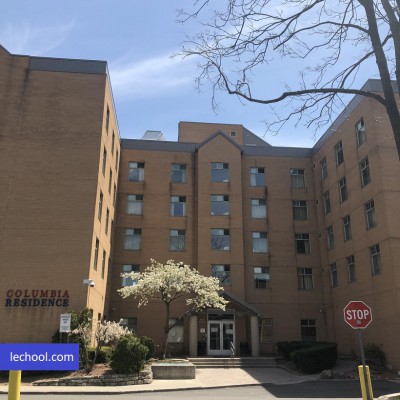
Columbia International College
Students: (Updating) (Secondry) High School
Discover Columbia International College in Hamilton, Ontario—welcoming students from 70+ countries with expert support and a caring community. Learn more today!
Westdale Secondary School
Students: 1700 (Secondry) High School
Westdale Secondary School is the most populated public high school in Hamilton, Ontario. Westdale Secondary School is also known as Westdale SS and founded in 1931. Westdale offers many programs befor...
Sherwood Secondary School
Students: 1050 (Secondry) High School
Hamilton-Wentworth District School Board opened Sherwood Secondary School in 1967, Many great people studied at Sherwood as you know this school is well-known at Hamilton, Ontario. On this web page, l...
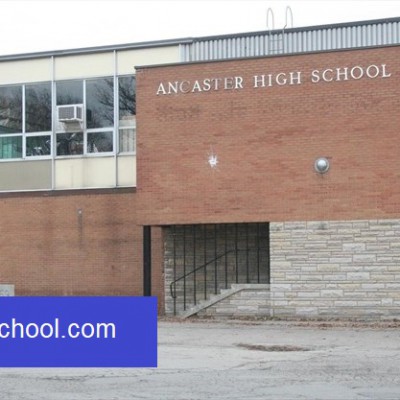
Ancaster High school
Students: 1200 (approximately) (Secondry) High School
Do you want to know more about Ancaster high school? you are at the right place, Ancaster high school is a member of the Hamilton-Wentworth District School Board.
Saltfleet District High School
Students: 1240 (Secondry) High School
Saltfleet District High School helps Grade 10 students excel in the OSSLT literacy test, a key step to earn an Ontario Secondary School Diploma. Learn more today!

Report school content

We use cookies to improve your experience on our site and to show you personalized advertising. To find out more, read our privacy policy.

Login or Signup