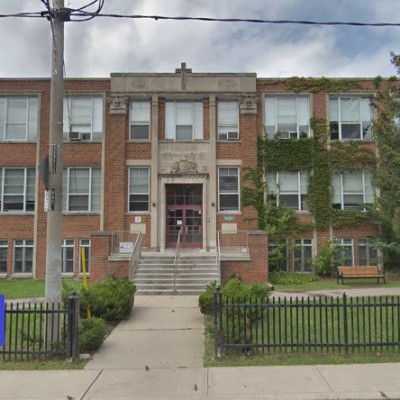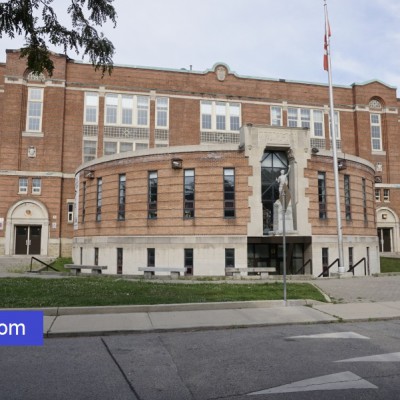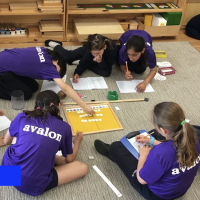
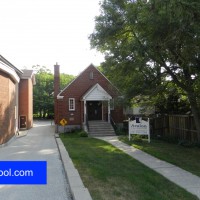
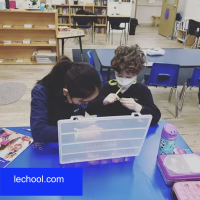
This independent Montessori school in Toronto offers a caring and enriching environment where children are inspired to learn at their own pace through hands-on experiences. Emphasizing respect, compassion, and self-motivation, the school encourages students to set personal goals while fostering their natural curiosity and love for discovery. As a co-educational, private institution, it uniquely blends traditional Montessori methods with a progressive curriculum, operating across two campuses in Toronto's East End (Wood Glen Campus and Beach Campus). Founded in 1999 and led by Sherry VanDerKooi, School Director, Elementary Principal, and Upper Elementary Directress, alongside active founder-led directors on campus daily, the school provides educational continuity from early childhood through to Grade 8.
🏫 Campus Life and Community Atmosphere
Established in 1999, the school has grown steadily to become a learning community celebrated for its warm, inclusive atmosphere. The campus supports intergenerational connections between toddlers and older students, a hallmark of the Montessori philosophy that enriches peer learning and social development. Small class sizes and Montessori-trained educators ensure that every child receives individualized attention, nurturing their independence while promoting cooperative group work and mutual respect. The school maintains consistent staff retention, with most teachers having been at Avalon for over 10 years.
Located in Toronto, the school reflects the diversity and values of the local community. Family engagement is encouraged, creating a supportive network where educators and parents collaborate closely to meet each child’s unique needs and interests. The school's mission is to provide a personalized experience where parents, students, and staff work hand in hand, following the Montessori philosophy to ensure each child is a valued individual guided by respect, understanding, and a shared commitment to their success.
📚 Academics Rooted in Montessori and Progressive Principles
With a curriculum grounded firmly in Montessori principles, students explore learning through tactile materials, a prepared environment, multi-age classrooms, and self-directed activities that promote critical thinking and problem-solving abilities. The structured programs include the Casa Program for ages 2.5 to 6, the Elementary Program for ages 6 to 12 (including Lower Elementary ages 6-9 and Upper Elementary ages 9-12), and the Middle School Program for Grades 7 and 8 (ages 12 to 14)—noting that Avalon was the first Montessori school in the Beach to offer a Middle School program. The school maintains a non-competitive environment without traditional letter grades or standardized tests in the Casa and Elementary programs.
Beyond early grades, the school integrates a progressive methodology aligned with the Ontario curriculum, adapting to the developmental stages of middle school students. This combination ensures that learners benefit from a structured academic framework while remaining engaged through inquiry-based projects and collaborative exploration. Teachers act as facilitators, equipping students with research skills and guiding them in articulating their ideas, findings, and solutions effectively.
💡 Specialized Programs and Student Support
The school offers a Learning Support Program for students in Grades 1 through 8, designed to address diverse learning needs and optimize academic performance. This customized support encourages confidence and growth, reinforcing the school’s commitment to supporting every learner’s potential.
Additional specialized offerings include a French Program, JUMP Math, a Health and Physical Education Program, and Arts Programs encompassing dance, visual art, music, and an annual spring theatre show. For families requiring extended hours, the school provides Before and After School Care, as well as a hot catered lunch program. Throughout all programs, emphasis is placed on social-emotional development and fostering a growth mindset.
📈 Admissions, Tuition, and Educational Background
Admissions involve scheduling a call or visiting at an open house, with spaces limited and registrations accepted for the school year. Every child is admitted on a trial period of one month. Tuition fees are detailed in the school's fee schedule available through the admissions process. The school is accredited by the Ontario Federation of Independent Schools (OFIS).
Over the years, this institution has earned recognition for academic integrity and a commitment to core Montessori values. Dedicated leadership and experienced faculty collaborate to refine curriculum delivery and enrich the classroom experience, ensuring that students meet provincial standards.
🔍 Why Choose This Montessori School in Toronto?
This school offers a combination of Montessori authenticity and a progressive secondary curriculum, making it an option for families seeking continuity and individualized education from toddler years through middle school. Its carefully designed learning environment prioritizes student agency, fostering independence and a natural thirst for knowledge.
With educators, enriching learning materials, and a nurturing community atmosphere, the school stands out as a hub for academic and holistic development in the Toronto area.
🌱 Summary: A Foundation for Lifelong Learning and Growth
Rooted in Montessori philosophy yet responsive to modern educational demands, this school provides a stimulating and supportive setting where children thrive cognitively, socially, and emotionally. Through its integrated curriculum and individualized support, it equips students with the skills, confidence, and enthusiasm to succeed both inside and outside the classroom. For families seeking a balanced, community-oriented school experience in Toronto, this institution offers a pathway to developing self-reliant, compassionate, and curious learners.
Within this educational framework, developing critical thinking is essential as students transition from absorbing information to actively analyzing, questioning, and synthesizing concepts across various subjects. Rather than simply memorizing facts, learners are encouraged to evaluate different perspectives, test hypotheses through hands-on inquiry, and arrive at well-reasoned conclusions independently. This analytical mindset allows children to approach complex problems with flexibility and resourcefulness, laying a strong foundation for future academic studies and everyday decision-making. By cultivating the ability to think deeply and independently, educational programs help students navigate a dynamic world with confidence, intellectual curiosity, and a capacity for adaptability.
Supporting children through academic challenges involves recognizing that healthy stress management relies heavily on establishing balanced routines, open communication, and realistic expectations. When students encounter rigorous coursework or transitions between developmental stages, encouraging consistent sleep schedules, regular physical activity, and adequate downtime helps maintain their emotional well-being and cognitive focus. Educators and families can collaborate to promote a growth mindset, framing mistakes and obstacles as natural parts of the learning process rather than sources of anxiety. By teaching children practical coping strategies such as breaking larger projects into manageable steps, practicing deep breathing exercises, and prioritizing tasks thoughtfully, support systems help students build lasting resilience. Fostering an environment where children feel comfortable discussing their academic concerns without fear of judgment ensures they develop the confidence needed to navigate pressures constructively throughout their educational journey.